




Heavy Wooden Coffer
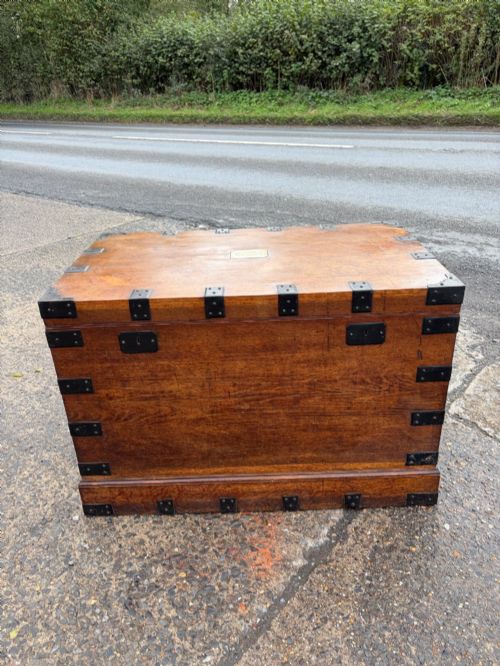
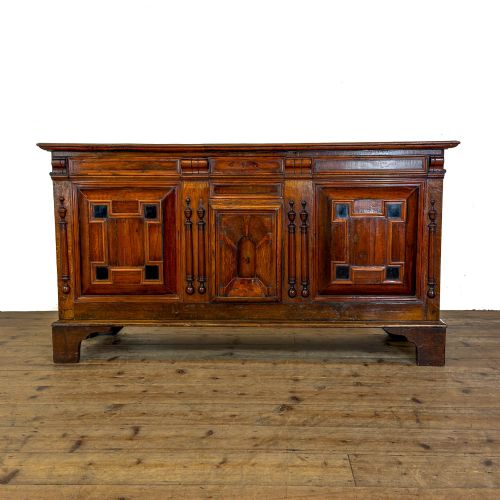
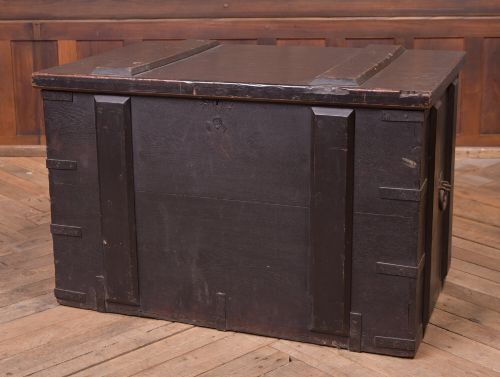
These heavy wooden coffer pieces offer robust storage built from sturdy timbers and metal bindings, serving as practical focal points for any room.
Heavy Wooden Coffer
A heavy wooden coffer functions primarily as a substantial storage chest, often reinforced with metal bands for security and travel. Buyers seeking these items will find sturdy repositories designed for blankets, silver, or travel.
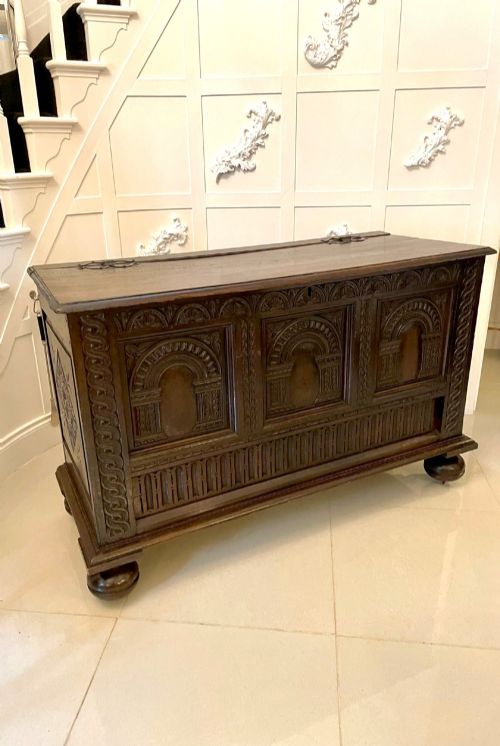
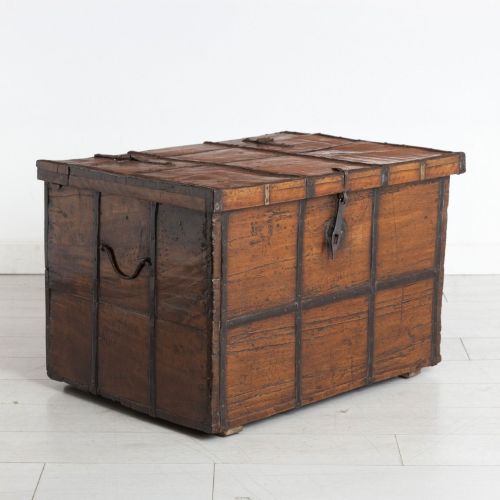
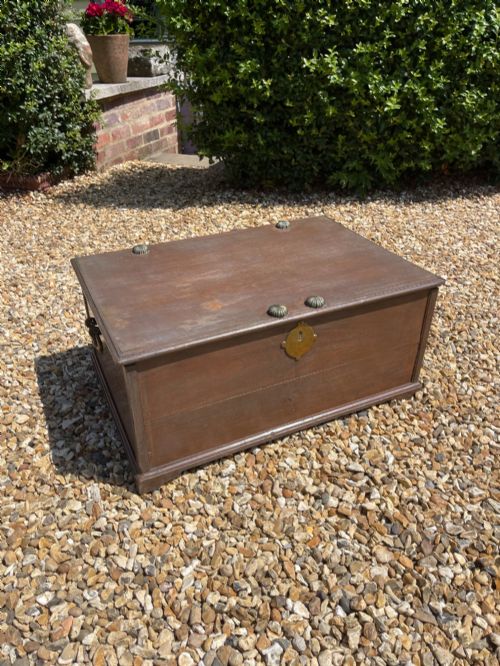
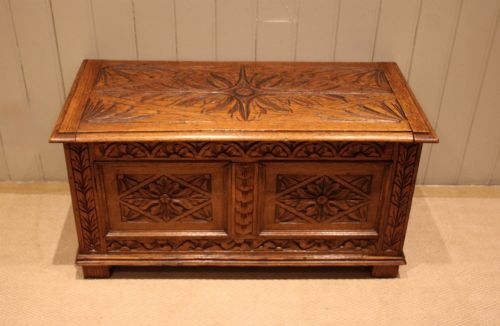
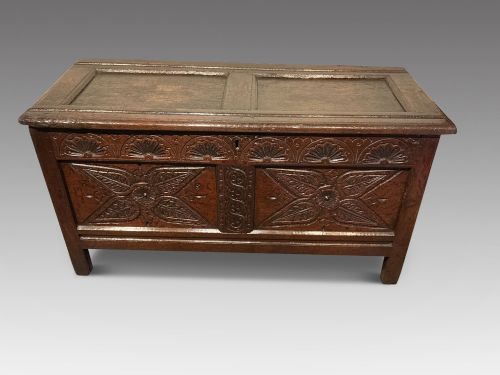
The selections available range from early carved oak examples originating in the sixteenth and seventeenth centuries to nineteenth-century teak, pine, and camphor trunks with colonial or military origins. Oak and teak dominate the selection, frequently paired with iron or brass hardware.
Forms span from dowry chests and silver boxes to campaign trunks and blanket boxes. These utilitarian objects bridge domestic storage and travel utility.
How they were made
Construction relies on solid timbers such as oak, teak, pine, and camphor, jointed to withstand heavy use and transport. Woodworkers utilised panels, dovetails, and pegged joints to build durable carcass structures.
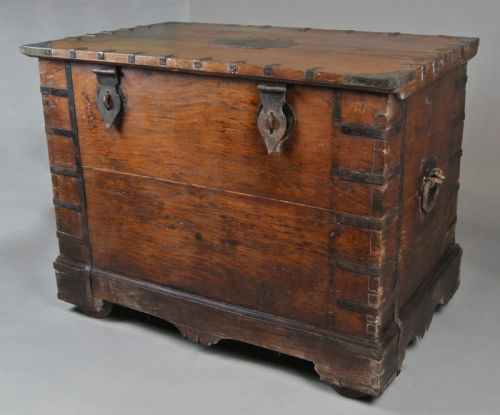
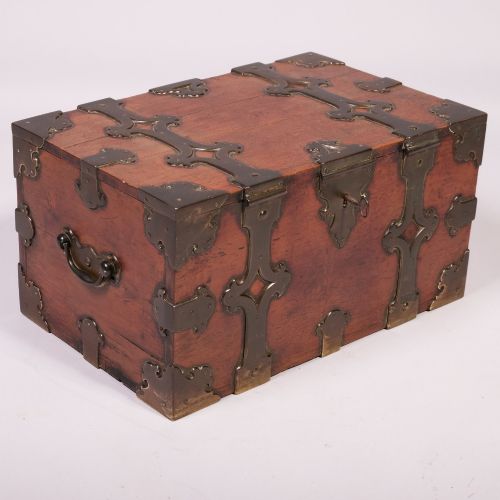
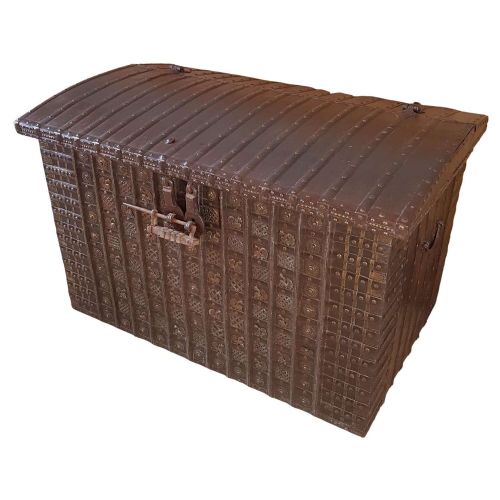
Metal reinforcement defines many examples, utilising iron bands, brass mounts, and steel straps fastened with rivets or studs. These metal additions protected corners and edges during transit while securing the lids.
Heavy Wooden Coffer Retail Price Guide 2026
Typical asking prices for heavy wooden coffer among the pieces listed under this phrase on Sellingantiques today, from the lower quarter to the upper quarter. They describe what is for sale here now, not the wider market.
A French elm cannonball box survives with its original carrying hoops intact.
What varies in quality
Quality differentiates itself through the selection of timber and the complexity of the hardware. Dense hardwoods like teak and mature oak combined with hand-forged iron or brass bindings represent superior construction.
The integrity of original hinges, locks, and handles elevates a piece, as does the presence of hand-carved detail on panels. Simpler utility trunks rely purely on sturdy joinery and functional metal straps rather than decorative carving.
H D Dean
The Heavy Wooden Coffer Glossary
- Coffer
- A large wooden chest used for storing valuables, linen, or documents. They often feature hinged lids and sturdy construction.
- Campaign chest
- A modular trunk or chest designed for military officers on the move, typically fitted with brass corners and recessed handles.
- Dowry chest
- A traditional trunk made to hold household goods and possessions accumulated for a wedding. These often display regional decorative styles and robust hardware.
- Silver chest
- A specialised storage box lined to protect silver tableware, usually constructed from oak with substantial iron or steel bindings.
- Camphor wood
- An aromatic timber frequently utilised for travel trunks due to its natural insect-repellent properties.
Heavy Wooden Coffer: Frequently Asked Questions
What were heavy wooden coffers used for?
These pieces served as secure containers for transporting and storing high-value possessions, including silver, linen, and personal documents. Their robust construction protected contents from moisture, theft, and rough handling during travel.
In domestic settings, they doubled as furniture surfaces, providing seating or table space while keeping bulky household items out of sight.
How do I care for a wooden coffer?
Maintain the timber by keeping it away from direct heat sources and sudden humidity changes to prevent splitting. Dust regularly with a dry cloth and apply occasional appropriate wax to nourish older wood.
Inspect metal bindings periodically to ensure iron or brass components remain stable and clean.
Where were campaign chests used?
Military officers utilised campaign chests during active service and travel across the British Empire and beyond. Their sectional design and protective brass hardware allowed them to withstand frequent loading onto ships and carriages.
These pieces were built to function as temporary furniture and storage in campaign tents or quarters.
How can I distinguish period styles?
Early examples from the sixteenth and seventeenth centuries frequently display hand-carved oak panels and pegged joinery. Later nineteenth-century pieces often incorporate iron bands, brass flush handles, and exotic woods like teak or camphor.
Examining the construction methods and hardware types helps clarify the era of manufacture.