

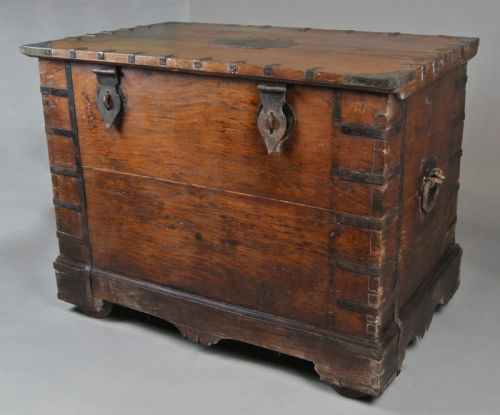
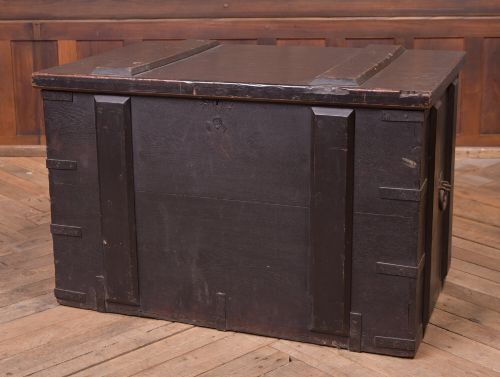
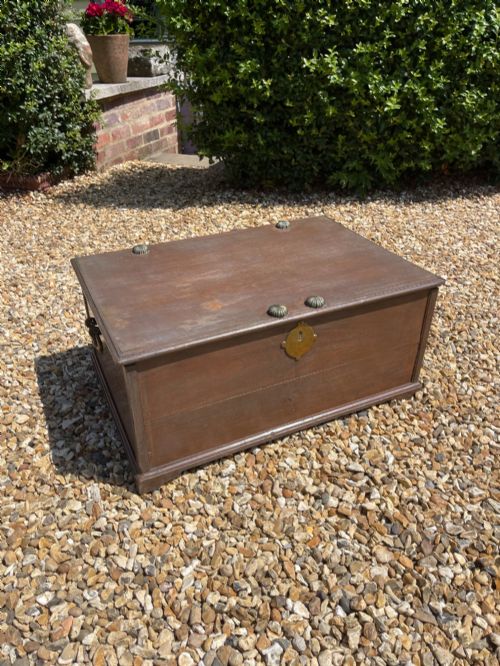


Heavy Teak Storage Box
These heavy teak storage box pieces are sturdy timber trunks and chests built to endure travel, offering robust utility and timeless character.
Heavy Teak Storage Box
A heavy teak storage box takes the form of trunks, coffers, and blanket chests originating from the nineteenth century. These items span Victorian, colonial, and traditional Indian styles designed for practical storage and transit.
Buyers will encounter various regional interpretations on this page, including Anglo-Indian and Zanzibar chests alongside English craftsman trunks. Their substantial forms serve as functional furniture for modern homes.
The primary materials combine dense timber with metal reinforcements, creating substantial vessels intended to secure valuables or garments. Each piece reflects the utilitarian demands of its period.
How they were made
Construction relies heavily on dense teak and mixed hardwood panels assembled to withstand long journeys and demanding climates. Artisans reinforced these wooden bodies using structural iron bands and corner plates.
Many examples incorporate brass strapping, studs, and wrought iron fastenings to secure the lid and corners. These metal additions provide both structural rigidity and decorative contrast against the dark timber.
Heavy Teak Storage Box Retail Price Guide 2026
Typical asking prices for heavy teak storage box among the pieces listed under this phrase on Sellingantiques today, from the lower quarter to the upper quarter. They describe what is for sale here now, not the wider market.
Materials recorded across the inventory include teak, hardwood, iron, wrought iron, and brass.
What varies in quality
Quality rests in the heaviness of the timber and the complexity of the metalwork, distinguishing utilitarian tool chests from elaborate dowry trunks. Denser hardwood construction and intricate brass studding indicate higher craftsmanship.
The integrity of the iron bindings and the retention of original fittings dictate the overall standard of each piece. Superior examples display careful integration of metal mounts directly into the solid wood structure.
The Heavy Teak Storage Box Glossary
- Teak
- A durable tropical hardwood known for its dense grain and resistance to moisture. It forms the primary body of these storage chests.
- Cofer
- A traditional term for a strong box or chest used for safekeeping valuables. These sturdy containers often feature iron reinforcement.
- Dowry chest
- A large storage box traditionally created to hold household goods and valuables for a marriage. Examples from the nineteenth century display monumental proportions.
- Strapwork
- Metal bands applied across the exterior of a trunk to reinforce the wooden construction. Iron and brass straps are typical of colonial storage pieces.
Heavy Teak Storage Box: Frequently Asked Questions
What were heavy teak storage boxes used for?
These robust containers served primarily for transporting personal belongings, garments, and valuables during long journeys. Their sturdy construction protected contents from moisture and rough handling.
Over time, many transitioned into domestic storage for blankets, tools, or household goods, remaining practical furniture pieces today.
How do I date a teak storage chest?
Dating relies on examining the construction methods, the style of the metal mounts, and recorded periods such as the nineteenth century or Victorian era. Regional design traits also offer clues to the origin.
Changes in hardware, from wrought iron bands to decorative brass studding, help distinguish earlier eighteenth-century examples from mid-nineteenth-century items.
Where were these chests made?
The listed items originate from various regions influenced by colonial trade, including India, Africa, and England. Anglo-Indian and Zanzibar pieces reflect distinct regional craftsmanship.
Local workshops utilised native hardwoods and traditional metalworking techniques to build trunks suited for both local use and maritime transport.
How should I care for a teak chest?
Maintaining these timber pieces involves keeping them away from direct heat sources and sudden humidity changes to protect the wood and metal bindings. Regular dusting preserves the surface finish.
Applying appropriate wax occasionally helps nourish the hardwood without harming original iron or brass hardware components.