

Heavy Sterling Silver
Heavy sterling silver designates substantial items forged from precious metal, offering buyers durable tableware, chains, and vessels spanning centuries of British and international silversmithing.
Heavy Sterling Silver
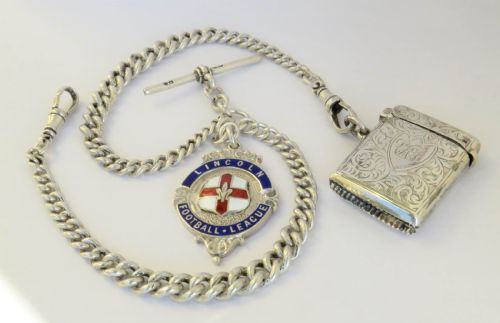
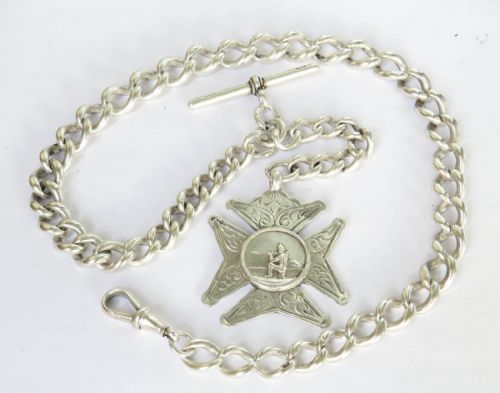
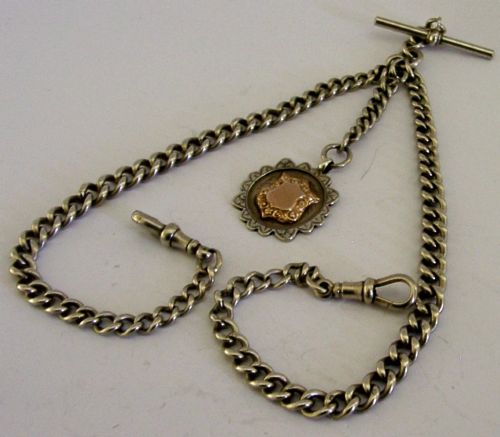
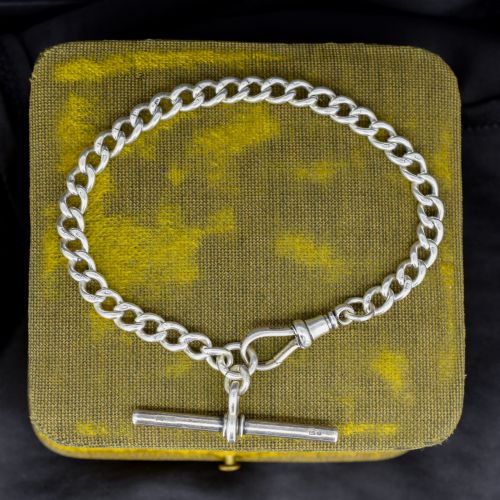
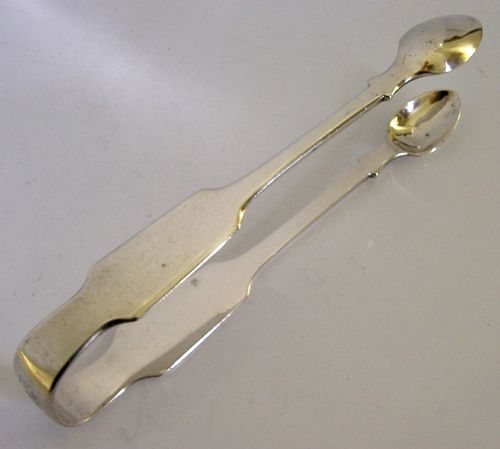
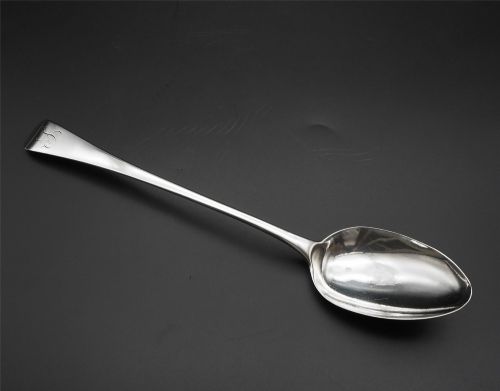
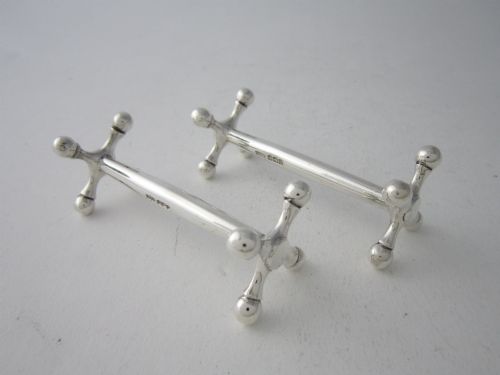
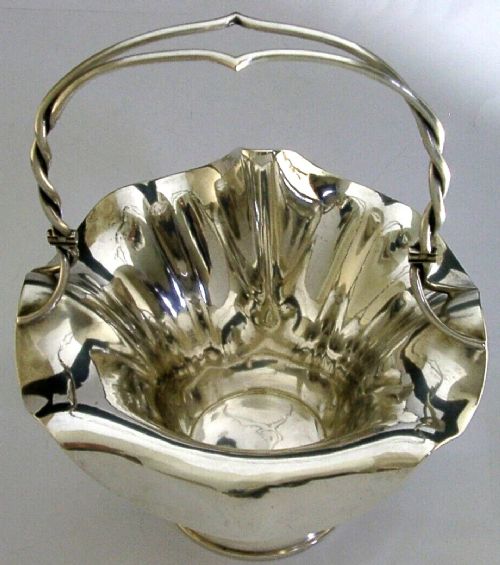
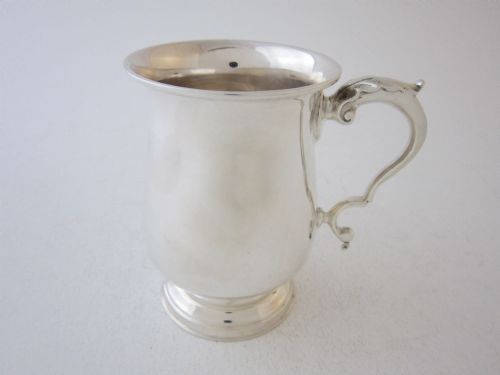
When searching for heavy sterling silver, buyers encounter a diverse array of utilitarian and decorative objects, predominantly watch chains, bowls, napkin rings, and spoons. These pieces date from the Victorian, Edwardian, and Art Deco eras, alongside earlier Georgian examples and mid-twentieth-century designs.
Origins span provincial and metropolitan assay offices, with items bearing hallmarks from London, Chester, Dublin, and Glasgow. Stylistic influences shift from ornate Gothic Revival and Victorian floral motifs to the geometric austerity of the Art Deco period.
Methods and materials
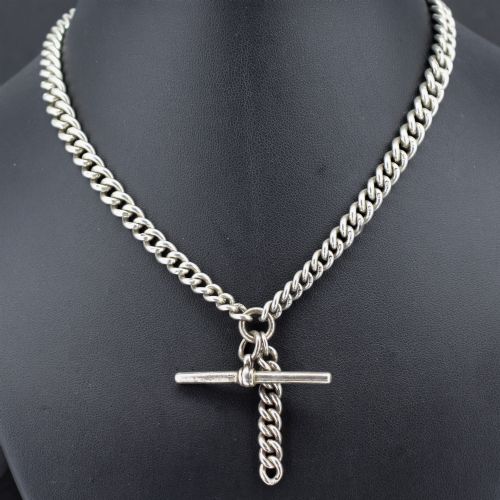
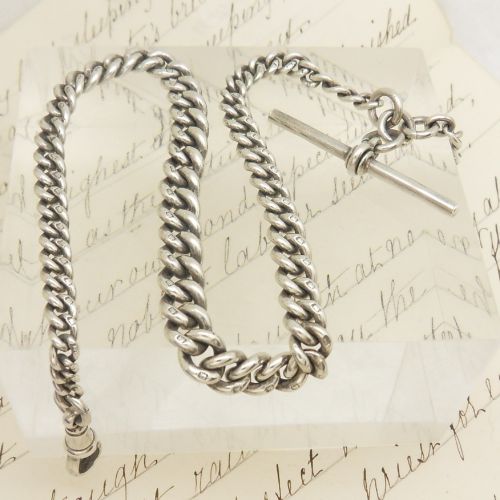
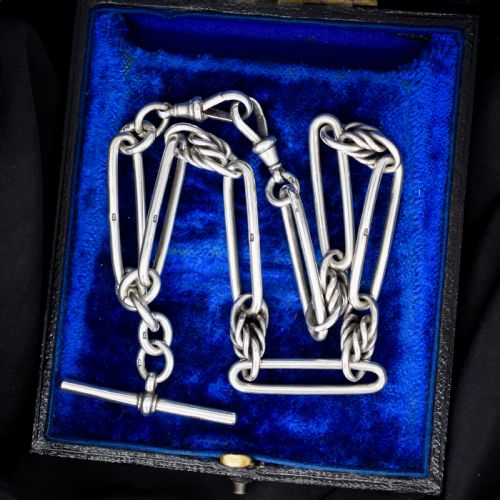
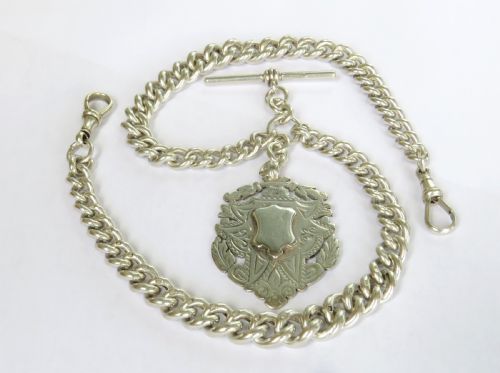
Silversmiths utilised solid sterling silver, alongside occasional applications of gold vermeil, enamel, and glass components. Construction methods combined hand-hammering, casting, and intricate link assembly, particularly visible in curb, trombone, and fancy link watch chains.
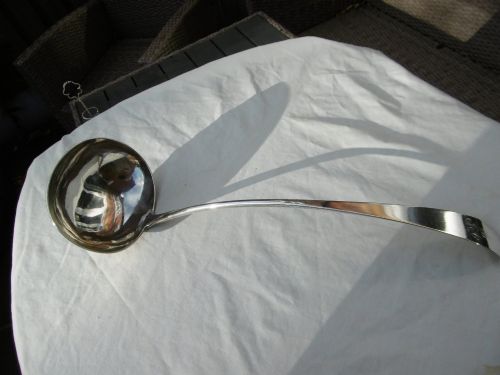
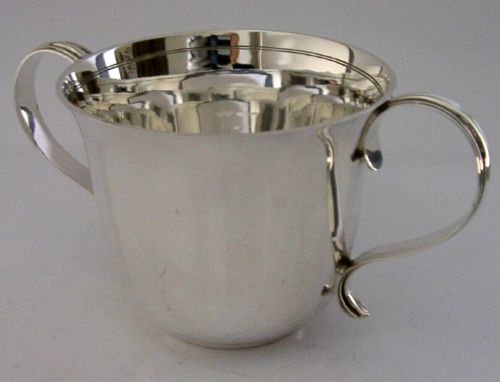
Larger vessels such as bowls, porringers, and soup ladles demanded heavy-gauge sheet metal shaped by raising and sinking techniques, complemented by cast handles and applied decorative borders. Hallmarks stamped directly into the metal record the assay office, date letter, and maker's mark.
Heavy Sterling Silver Retail Price Guide 2026
Typical asking prices for heavy sterling silver among the pieces listed under this phrase on Sellingantiques today, from the lower quarter to the upper quarter. They describe what is for sale here now, not the wider market.
Several watch chains retain their original dog clips, ready to secure pocket watches that vanished generations ago.
Evaluating distinction
Distinction in heavy sterling silver rests upon the integrity of the maker's mark, the clarity of the assay stamps, and the weight of the metal relative to the object's form. Substantial weight in functional items like napkin rings, spoons, and watch chains indicates superior material investment by the silversmith.
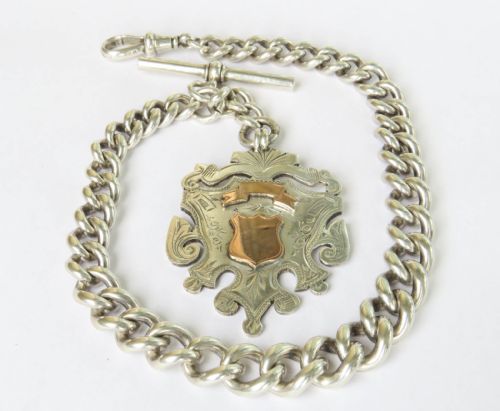
Artistry in construction distinguishes standard utility wares from exceptional pieces, demonstrated by crisp chasing on bowls, secure link connections on watch chains, and the survival of original components such as dog clips, t-bars, and fobs.
Milne and Campbell·Joseph Rodgers
The Heavy Sterling Silver Glossary
- Sterling silver
- An alloy containing 92.5 percent silver and 7.5 percent other metals, usually copper, chosen for durability.
- Hallmark
- A series of official marks stamped on precious metal items indicating standard, assay office, and year of testing.
- Albert chain
- A pocket watch chain attached to a waistcoat, comprising curb or fancy links designed to hold a t-bar and fob.
- Dog clip
- A spring-loaded swivel clasp used on watch chains to secure pocket watches, pendants, or charms.
- Porringer
- A small, shallow bowl with one or two flat horizontal handles, used historically for porridges or broths.
Heavy Sterling Silver: Frequently Asked Questions
How do I wear an antique silver watch chain?
Antique watch chains, often termed alberts, feature a t-bar designed to pass through a waistcoat buttonhole while the chain drapes across the front. Modern wearers frequently detach the t-bar and fasten the dog clips together to wear the piece as a necklace.
These chains vary in length from compact wrist-wraps to longer neck chains. The inclusion of original fobs or lockets adds decorative weight to the drape.
What does a sterling silver hallmark tell me?
Hallmarks provide a verifiable record of a silver object's provenance, detailing the specific alloy standard, the assay office responsible for testing, and the exact year of manufacture. Additional marks often include the maker's stamp and duty marks from specific reigns.
Reading these small punches allows collectors to date pieces precisely. British hallmarks changed yearly, offering reliable chronological markers.
How should I clean heavy silver items?
Maintenance requires gentle washing in warm, soapy water using a soft cloth, followed by thorough drying to prevent water spots. Abrasive polishes remove microscopic layers of metal and should be used sparingly.
For pieces with intricate chasing or deep links, a soft-bristled brush helps clear away accumulated residue. Proper storage in tarnish-resistant cloth preserves the surface finish.