


Heavy Oak Wall Mirror
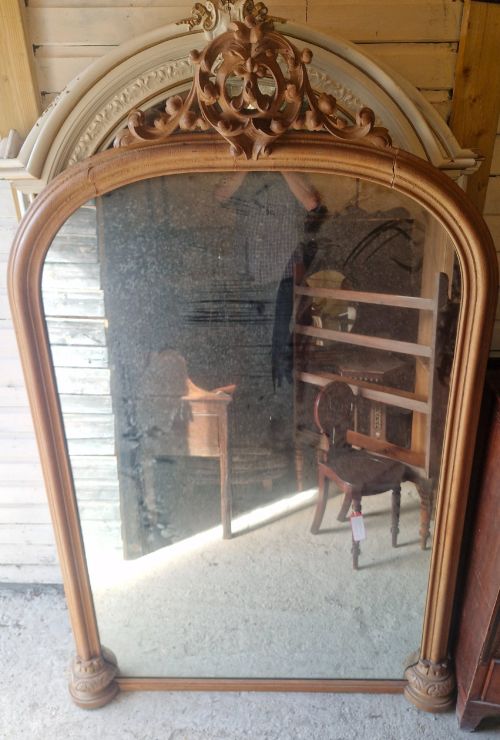
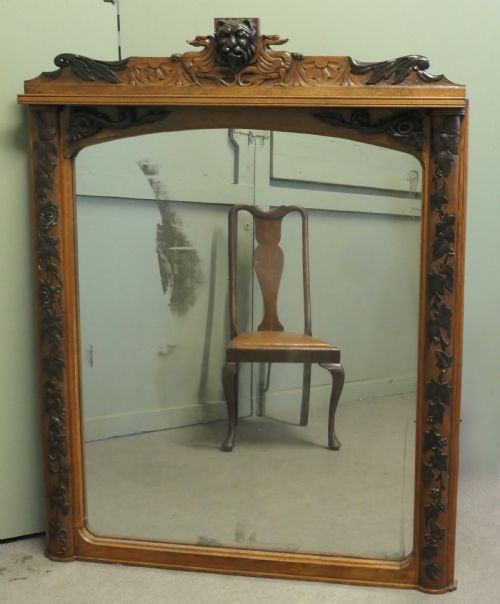
A heavy oak wall mirror brings substantial presence and rich timber grain to a room, anchoring the wall with solid nineteenth and early twentieth century character.
Heavy Oak Wall Mirror
When you search for a heavy oak wall mirror, you encounter substantial timber frames built during the Victorian, Edwardian, and early twentieth century periods. These pieces serve as functional wall mirrors or larger overmantel mirrors designed to hold significant visual weight in a room.
The versions you meet most frequently on this page span the nineteenth century up to the 1920s. They range from simple cushion frames to elaborately carved Renaissance Revival and Victorian Gothic designs that make a definitive statement in an interior.
How they were made
Cabinetmakers constructed these frames using solid oak, frequently applying deep hand-carving to create rich ornamentation around the glass plate. Some examples incorporate brass mounts or fitted brass elements directly into the heavy timber structure for added contrast.
Glazing typically involves original bevel-edged glass plates secured within thick wooden rebates. Makers utilised traditional joinery methods to support the immense weight of both the dense timber and the large glass inserts.
Listings span from 1860 Victorian Gothic Revival pieces to 1920 Jacobean style dark oak hanging mirrors.
What varies in quality
The distinction between ordinary and exceptional examples rests in the depth and precision of the timber carving. Superior frames display crisp, intricate hand-tooled details rather than shallow, mechanical shaping.
Quality also resides in the integrity of the glass plate and the framing materials. Original bevel-edged glass with authentic age characteristics elevates a piece far above one fitted with modern replacement glazing.
The Heavy Oak Wall Mirror Glossary
- Overmantel mirror
- A large wall mirror specifically designed to hang on the wall directly above a fireplace mantelpiece. These pieces frequently feature substantial proportions to balance the hearth below.
- Cushion frame
- A framing style where the timber profile swells outward in a convex curve toward the outer edge. This design creates a softer, padded visual effect around the central glass plate.
- Bevel edge
- A glass plate edge ground and polished at an angled slope to catch the light. This traditional technique adds a refined decorative border to the reflection.
- Renaissance Revival
- A nineteenth century design movement drawing inspiration from sixteenth century classical architecture and ornament. Pieces in this style exhibit bold architectural moulding and robust relief carvings.
Heavy Oak Wall Mirror: Frequently Asked Questions
Where should I hang a heavy oak wall mirror?
These large mirrors perform best on a blank chimney breast or a principal living room wall where their substantial timber frames can anchor the surrounding space. Ensure the hanging fixings secure directly into structural wall studs to safely support the considerable weight.
Position the mirror at a height that reflects natural light from windows rather than blank ceilings. This placement maximises the reflective capacity while balancing the heavy visual mass of the oak frame within the room.
How do I date a heavy oak wall mirror?
Dating relies on examining the timber preparation, carving style, and the construction of the frame backing. Victorian and nineteenth century examples often display hand-sawn board marks and deeper, more robust joinery than later twentieth century pieces.
Stylistic cues like Gothic Revival motifs or Renaissance Revival cartouches point directly to specific nineteenth century decades. Inspecting the glass plate for original bevels and silvering deterioration also provides clues to the age of the piece.
What is a brasserie mirror?
A brasserie mirror is a commercial-style looking glass traditionally used in French cafes and bistros, often featuring a heavy wooden frame accented with brass. These pieces were built to withstand busy public environments while adding reflected light and space to the interior.
On this page, variants combine robust oak with brass elements and original glass plates to replicate that characteristic Continental tavern aesthetic. They bring an industrial warmth distinct from domestic Victorian overmantels.