





Heavy Oak Stand
A heavy oak stand anchors a room through sheer density and utility, offering sturdy support for display or daily service.
Heavy Oak Stand
A heavy oak stand encompasses utilitarian furniture and display pieces built from solid timber, ranging from hall stands to artists' studio easels and butchers' blocks. When you search for a heavy oak stand, you encounter substantial furnishings designed to bear significant weight and endure decades of practical use.
The pieces appearing on this page date predominantly from the nineteenth and early twentieth centuries, spanning Victorian, Edwardian, and Arts and Crafts aesthetics. Common forms include carved hall stands, revolving or adjustable display pedestals, studio easels, and kitchen islands.
Regional variations lean toward British country house traditions alongside French Renaissance Revival and Flemish carving styles. A buyer typically meets either a monumental hall stand fitted with coat hooks and umbrella wells or a robust pedestal designed to elevate sculpture and heavy ceramics.
How they were made
Construction relies upon dense quarter-sawn and plain-sawn oak timber, frequently augmented with cast iron brackets, brass hooks, and mechanical winding gear for adjustable studio easels. Joinery employs traditional methods such as mortise and tenon frames, heavy doweling, and deep hand-carving across structural panels.
Surfaces receive varying treatments, from dark wax polishes highlighting the natural medullary rays of the wood to painted finishes and turned spiral pillars. Metal components utilise heavy cast iron for structural stability or brass for fittings, combined occasionally with leather, glass, and butchers' block maple or hardwood tops.
Heavy Oak Stand Retail Price Guide 2026
Typical asking prices for heavy oak stand among the pieces listed under this phrase on Sellingantiques today, from the lower quarter to the upper quarter. They describe what is for sale here now, not the wider market.
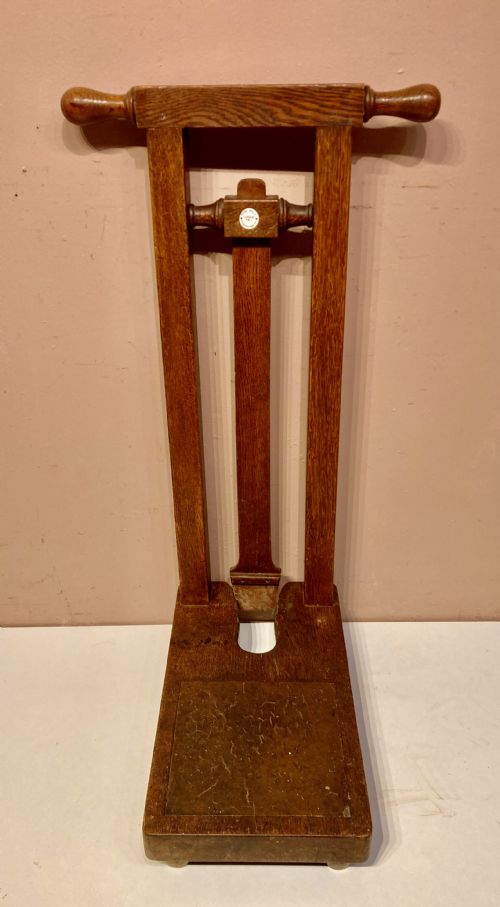
Tom Hill carved his boot jacks with enough stubborn weight to outlast generations of muddy boots.
What varies in quality
Quality rests upon the depth and crispness of the hand-carving, the structural integrity of the timber, and the complexity of integrated mechanics such as studio easel winches or adjustable brackets. Superior examples display thick, unwarped oak planks joined with precision, whereas simpler iterations rely on straightforward turned columns and minimal ornament.
The proportion and scale dictate desirability, with monumental hall stands and double-sided gallery easels commanding attention through architectural presence. Original hardware, intact brass fittings, and uncompromised structural density separate utilitarian workshop items from grand reception room furniture.
Tom Hill·Windsor and Newton
The Heavy Oak Stand Glossary
- Hall stand
- A piece of hallway furniture designed for hanging coats, storing umbrellas, and occasionally housing hats or walking sticks. It often incorporates a central mirror and a small glove drawer above a drip tray.
- Studio easel
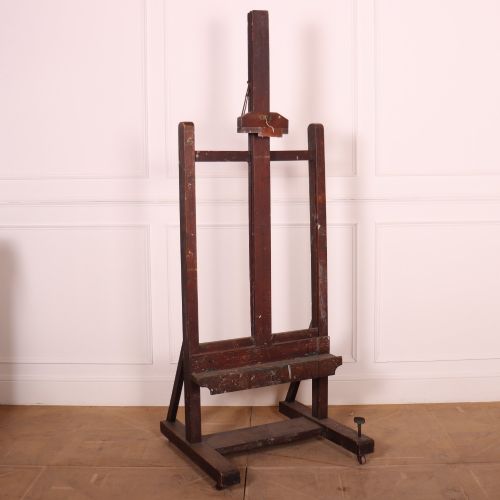
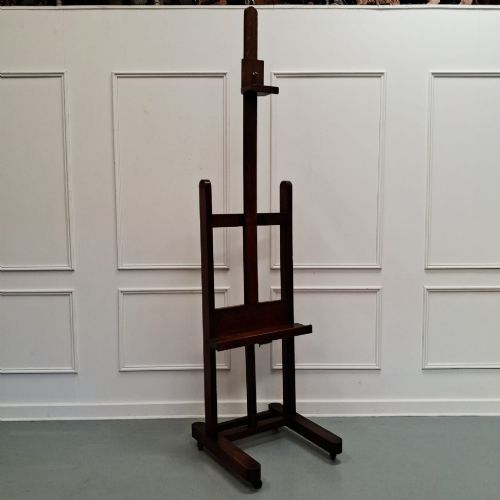
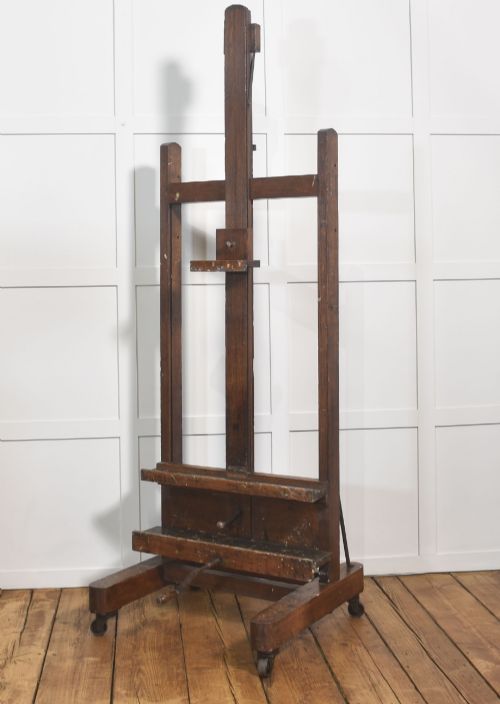
- A heavy wooden apparatus utilised by artists to support large canvases during painting. Many historical versions feature winding mechanisms and adjustable pegs to alter the height and angle of the work.
- Spiral pillar
- A turned wooden column carved in a helical twist, frequently seen on Victorian pedestals and hall stands. This decorative turning technique reflects seventeenth-century revival tastes popular in British and Flemish cabinetmaking.
- Butchers block
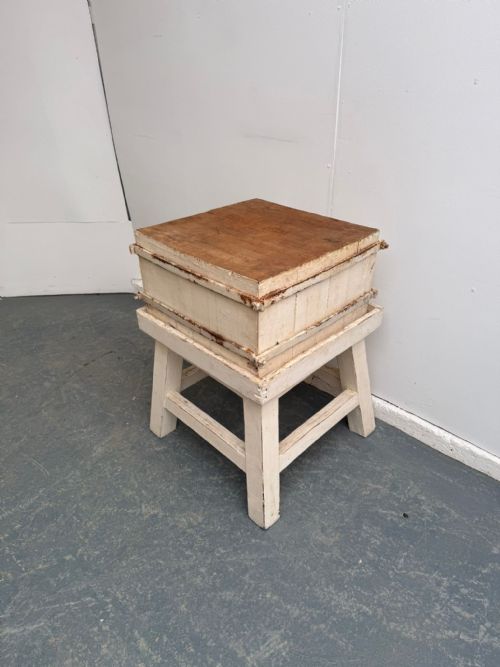
- A thick wooden cutting surface mounted on a robust stand, traditionally employed for meat preparation. These items utilise dense end-grain or edge-grain hardwood to withstand heavy chopping.
- Display pedestal
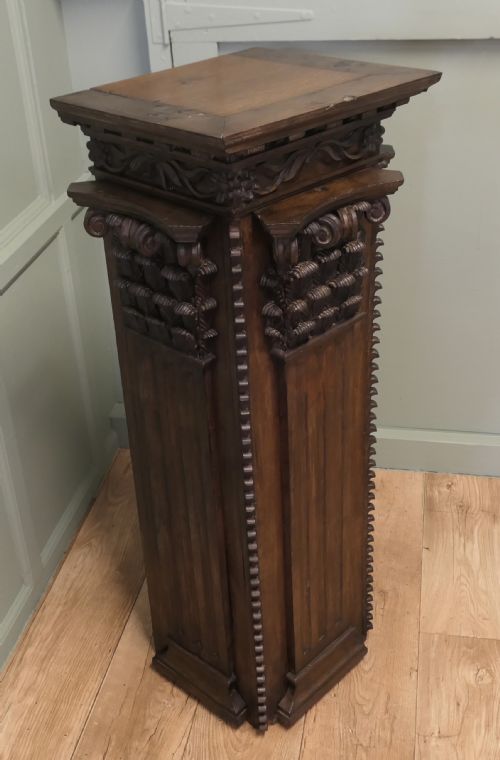
- A tall, freestanding column or plinth used to elevate sculptures, vases, or urns. They feature flat tops and solid bases to ensure stability for heavy art objects.
Heavy Oak Stand: Frequently Asked Questions
What rooms suit a heavy oak hall stand?
These large hall stands serve entryways and spacious hallways by providing immediate storage for coats, hats, and walking sticks.
Their monumental proportions require generous floor space and high ceilings to balance their heavy architectural presence.
How do studio easels function today?
Historic studio easels operate using hand-cranked winches, ratchets, and peg systems to raise and lower heavy canvases.
Beyond working artist studios, collectors use them to display large paintings or heavy framed mirrors in domestic settings.
Are pedestals strong enough for heavy sculpture?
Solid oak pedestals and columns are engineered from dense timber and heavy bases specifically to bear substantial weight.
They safely support heavy marble busts, bronze figures, and large ceramic vases without tipping or wobbling.
How do you date a Victorian oak stand?
Dating relies upon examining the joinery methods, tool marks on the timber, and stylistic revival influences such as Flemish or Gothic carving.
Hardware components, brass hooks, and the type of finish applied to the oak also indicate the manufacturing era.