



Heavy Metal Vessel
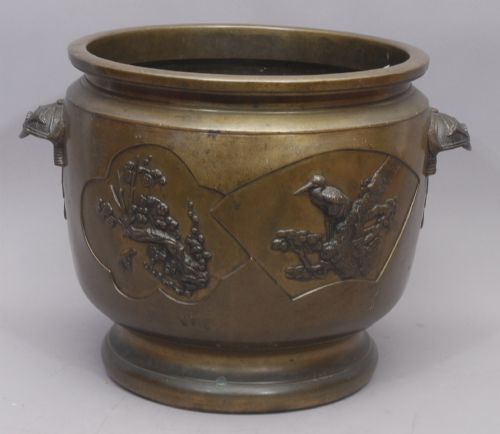
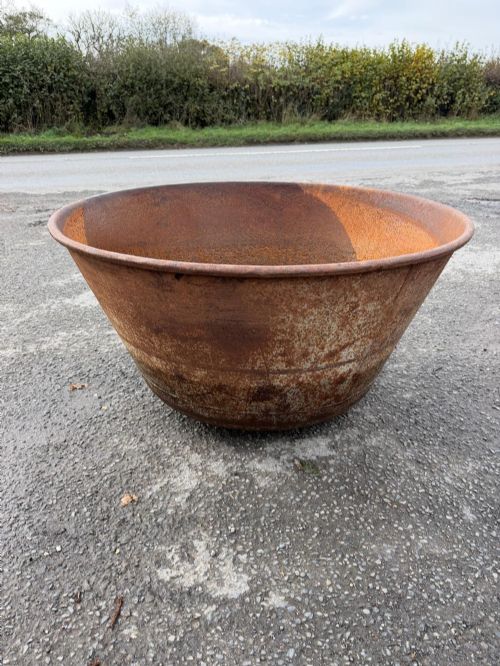
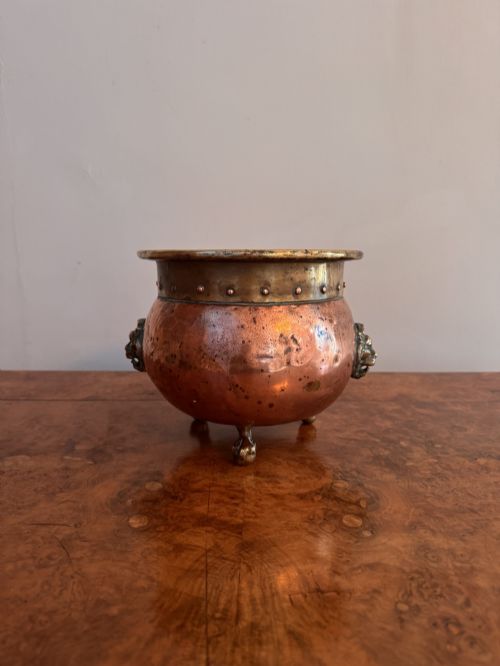
When you search for a heavy metal vessel, you enter a domain of substantial bronze, copper, and iron objects forged for ritual, kitchen, or display.
Heavy Metal Vessel
A heavy metal vessel encompasses objects built from copper, bronze, brass, and iron that carry significant physical weight. When exploring this selection, a buyer encounters utilitarian items alongside ceremonial pieces.
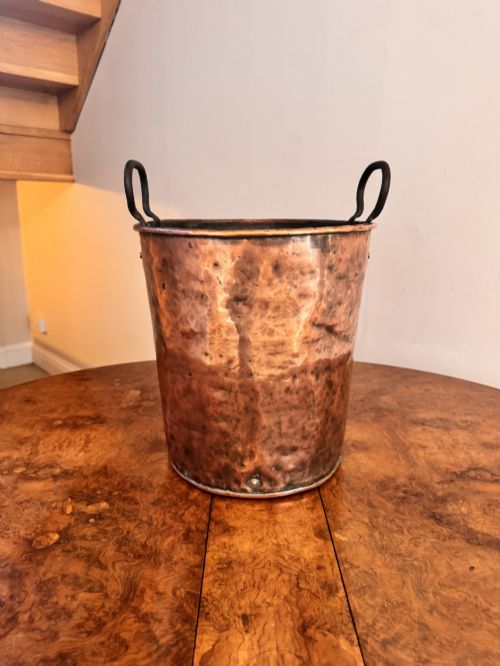
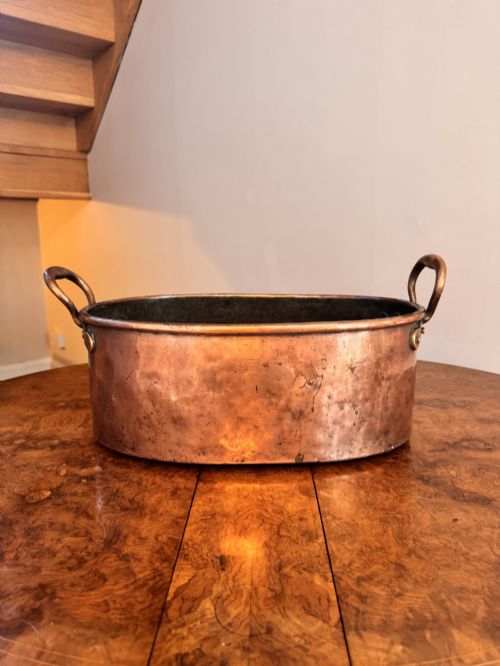
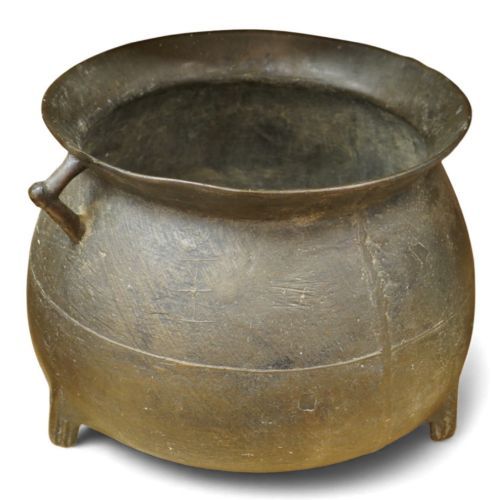
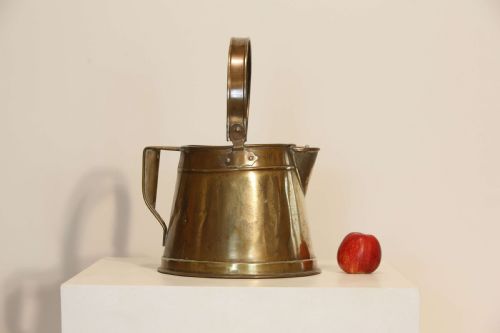
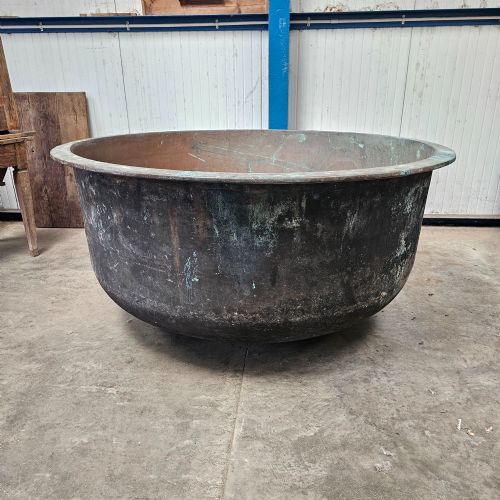
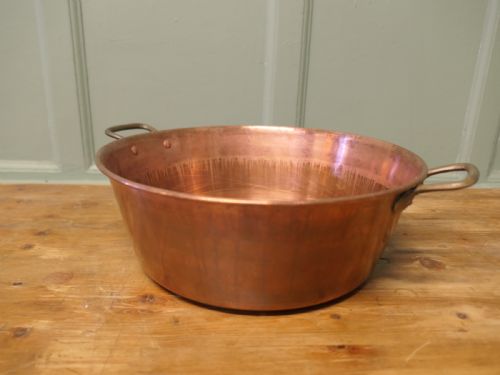
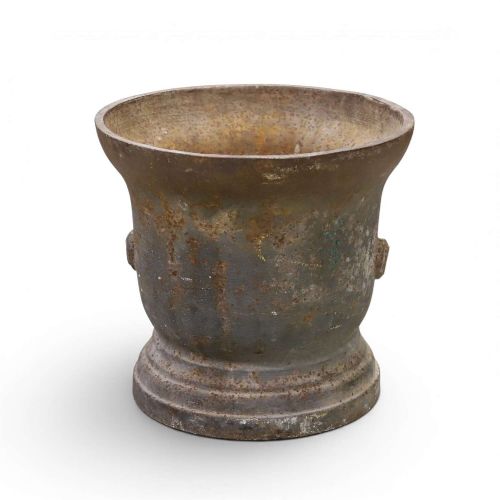
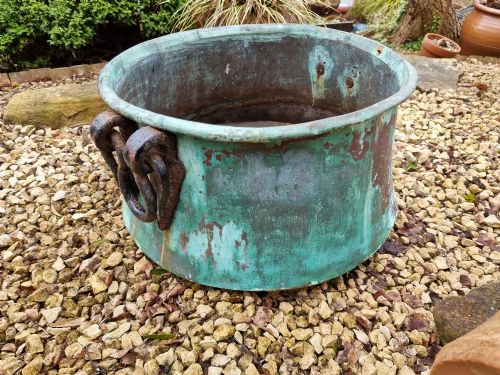
The utilitarian group includes French cheese vats, English jam pans, cauldrons, riveted coal buckets, and apothecary mortars with pestles. These domestic pieces stem primarily from the Georgian, Victorian, and later nineteenth-century periods.
How They Were Made
The metalwork relies on casting and hand-riveting techniques executed in copper, bronze, and iron. Bronze items are cast to achieve dense walls and resonant bell-ring qualities, whilst copper vessels employ hand-driven rivets to join thick plates with wrought iron handles.
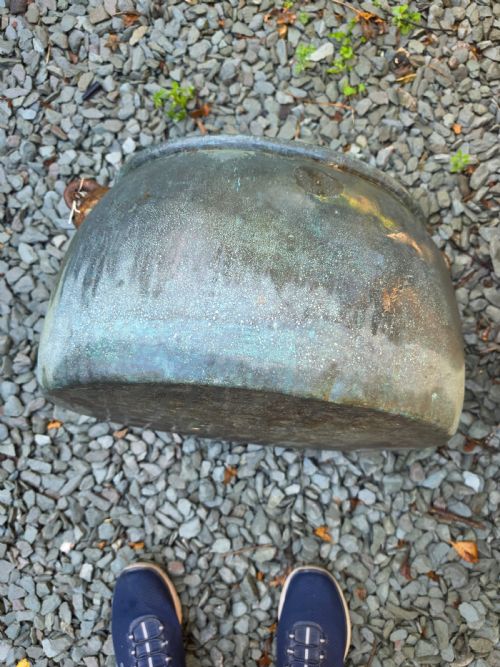
Surface treatments range from natural verdigris finishes on nineteenth-century copper pots to gilt-splash applications on Chinese bronze censers. Cast iron garden urns and mortars utilise traditional foundry moulding to produce robust utility and decorative forms.
Heavy Metal Vessel Retail Price Guide 2026
Typical asking prices for heavy metal vessel among the pieces listed under this phrase on Sellingantiques today, from the lower quarter to the upper quarter. They describe what is for sale here now, not the wider market.
This site's listings show heavy metal vessels spanning the seventeenth to the twentieth century, created in bronze, copper, brass, and iron.
What Varies in Quality
Quality rests in the proportional mass, the precision of the casting or riveting, and the clarity of any maker marks or reign stamps. Superior examples maintain structural thickness and balanced weight distribution across handles, bases, and rims.
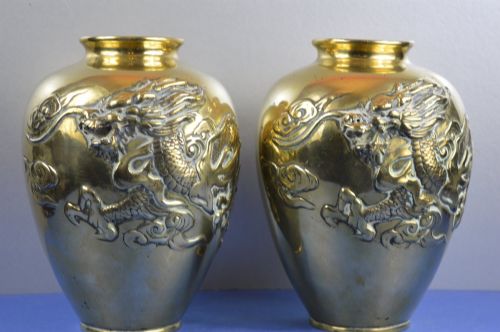
Artistic execution distinguishes utilitarian ware from master-cast pieces, observed in the crisp relief of high-relief bronze vases and the harmonious integration of dragon handles or mask motifs.
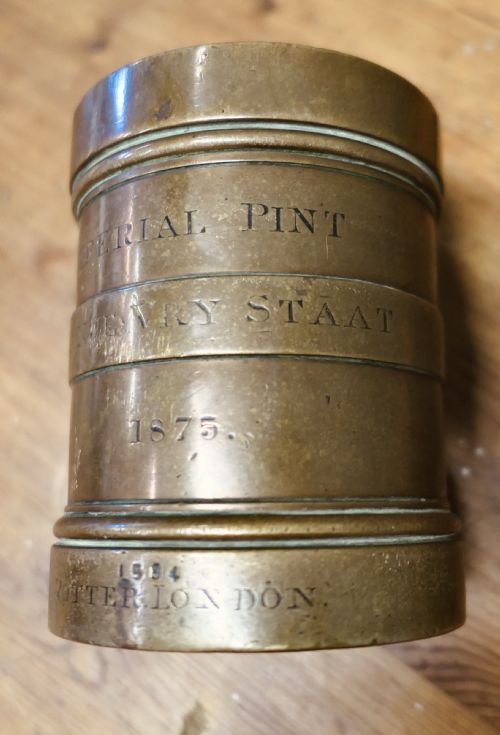
Potter of London·Hodges and Sons·Wu Bangzuo
The Heavy Metal Vessel Glossary
- Censer
- A vessel designed for burning incense during rituals or scholarly pursuits. These items frequently appear in bronze with tripod supports and fitted covers.
- Mortar and Pestle
- A grinding set comprising a heavy bowl and a heavy club used in kitchens and apothecaries. Examples are cast in bronze or iron.
- Archaic
- A stylistic term describing pieces designed to emulate the forms and motifs of ancient dynasties. These often feature stylized animal masks.
- Verdigris
- A green patina formed naturally on copper or bronze surfaces through atmospheric oxidation over long periods. This chemical layer indicates age.
- Gu
- An ancient Chinese ritual vessel form utilised for ceremonial wine or as a posy vase. These tall containers feature a flaring top and central flange details.
Heavy Metal Vessel: Frequently Asked Questions
How do I clean verdigris?
Verdigris forms a protective patina over copper and bronze through natural oxidation. Many collectors prefer to leave this finish untouched to preserve the historical surface.
Gentle dusting with a soft brush removes surface debris without stripping the underlying metal character.
Are these bronze censers authentic?
Authenticity is indicated by casting weight, metal density, and historical wear patterns consistent with dynastic periods. Many pieces carry reign marks or workshop signatures from periods such as the Qianlong era.
Examining the interior surface helps reveal the casting methods and age of the bronze.
How were copper vessels used?
Large copper vessels served demanding domestic and industrial tasks, including cheese-making, jam boiling, and grain measuring. Their excellent thermal conductivity made them essential for heavy kitchen work.
Coal buckets and planters utilised the same durable copper construction for daily household management.
What is an archaic bronze?
Archaic bronze vessels reference ancient ritual forms, featuring motifs such as taotie masks and stylized dragons. These pieces were often produced by later scholars and craftsmen replicating early designs.
The substantial weight and controlled patination distinguish these scholarly creations from modern reproductions.