


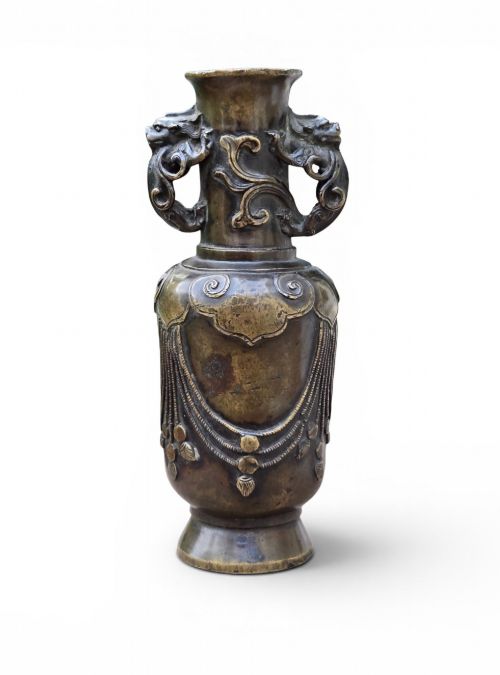


Heavy Metal Urns
These heavy metal urns bring substantial weight and dark patination to gardens and interiors, forged from robust bronze, iron, and copper.
Heavy Metal Urns
Heavy metal urns encompass robust garden planters, ceremonial vessels, and decorative vases shaped from durable alloys like cast iron, bronze, and copper. When you browse this selection of heavy metal urns, you encounter garden urns, baluster vases, and campana-style planters designed for endurance.
The objects on this page stretch from seventeenth-century ritual vessels to nineteenth-century garden castings and twentieth-century utilitarian cauldrons. Chinese bronze vases and French cast iron garden pieces appear frequently alongside English and European utilitarian vessels.
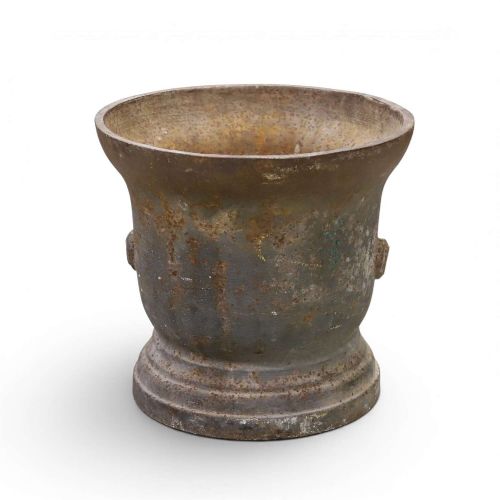
Forms shift between classical garden planters, ritual vessels, apothecary mortars, and decorative bowls. Buyers select these weighty pieces for architectural presence in outdoor landscapes or as sculptural focal points within grand interiors.
How they were made
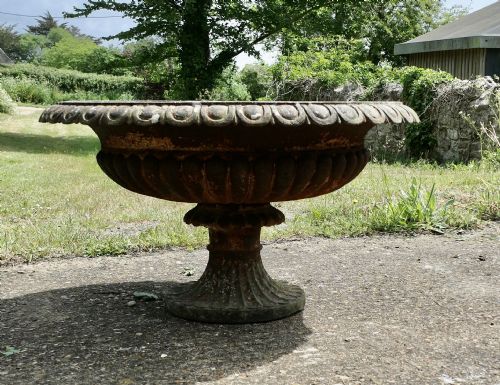
Foundry workers cast iron and bronze into sand moulds to create thick walls and structural rigidity for garden urns and ritual vessels. Heavy garden planters and architectural urns rely on direct iron casting, yielding textured surfaces and robust proportions.
Copper and brass items demonstrate sheet metal fabrication, heavy riveting, and raised dinanderie techniques. Artisans hammered copper sheets over forms and joined seams with structural rivets to build utilitarian boilers and cauldrons.
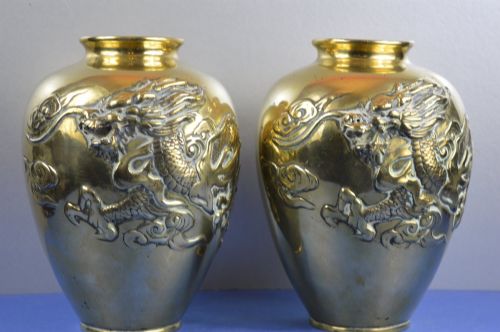
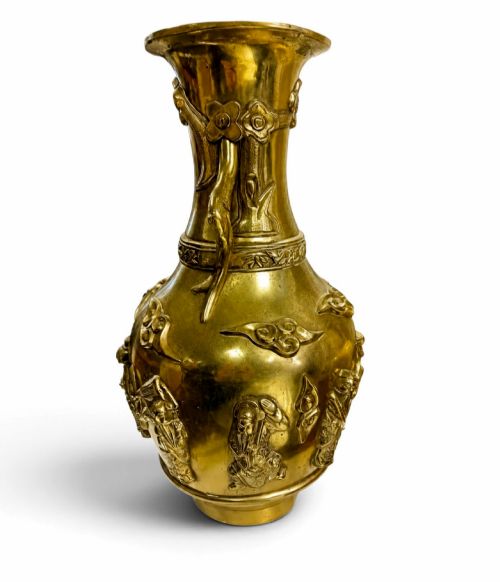
Bronze vessels often utilise lost-wax casting methods to achieve intricate high-relief details, such as dragons and Daoist immortals. Artisans then applied chemical patination, gilding, or verdigris treatments to finish the metal surfaces.
Heavy Metal Urns Retail Price Guide 2026
Typical asking prices for heavy metal urns among the pieces listed under this phrase on Sellingantiques today, from the lower quarter to the upper quarter. They describe what is for sale here now, not the wider market.
The inventory records diverse forms including garden planters, ritual gu vessels, apothecary mortars, and decorative baluster vases.
What varies in quality
Casting crispness separates standard utilitarian metalware from masterwork sculpture. Sharply defined relief work on bronze vases and cast iron urns indicates superior mould preparation and skilled metal pouring.
Metal alloy composition and wall thickness determine the structural integrity and mass of each piece. Heavier bronze and iron castings with substantial weight demonstrate superior material density compared to thinner utilitarian items.
Surface finish and patination integrity distinguish exceptional examples. Original fire gilding, controlled verdigris, and untouched age patinas contribute significantly to the visual depth of the metal.
The Heavy Metal Urns Glossary
- Baluster
- A vase or urn form with a rounded lower body tapering to a narrow neck. This silhouette appears frequently in nineteenth-century Chinese bronze vessels.
- Dinanderie
- An old term for medieval and later objects made of brass, copper, or bronze. This technique involves beaten and raised copper alloys used for cauldrons and planters.
- Patina
- The surface sheen and colour acquired by metal through age and oxidation. This natural ageing process alters raw bronze, copper, and iron over decades.
- Gu
- An ancient Chinese ceremonial bronze ritual vessel shape with a flared trumpet mouth and slender central stalk. Victorian collectors prized these archaic forms.
- Verdigris
- A green copper carbonate patina formed naturally on copper, brass, or bronze surfaces through atmospheric exposure. This coating protects the underlying metal from further corrosion.
Heavy Metal Urns: Frequently Asked Questions
Can heavy metal urns stay outside all winter?
Cast iron and heavy bronze urns tolerate outdoor placement across seasonal shifts when properly drained. Water trapped inside freezing cavities can crack even thick metal walls.
Elevating planters on stone bases prevents moisture absorption from damp ground. Regular inspection of the metal helps maintain the protective outer patina.
How do I clean an antique bronze vase?
Dust bronze surfaces gently with a soft, dry brush to preserve the historical patina. Avoid abrasive polishes that strip away the centuries of oxidation.
Applying microcrystalline wax occasionally protects the metal from moisture. Consult a specialist before attempting any chemical cleaning on gilded surfaces.
What is the difference between cast iron and bronze urns?
Cast iron offers heavy utilitarian strength with a dark, oxidised surface suited to grand gardens. Bronze allows for finer detail work and resists red rust deterioration.
Iron develops a stable surface rust over time if left untreated. Bronze forms deep green or brown patinas that remain structurally sound for centuries.
How do I identify a nineteenth-century cast iron urn?
Examine the casting seams, weight, and bolt fixings for signs of nineteenth-century foundry production techniques. Heavy sand-cast iron often displays slight surface irregularities and thick wall construction.
Look for classical revival motifs popular during the Victorian period, such as acanthus leaves and egg-and-dart rims. Maker marks or registry numbers can sometimes confirm the manufacturing decade.