



Heavy Metal Stop
These heavy metal stop pieces hold doors firm against the draught while bringing substantial weight and sculptural character to a room.
Heavy Metal Stop
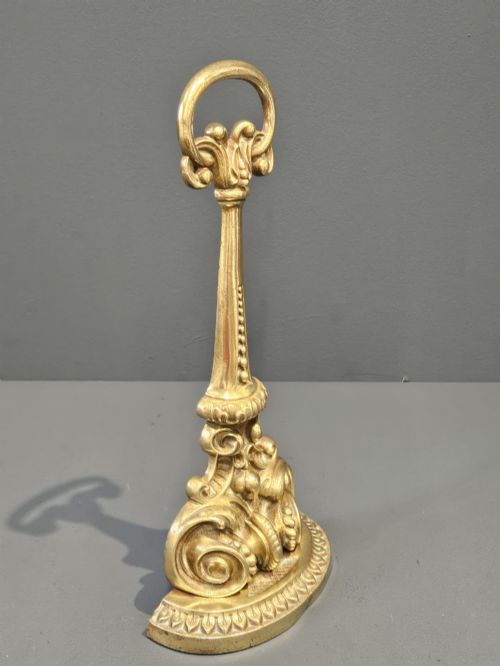
A heavy metal stop serves to hold interior doors open, taking the form of figural doorstops, door porters, and fire dogs across Georgian, Regency, and Victorian periods. The pieces on this page lean heavily into cast iron and brass, with bronze, steel, and spelter also appearing in smaller numbers.
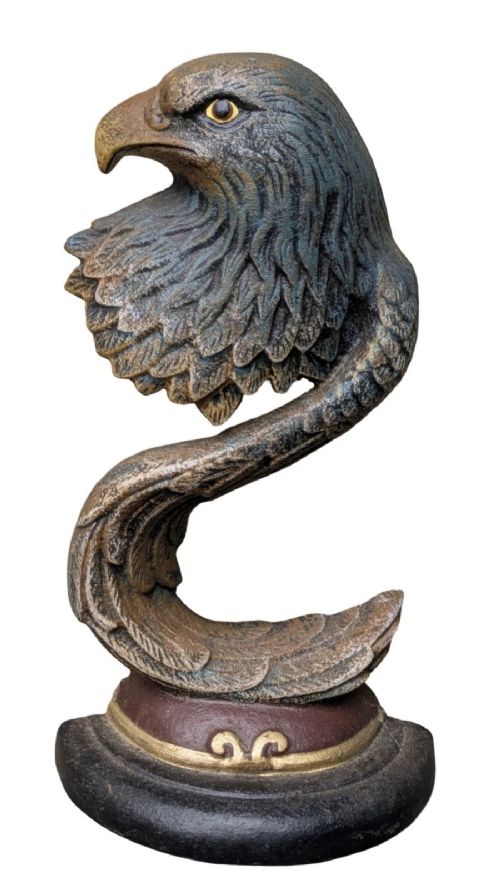
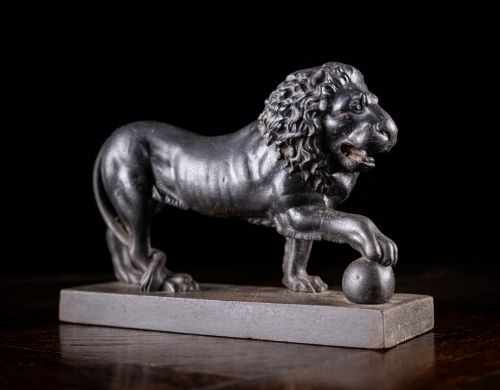
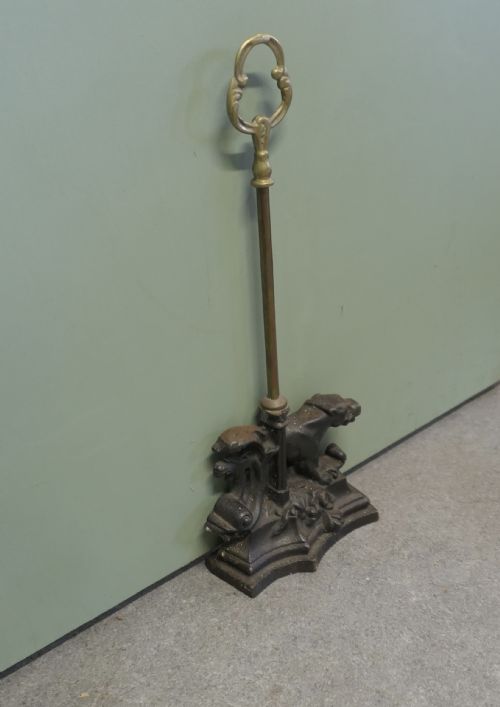
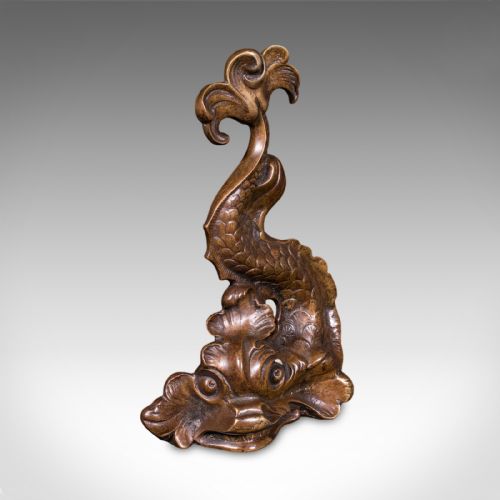
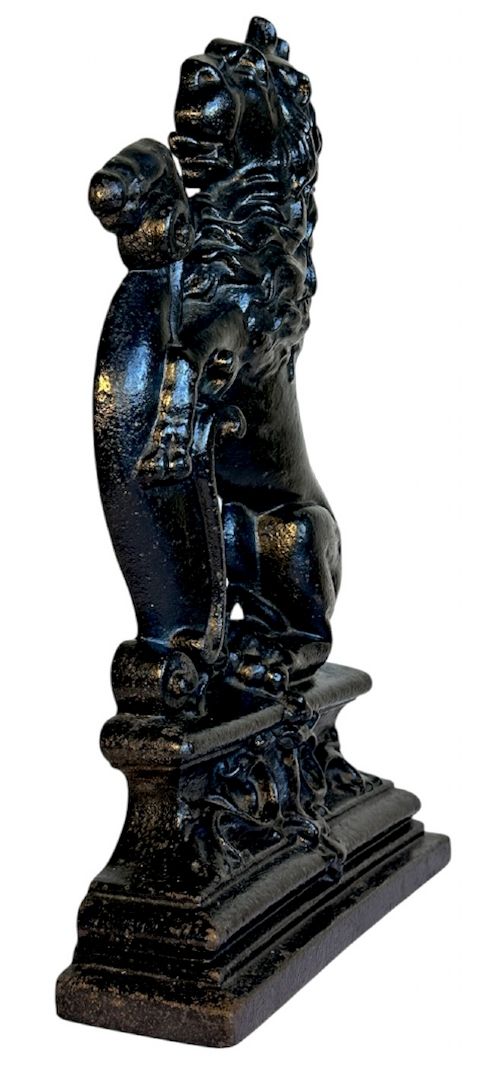
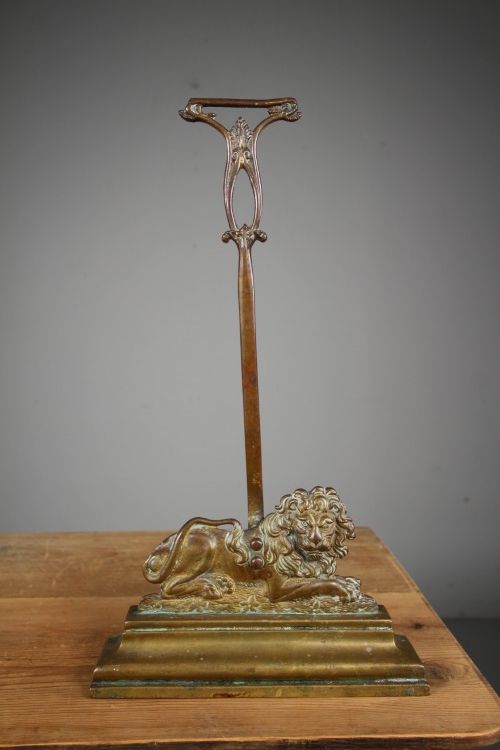
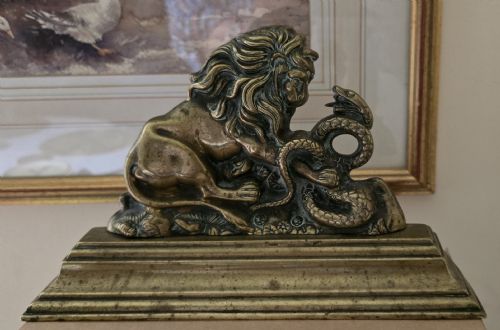
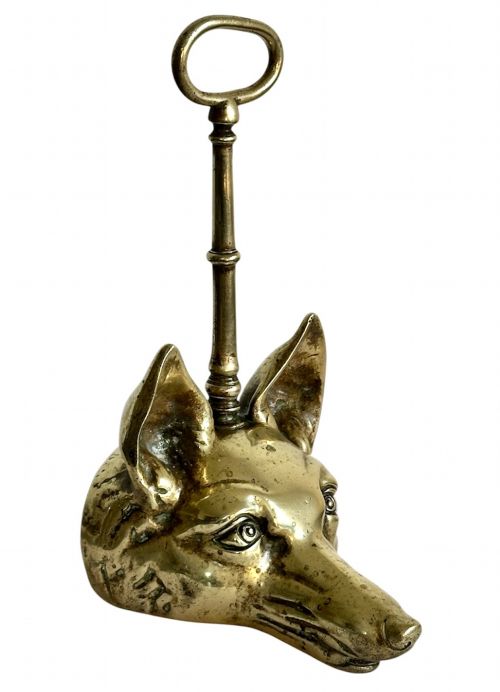
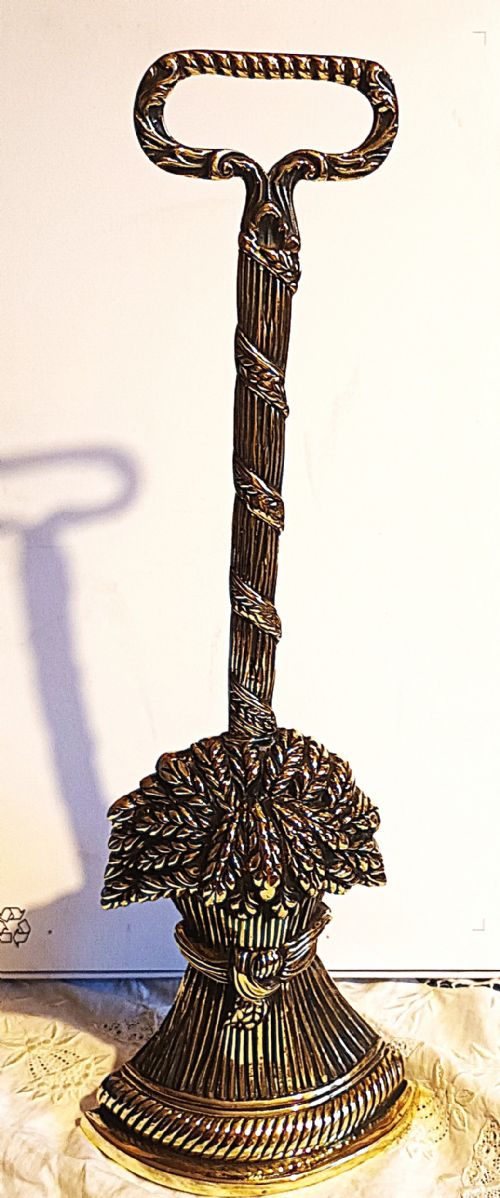
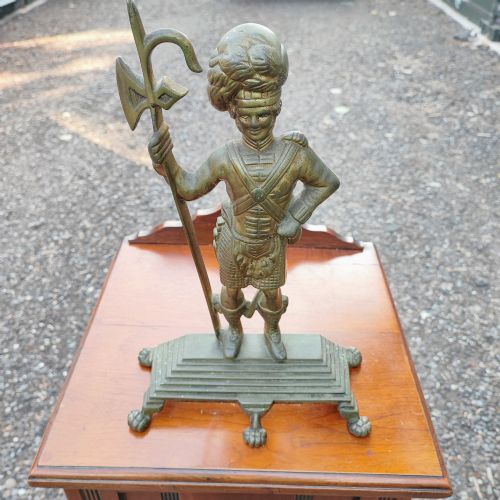
Most examples you encounter here take animal and figural shapes, featuring lions, horses, dogs, and characters such as Mr Punch or historical figures. These functional items combine utilitarian weight with decorative sculpture, often designed with an integrated handle or ring for lifting.
Originating predominantly from English workshops, these items range from austere architectural forms to expressive character studies cast in heavy metal. The selection spans utilitarian door keepers and bookends alongside decorative ornaments intended to anchor a room.
Materials and casting methods
Foundries utilised traditional sand-casting techniques to pour molten iron, brass, or bronze into moulds, resulting in thick-walled objects with considerable heft. Cast iron provides a dense, dark foundation, frequently finished with black paint or left to weather with a natural texture.
Heavy Metal Stop Retail Price Guide 2026
Typical asking prices for heavy metal stop among the pieces listed under this phrase on Sellingantiques today, from the lower quarter to the upper quarter. They describe what is for sale here now, not the wider market.
Mr Punch supervises the threshold with an iron grip, while brass foxes and spaniels keep a permanent watch by the skirting board.
Distinctions in craftsmanship
The distinction between ordinary and superior pieces lies in the crispness of the casting and the definition carved into the original mould. Finer examples retain sharp facial expressions on figures and clean detailing on animal fur or heraldic manes, whereas lesser pieces suffer from softened contours due to worn moulds.
Surface finishes also divide the range, with original paintwork or polished brass patination holding greater visual integrity than later overpainting. The thickness of the metal wall and the stability of the base dictate how successfully the piece performs its practical function.
Tonks·F Abella & Sons
The Heavy Metal Stop Glossary
- Door porter
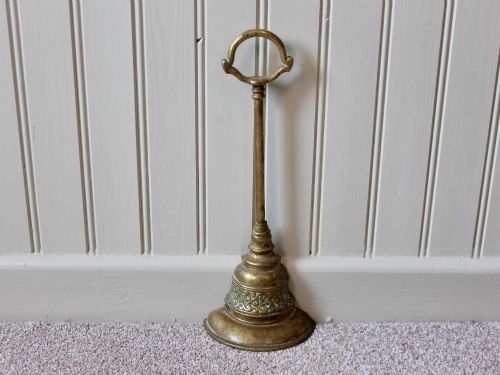
- A heavy movable object, synonymous with a doorstop, designed with a vertical handle to allow repositioning without bending down. These tall pieces were particularly favoured in large country houses.
- Cold painted
- A method of applying non-fired oil or water-based paint to bronze or metal figures after casting. This technique adds colour to details but remains susceptible to flaking over time.
- Spelter
- An alloy of zinc and lead or copper used as a cheaper substitute for bronze in decorative figures. It is lighter than bronze and requires careful handling to prevent structural stress.
- Fire dogs
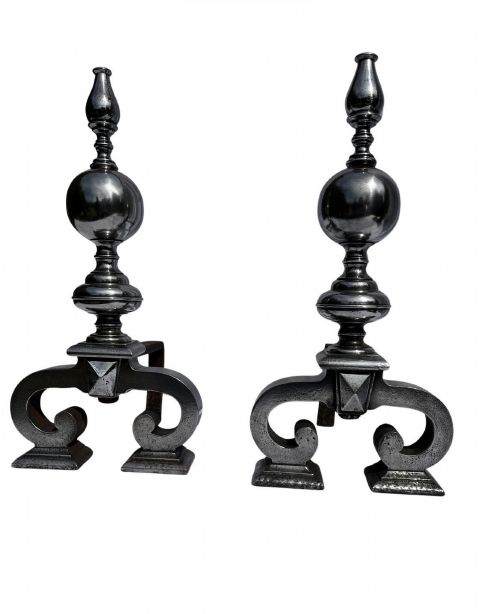
- Andirons used to support logs in a hearth, sharing similar cast iron and brass manufacturing techniques with heavy door stops. They often feature matching decorative finials.
- Regency
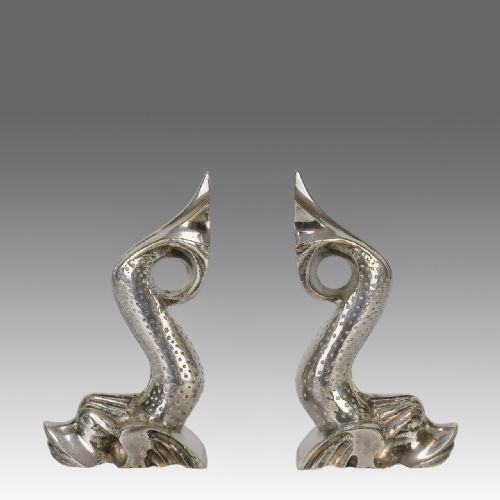
- A design period spanning the early 19th century characterised by classical revival motifs, such as dolphins and lions. Pieces from this era often draw on ancient Roman or Greek sculpture.
Heavy Metal Stop: Frequently Asked Questions
What is a heavy metal stop?
A heavy metal stop is a dense, cast object of iron, brass, or bronze designed to keep doors from swinging shut. These items combine practical weight with figural decoration.
Originating largely in the 19th century, they double as sculptural ornaments for the floor or hearth.
How do I clean a brass doorstop?
Cleaning requires a soft cloth and mild soapy water to remove surface dust without disturbing the aged patina. Avoid harsh chemical polishes that strip away historical character.
Allow the metal to dry completely to prevent oxidation and spotting on the surface.
Are these pieces purely decorative?
While they serve as decorative sculptures, their primary purpose is utilitarian. The substantial mass of cast iron or brass anchors heavy doors against draughts.
Smaller variants also function effectively as bookends on a sturdy shelf.
How do I date a cast iron stop?
Dating relies on the style of the casting, the crispness of the mould, and material composition. Victorian and Georgian pieces exhibit distinct aesthetic movements like classical revival or gothic influences.
Surface wear, paint layers, and construction methods further indicate the period of manufacture.