



Heavy Metal Door Stops
Heavy metal door stops are sturdy household sentinels, and you want one to hold a stubborn door wide with genuine period weight.
Heavy Metal Door Stops
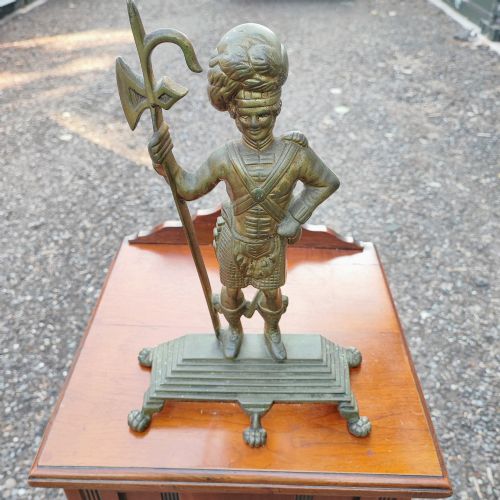
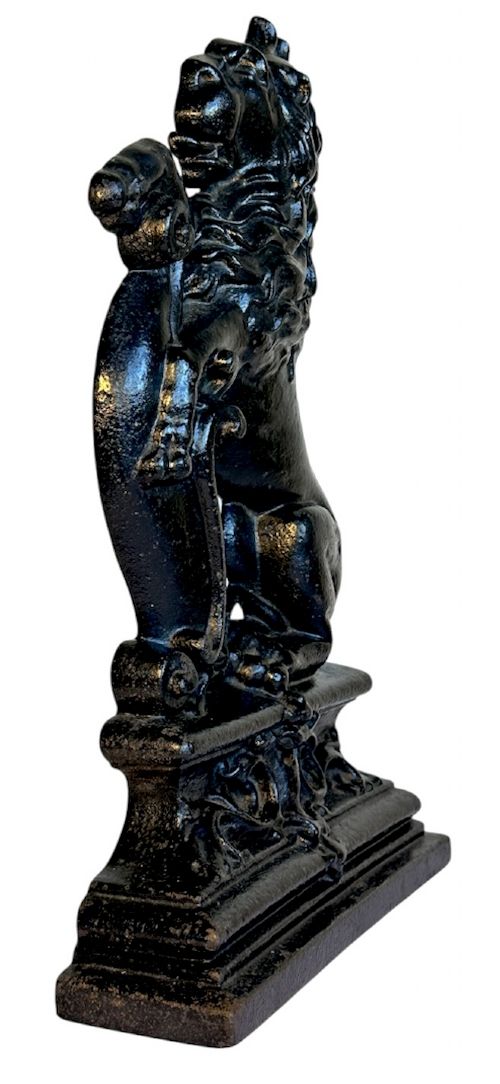
When you search for heavy metal door stops, you look at functional iron and brass weights designed to keep interior doors from swinging shut in draughty houses. These objects appear mostly as figurative sculptures ranging from heraldic beasts to human characters.
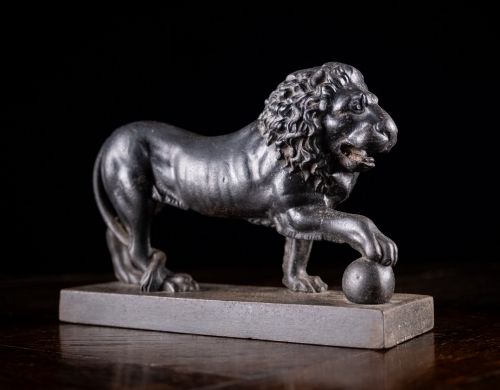
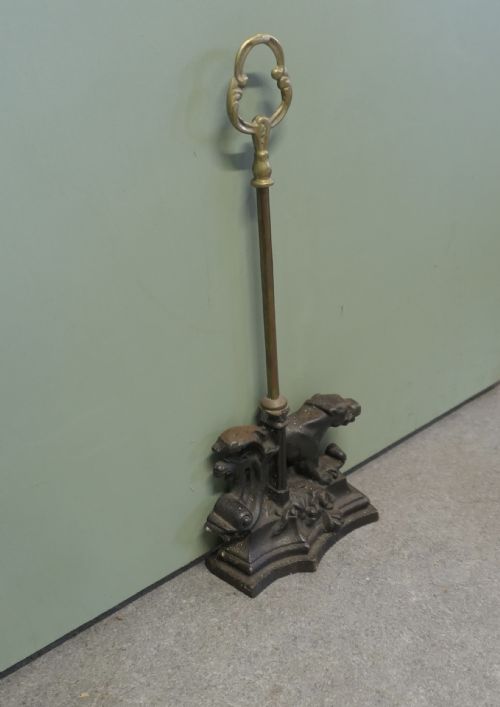
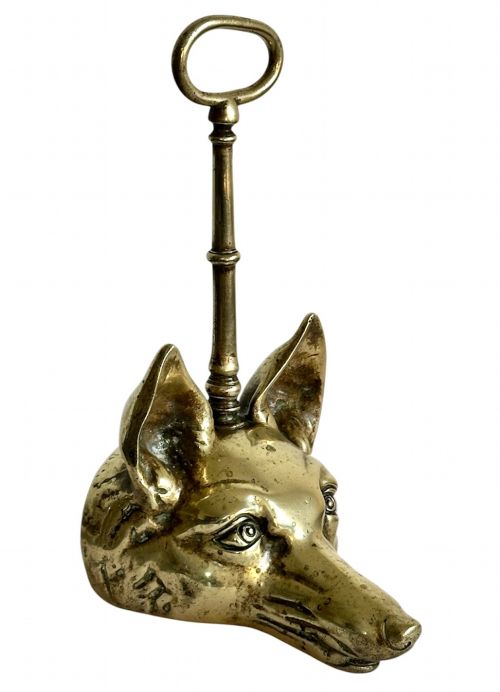
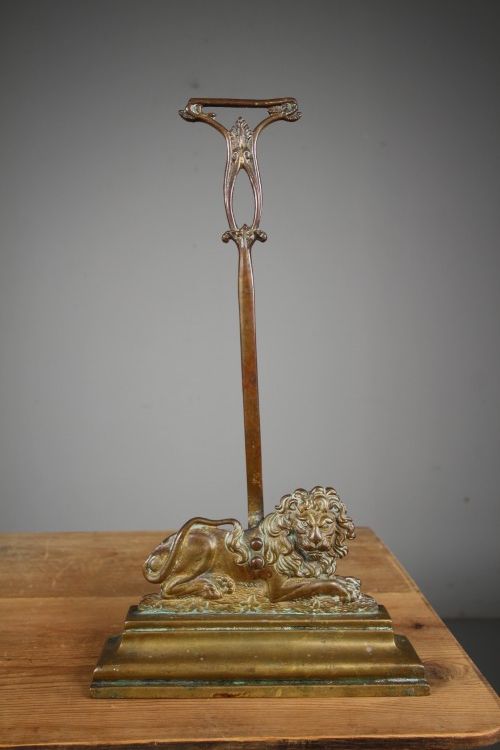
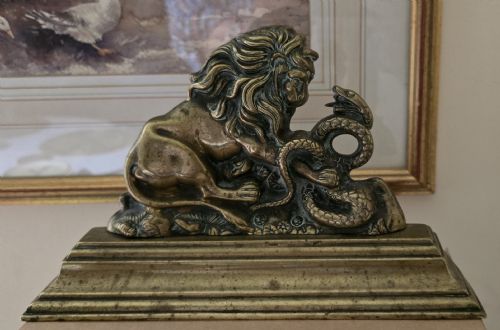
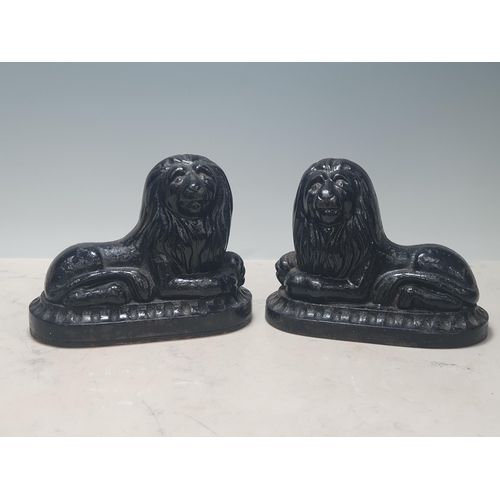
The version you are most likely to meet on this page is the Victorian or 19th-century cast iron or brass door porter, often cast in the shape of a lion, a fox head, or Mr Punch. English country house examples dominate the selection, alongside occasional Dutch and Scottish pieces.
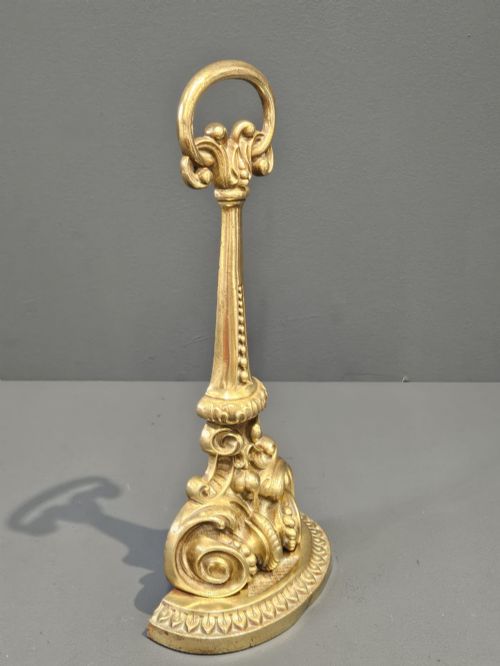
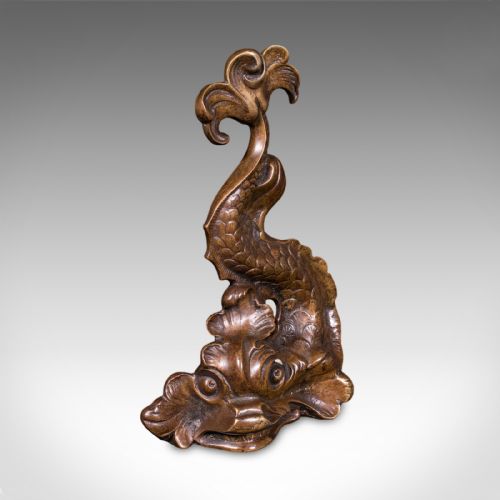
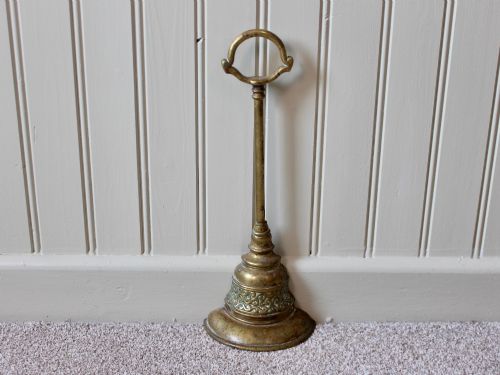
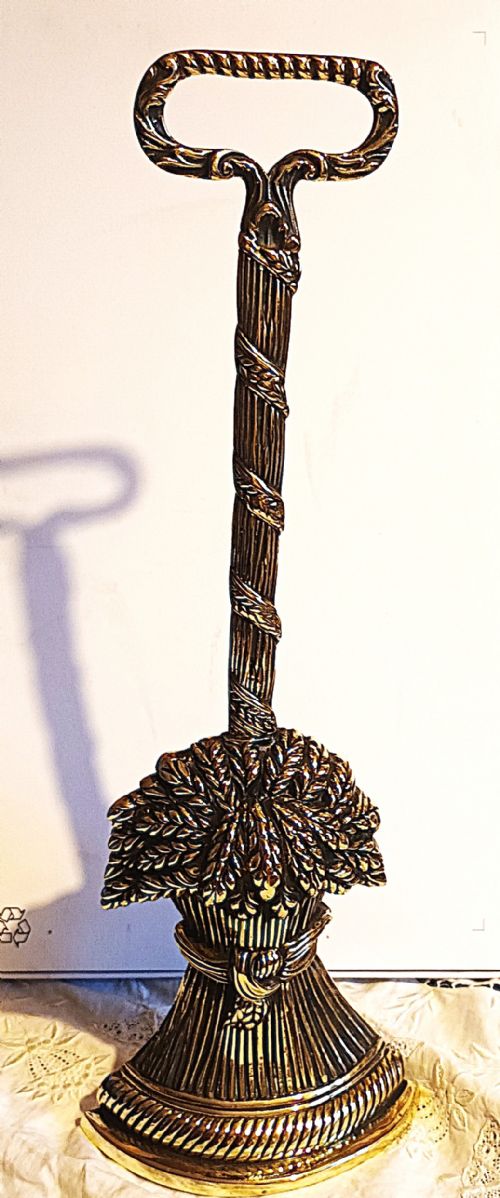
Forms span from simple cast iron door stops to ornate bronze dolphins and painted iron ornaments. Many incorporate a loop handle at the top for carrying the weight from room to room.
How they were made
These items rely primarily on cast iron, brass, and bronze, poured into moulds to create solid, heavy forms that could resist shifting. Some pieces feature applied paint surfaces over the metal base, while others depend on the polished golden tone of brass or the dark patina of bronze and lead.
Several grumpy lions and mischievous Mr Punch figures stand ready to guard your floorboards.
What varies in quality
The weight and thickness of the metal itself dictate utility, as heavier bronze and dense cast iron offer better stability than thinner variants. Original painted surfaces or patination untouched by modern restoration also elevate the standing of a piece.
Tonks
The Heavy Metal Door Stops Glossary
- Door porter
- A traditional British term for a heavy portable door stop fitted with an upright handle for lifting. These objects served country houses and urban villas alike.
- Cast iron
- An iron-carbon alloy poured into moulds to create rigid, heavy decorative items. This material provides the necessary heft to hold heavy doors open.
- Cast brass
- An alloy of copper and zinc shaped by liquid casting rather than sheet fabrication. It yields a bright golden finish that ages with a dark patina.
- Patina
- The surface sheen and colour acquired by metal through age, handling, and oxidation. Collectors prize an undisturbed surface over polished brightness.
- Recumbent
- Lying down or resting, as seen in cast iron lion door stops designed in a prone position. This posture offers a lower, more stable centre of gravity.
Heavy Metal Door Stops: Frequently Asked Questions
What is a door porter?
A door porter is a heavy metal weight featuring an integrated handle at the top for easy movement across rooms.
These pieces were essential in large Georgian and Victorian houses to manage heavy wooden doors against sudden draughts.
How do I use a heavy metal door stop?
Place the heavy base directly against the interior margin of an open door to secure it firmly in position.
The substantial mass of iron or brass prevents the door from swinging shut without needing floor fixtures.
Are these pieces English?
Many examples originate from English country houses and workshops, reflecting domestic decorative tastes of the nineteenth century.
Stylistic markers such as royal beasts and character figures point firmly to British manufacturing traditions.
How do I tell cast iron from brass?
Cast iron appears dark, grey, or painted, and possesses a heavy, utilitarian industrial presence.
Brass offers a golden metallic hue that can be polished or left with an aged dark patina.