





Heavy Metal Box
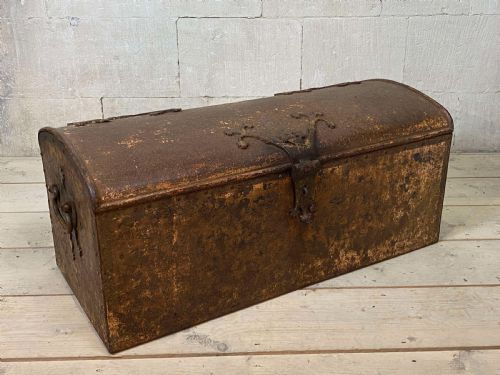
When you search for a heavy metal box, you are looking at substantial iron, steel, brass, and bronze strongboxes, coffers, and trunks built to secure valuables or withstand rugged travel.
Heavy Metal Box
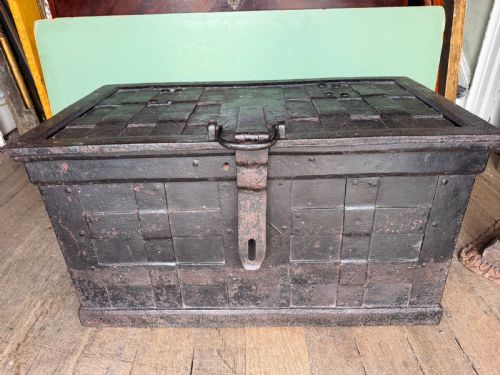
A heavy metal box encompasses a diverse group of secure containers, from sixteenth-century iron-bound coffers and Nuremberg caskets to nineteenth-century Victorian safes and oak silver chests.
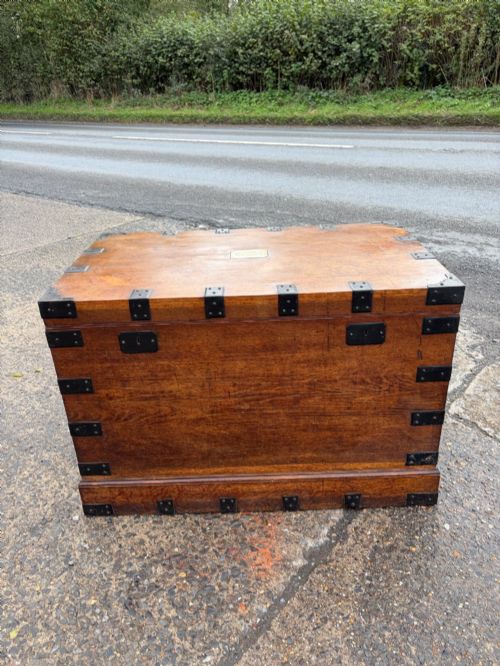
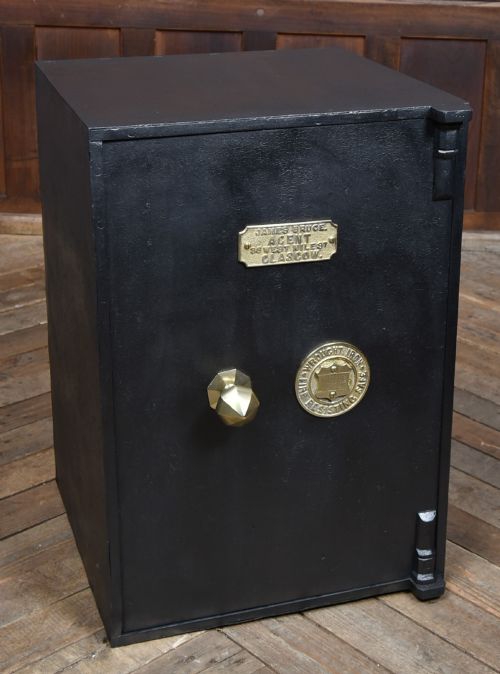
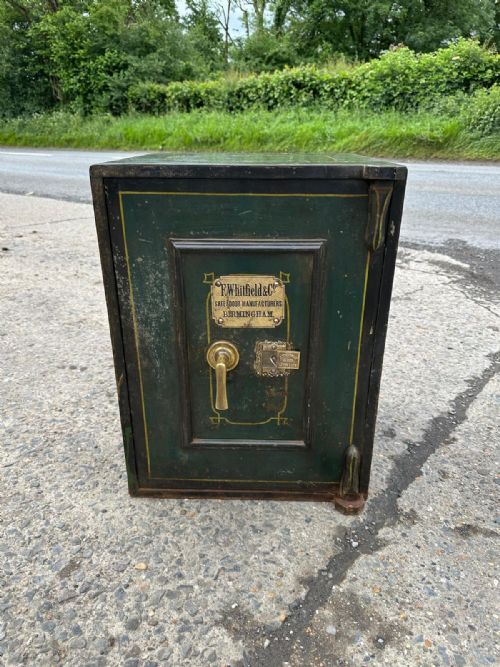
You are most likely to meet Victorian iron-bound trunks, cast iron safes, and brass-mounted oak silver chests on this page, reflecting the heavy utilitarian and domestic storage needs of the nineteenth century.
The origins span English country houses, Scottish workshops, German centres, and Indian provinces, demonstrating that robust metal reinforcement was a universal solution for protecting precious goods.
How they were made
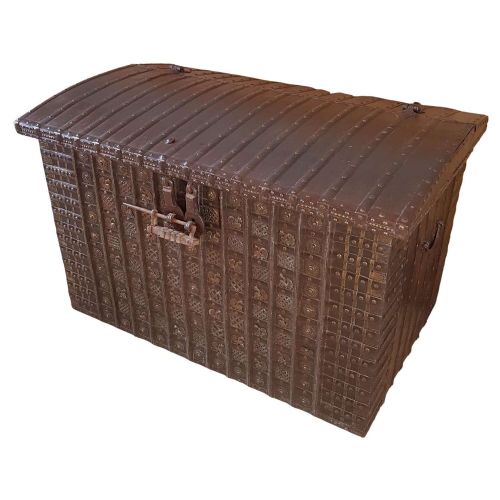
Makers utilised heavy structural woods such as oak, pine, teak, and hardwood as the core body, reinforcing the joints and panels with hand-forged iron bands, steel strapping, or brass mounts.
Iron and steel components were shaped through casting and wrought iron techniques, often incorporating complex internal locking mechanisms and patent mechanisms operated by specialised keys.
Surface treatments ranged from plain painted iron and industrial dark finishes to decorative brass inlays, bronze castings, and ornate ornamentation suited for domestic display.
Heavy Metal Box Retail Price Guide 2026
Typical asking prices for heavy metal box among the pieces listed under this phrase on Sellingantiques today, from the lower quarter to the upper quarter. They describe what is for sale here now, not the wider market.
Listings feature structural materials including cast iron, wrought iron, brass, steel, bronze, oak, pine, teak, and various other hardwoods.
What varies in quality
Quality rests primarily in the integrity and complexity of the locking mechanism, ranging from standard simple latches to intricate internal bolt-work with certified patent keys.
The standard of metalworking distinguishes ordinary utilitarian containers from masterwork pieces, seen in hand-chased brass mounts, forged iron strap-work, and robust cast iron construction.
The preservation of original provenance, maker signatures, and untouched structural timber adds significant substance to an example.
James Bruce·F. Whitfield and Co.·Allen of London·Milners of Liverpool·George Price
The Heavy Metal Box Glossary
- Cofer
- A heavy wooden chest bound with iron straps, traditionally used for storing valuables and documents. These early forms often feature complex internal locking lids.
- Strongbox
- A secure metal box or small safe designed specifically to protect money, plate, or documents against theft. They frequently employ heavy cast iron or steel walls.
- Silver chest
- A large fitted wooden trunk reinforced with metal bands or plates, lined to store family silver flatware and holloware securely. English oak and pine were standard for the bodies.
- Nuremberg casket
- A portable iron strongbox produced in Germany during the sixteenth and seventeenth centuries, featuring elaborate internal locking mechanisms hidden beneath engraved plates.
- Damchiya
- An Indian dowry chest or trunk, frequently constructed with heavy iron banding and structural wood, used in regional households for storage.
Heavy Metal Box: Frequently Asked Questions
What is a heavy metal box?
A heavy metal box is a secure container built from materials like iron, steel, brass, or bronze, often combined with robust hardwoods such as oak or pine.
These pieces range from early European strongboxes and Nuremberg caskets to Victorian silver chests and industrial safes designed for domestic or travel security.
How were these boxes used historically?
Historically, these containers served to protect valuable household plate, currency, documents, and personal items from theft or damage during transit and storage.
Some functioned as permanent strongrooms in country houses, while others travelled across continents as military packing cases and shipping trunks.
How do I live with a heavy metal box?
Living with these pieces involves acknowledging their substantial weight and utilitarian presence, making them suitable as statement coffee tables, blanket chests, or hallway storage.
Ensure wooden and metal surfaces are kept dry and treated with appropriate conservation waxes to maintain the condition of both the timber and the ironwork.
How do I tell periods apart?
Distinguishing periods relies on observing construction methods, lock technology, and stylistic decoration, such as sixteenth-century hand-forging versus nineteenth-century patent casting.
Early pieces often feature visible hand-hammered iron straps and complex concealed bolt-work, whereas Victorian examples frequently incorporate manufacturer nameplates and standardised locking plates.