





Heavy Metal Bowls
Heavy metal bowls bring substantial substance and historical utility into a space through cast bronze, copper, and iron forms.
Heavy Metal Bowls
Heavy metal bowls encompass robust vessels designed for utilitarian, ritual, and culinary purposes across multiple centuries. When searching for heavy metal bowls, buyers encounter practical kitchen pans, apothecary mortars, and decorative censers.
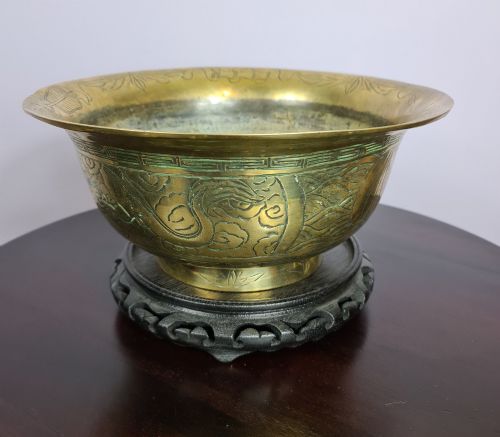
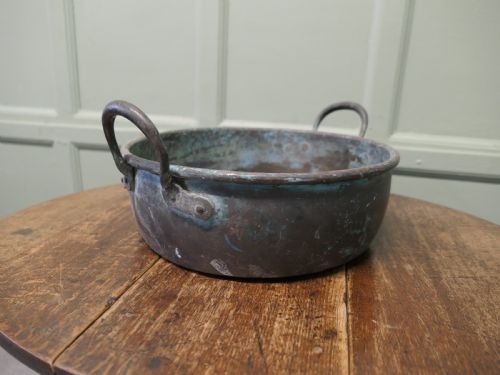
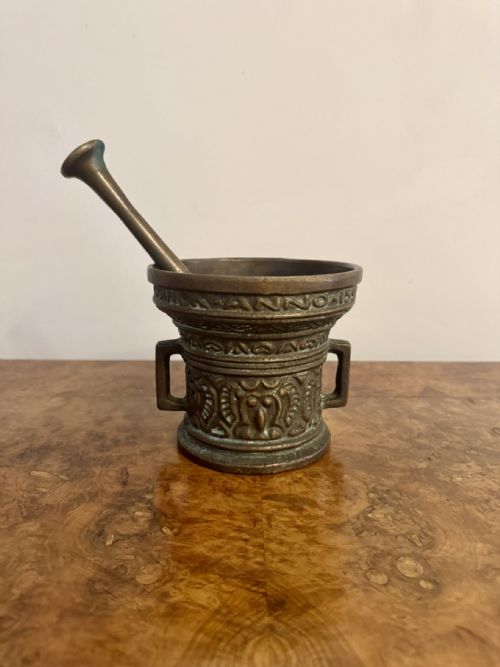
The selections span English Georgian pieces, French chateau kitchen items, and Chinese archaic-style ritual bronzes. Copper preserve pans and heavy bronze mortars dominate the domestic kitchen categories.
Materials and Construction
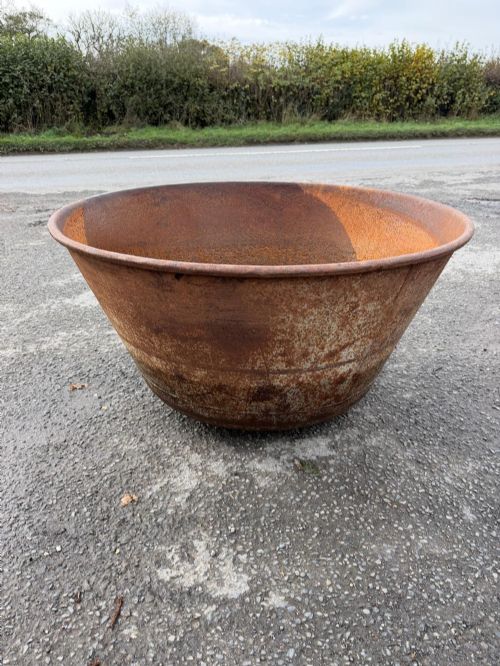
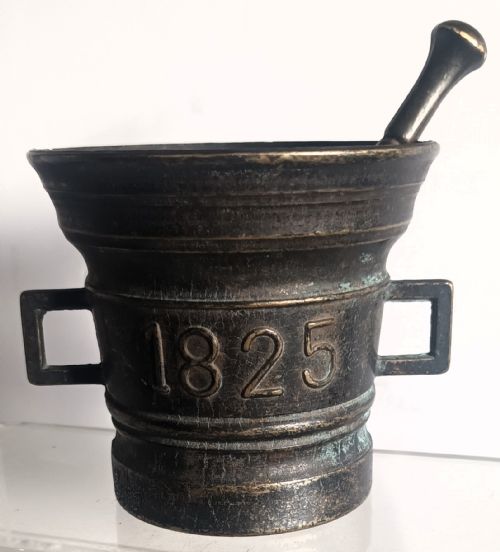
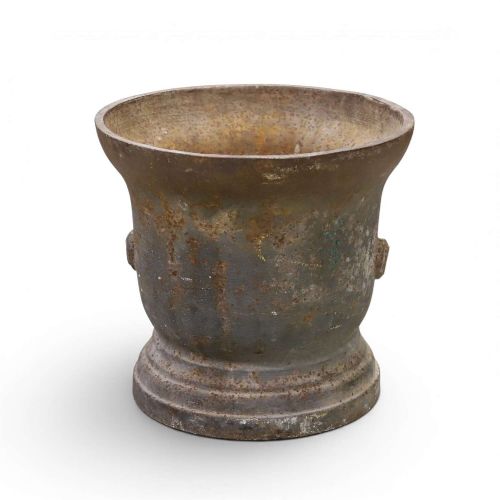
Foundries utilised casting techniques for bronze, cast iron, and brass to achieve thick, resilient walls. Molten metal poured into moulds created sturdy vessels capable of withstanding heavy pestle impacts or sustained heat.
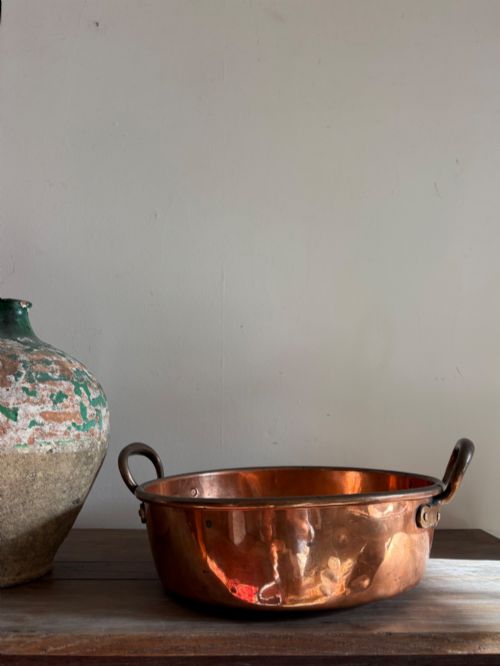
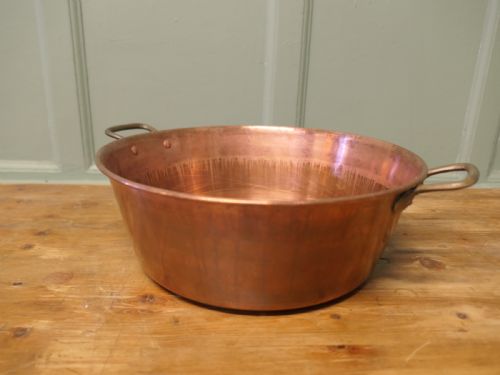
Coppersmiths hammered sheet copper into large preserve pans and kitchen vessels, securing joints with robust handles and rivets. The combination of heavy gauge metal and reinforced rims provided durability for industrial and domestic tasks.
Heavy Metal Bowls Retail Price Guide 2026
Typical asking prices for heavy metal bowls among the pieces listed under this phrase on Sellingantiques today, from the lower quarter to the upper quarter. They describe what is for sale here now, not the wider market.
Assessing Quality and Execution
Quality rests in wall thickness, proportional balance, and the crispness of cast details like mask handles or maker marks. Superior bronzes exhibit resonant bell-like tones and careful finishing rather than crude surface pocking.
The integrity of construction separates standard utility vessels from master-cast examples designed for scholars or ritual spaces. Weight distribution and original handle attachments indicate the primary standard of the piece.
The Heavy Metal Bowls Glossary
- Censer
- A vessel designed for burning incense, often featuring tripod legs and decorative handles. These ritual pieces appear frequently in bronze across Ming and Qing dynasties.
- Mortar and Pestle
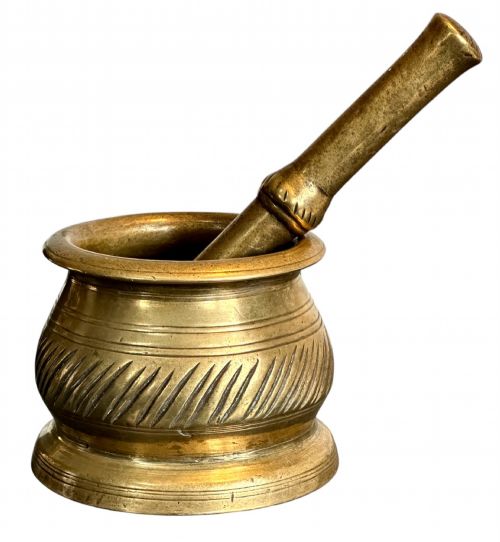
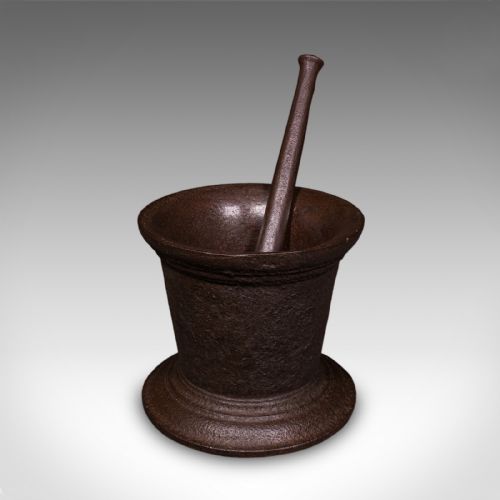
- A heavy bowl paired with a club-shaped tool used for grinding materials. Examples range from small apothecary sets to massive industrial dye maker versions.
- Archaic-Style
- A design approach that emulates ancient ritual bronzes from earlier dynasties. This aesthetic focuses on ritual motifs such as taotie masks.
- Taotie Mask
- A mythological zoomorphic motif frequently cast onto the sides of ritual bronzes. This face pattern appears on Chinese censers and vessels from early periods.
Heavy Metal Bowls: Frequently Asked Questions
What were heavy metal bowls used for?
These vessels served diverse practical functions ranging from culinary jam preservation to apothecary grinding and ritual incense burning.
Industrial settings also utilised massive mortar units for dye making and heavy preparation tasks.
How do I identify a bronze censer?
Bronze censers typically feature three feet, matching stands, and decorative handles shaped like lion masks or taotie designs.
They originate from Asian dynasties and scholar's studies, often displaying substantial weight and resonant metal density.
Are copper preserve pans safe to use?
Antique copper pans function primarily as decorative display items or heavy kitchen accessories for modern interiors.
Their historical construction involved thick hand-hammered copper designed for open-fire culinary preservation.
How do I date a bronze mortar?
Dating relies on stylistic clues, historical casting methods, and any accompanying maker marks or regional English and French designs.
Georgian and Victorian iterations show distinct wall thicknesses and handle forms compared to earlier periods.