




Heavy Iron Stand
These heavy iron stand pieces bring robust utility and architectural presence to hallways and hearths, offering enduring strength.
Heavy Iron Stand
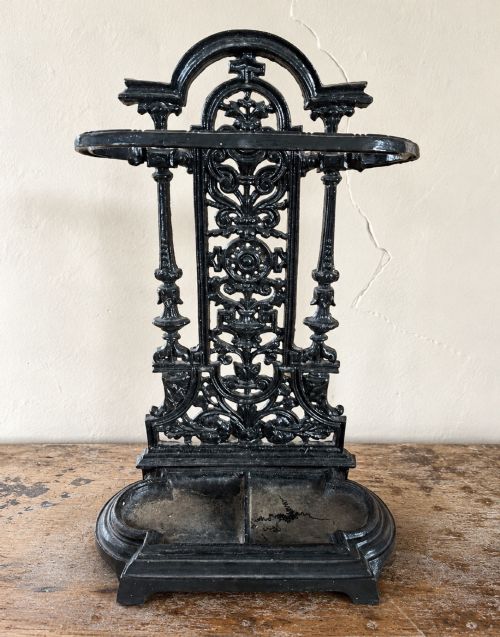
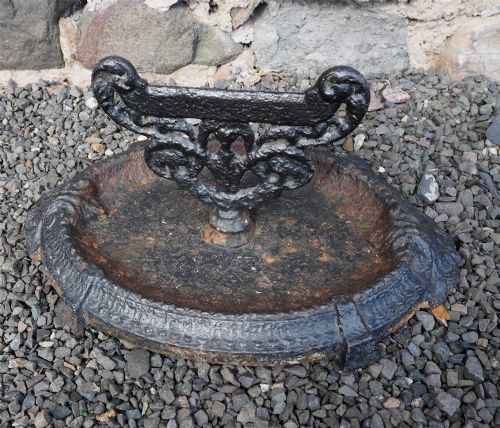
A heavy iron stand serves functional roles across hallways and hearths, appearing most frequently as umbrella and stick stands or boot scrapers. These utilitarian objects date largely from the Victorian and Edwardian eras, alongside pieces from the nineteenth century and the year nineteen twenty.
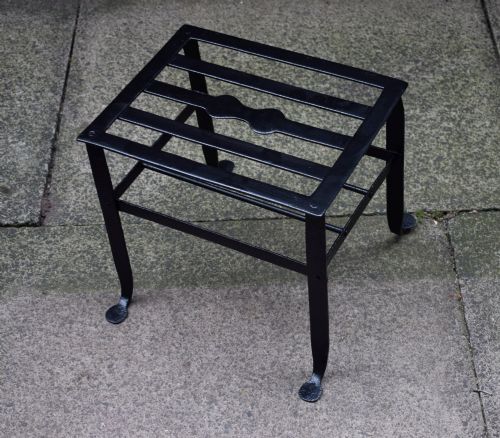
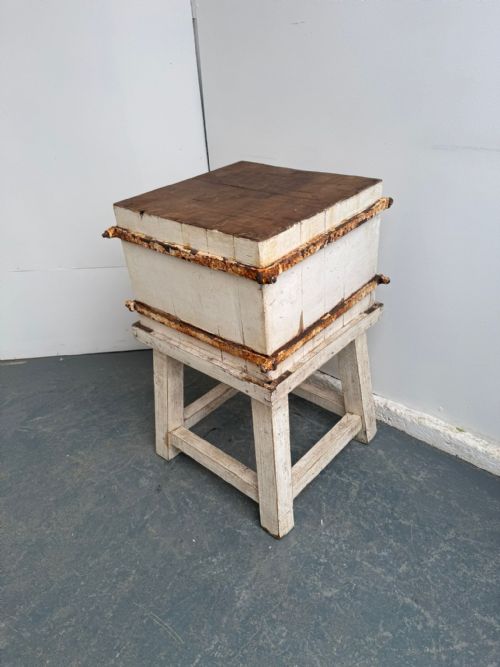
The selection on this page includes umbrella stands, stick stands, boot scrapers, and fireplace accessories alongside furniture such as butcher's blocks and tables. Examples span styles from Victorian Industrial and Gothic Revival to French Country and Rustic Country.
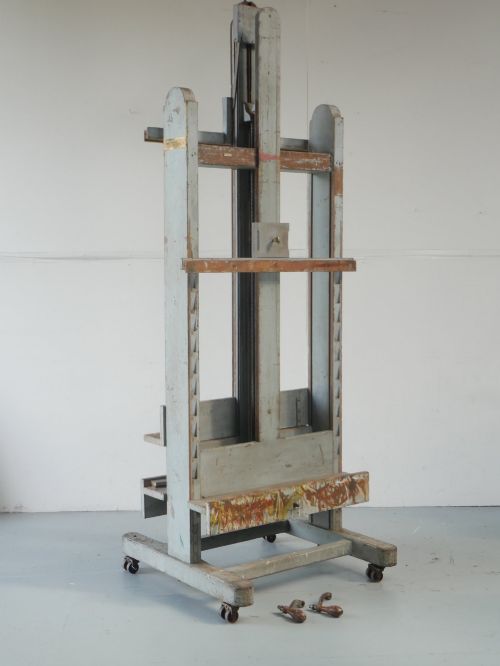
Victorian cast iron umbrella stands and boot scrapers dominate the inventory, accompanied by companion sets, fire dogs, and studio easels. Buyers encounter both plain utility pieces and highly decorative castings designed for prominent entranceways and country houses.
What varies in quality
The crispness of the casting defines the distinction between standard utilitarian foundry work and decorative pieces designed by notable makers. Heavy gauge metal and solid construction indicate better durability and stability in daily use.
Original surface treatments, such as early painted finishes and untouched patination, distinguish well-preserved examples from later alterations or re-paintings.
Heavy Iron Stand Retail Price Guide 2026
Typical asking prices for heavy iron stand among the pieces listed under this phrase on Sellingantiques today, from the lower quarter to the upper quarter. They describe what is for sale here now, not the wider market.
A cast iron Jack and the Beanstalk stick stand brings a fairy tale narrative straight into the Victorian hallway.
Coalbrookdale·Falkirk
The Heavy Iron Stand Glossary
- Cast iron
- An iron-carbon alloy poured into a mould to create complex shapes. It provides the heavy weight and rigid structure seen in umbrella stands and boot scrapers.
- Wrought iron
- Iron beaten into shape by hand with a hammer and anvil rather than cast in a mould. This material offers fibrous strength for structural frames and decorative scrolls.
- Boot scraper
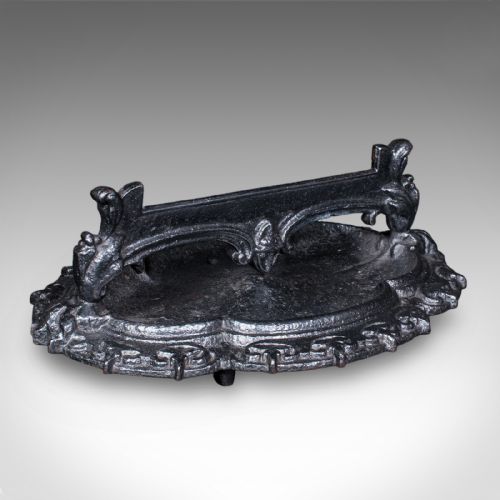
- A metal blade fixed near a doorway for removing mud from footwear before entering a house. These items are frequently mounted on heavy stone or iron bases.
- Companion set
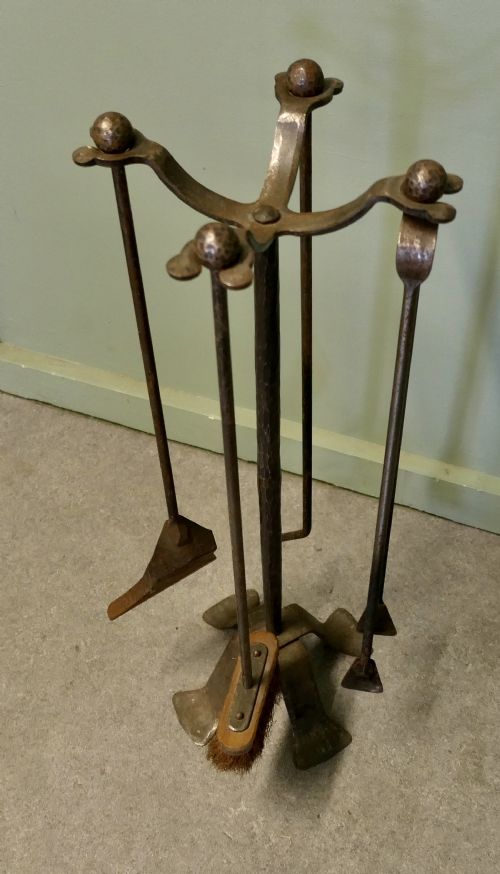
- A matched collection of fireplace tools, including pokers, tongs, and shovels, usually hung from a heavy stand or rest.
- Andirons
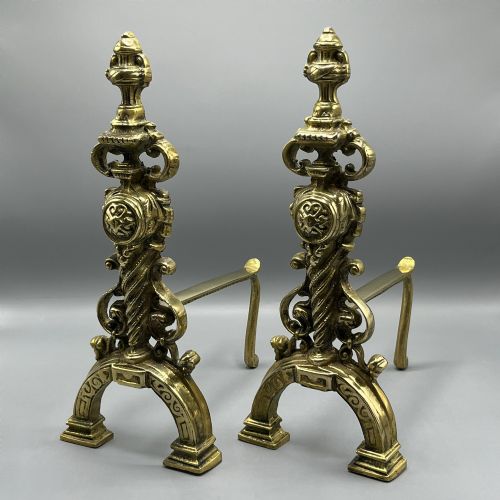
- Horizontal metal bars supported by legs, placed in a hearth to raise logs off the floor for better airflow. They often feature decorative cast fronts.
Heavy Iron Stand: Frequently Asked Questions
Where were umbrella stands placed?
Umbrella and stick stands typically sat in entrance halls, vestibules, and boot rooms of large homes to catch water and mud from walking accessories.
Their heavy construction ensured the stands remained stable when loaded with wet timber walking sticks and heavy umbrellas.
How do you clean cast iron?
Dusting with a dry cloth removes surface particles without damaging the underlying metal or paint finishes. Avoid harsh chemical cleaners that strip original patination.
Applying a light coat of protective wax preserves the surface texture on indoor decorative metalwork.
What is a boot scraper?
A boot scraper is a fixed metal blade positioned outside doorways to clean mud and dirt from footwear. They became essential street furniture and entrance accessories during the nineteenth century.
Many examples incorporate heavy iron bases that stood independently without requiring permanent ground installation.
How do you date ironwork?
Dating relies on stylistic markers, casting techniques, and recorded workshop designs from periods such as the Victorian era and early twentieth century. Heavier castings often correspond to mid-nineteenth-century industrial production methods.
Maker marks and registration numbers cast into the metal provide direct evidence of origin and production year.