



Heavy Iron Lion
A heavy iron lion brings substance to a room, standing as a fierce guardian beside a hearth or holding open a heavy door.
Heavy Iron Lion
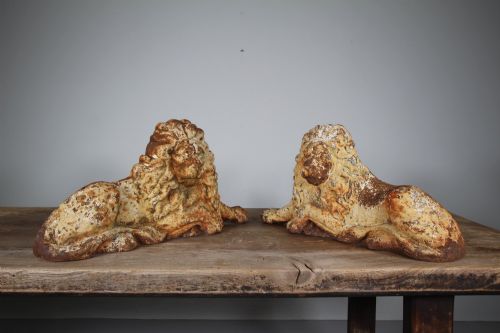
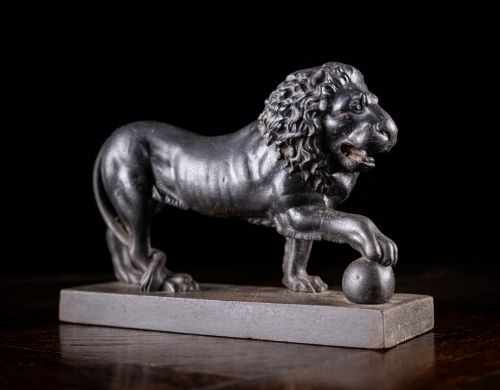
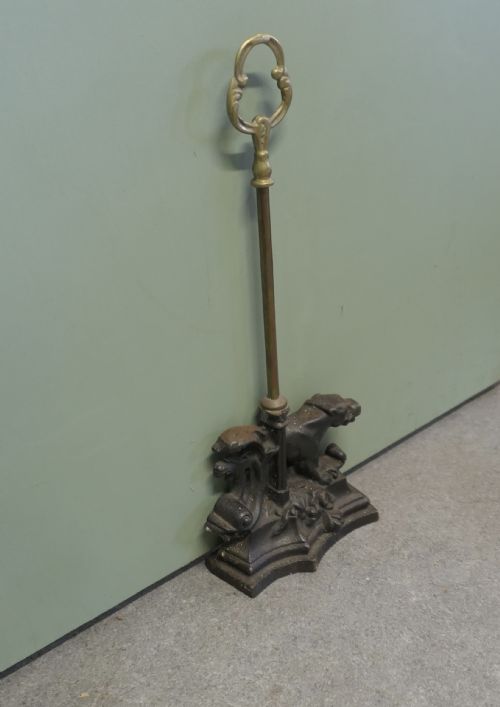
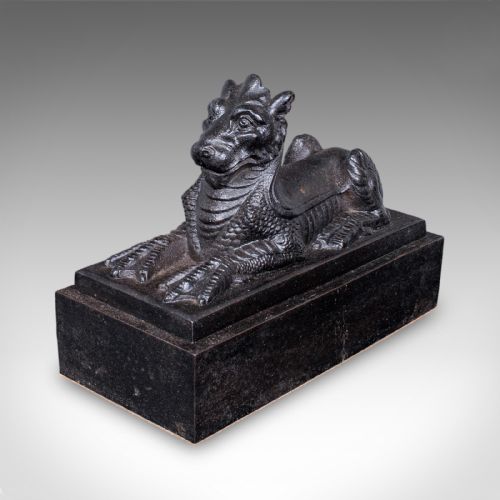
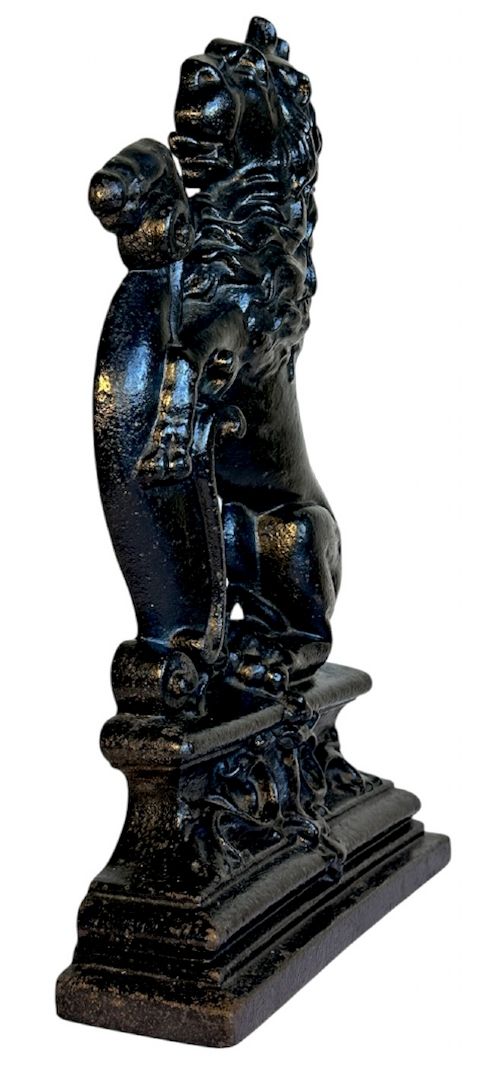
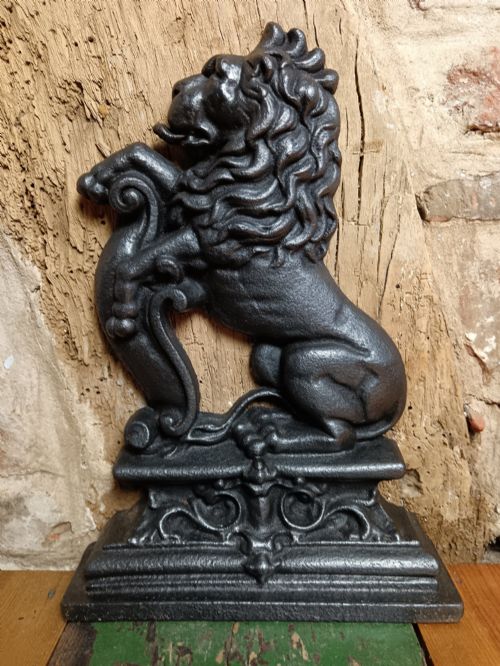
When you search for a heavy iron lion, you are looking at robust metal castings shaped into the form of the king of beasts, primarily originating from the Victorian period. These pieces frequently take the form of functional household objects such as doorstops, door porters, firebacks, and boot scrapers.
The version you are most likely to meet on this page is the Victorian cast iron rampant lion doorstop, often modeled standing upright with a majestic bearing. Alongside these, fireplace accessories and architectural elements like firebacks and crests appear in iron, occasionally accompanied by oak or brass elements.
The historical spread stretches from Georgian examples through Victorian Gothic Revival and Neo-Classical interpretations up to the early twentieth century. Each object combines utility with domestic heraldry, serving as both a practical weight and a decorative sculpture.
How they were made
These objects rely on traditional metal founding techniques, utilising molten metal poured into sand moulds to capture the muscular form and mane of the lion. Cast iron provides the necessary weight and durability required for items meant to hold doors or withstand hearth temperatures.
Surface finish is often achieved through original paint or blacking applied to the iron to protect against rust and highlight relief details. Some examples incorporate contrasting materials such as brass fittings, oak timber tops, or integrated fire grates.
Heavy Iron Lion Retail Price Guide 2026
Typical asking prices for heavy iron lion among the pieces listed under this phrase on Sellingantiques today, from the lower quarter to the upper quarter. They describe what is for sale here now, not the wider market.
Object forms include doorstops, firebacks, boot scrapers, and coffee table bases.
What varies in quality
Weight and stability also separate the range, with solid, substantial castings offering better performance as door porters or firebacks. The integrity of the original surface, whether painted or bare iron, dictates the visual character of the piece.
The Heavy Iron Lion Glossary
- Doorstop
- A heavy movable object used to hold a door open, often styled as an animal or heraldic figure. In iron, this weight ensures the door stays firmly in place.
- Fireback
- A heavy iron plate placed at the back of an open fireplace to reflect heat into the room and protect the masonry. These often feature heraldic designs and crests.
- Rampant
- A heraldic term describing an animal standing on its hind legs with forepaws raised in a striking posture. This is the common stance for lions on doorstops.
- Boot scraper
- A stationary iron blade or fixture mounted near an entryway to clean mud from footwear. They frequently incorporate sturdy animal motifs.
- Gothic Revival
- An architectural and decorative style drawing inspiration from medieval forms, appearing in Victorian ironwork through pointed arches and ecclesiastical details.
Heavy Iron Lion: Frequently Asked Questions
How heavy is a heavy iron lion?
These items vary in weight depending on their specific function, ranging from modest doorstops to substantial fireplace backs and furniture bases.
Because they were cast solid from iron to perform tasks like holding doors or facing hearths, even smaller examples carry considerable heft.
Where should I place a doorstop?
A cast iron lion doorstop sits naturally beside interior doors, heavy hallways, or studies where doors need to remain open.
Ensure the floor surface is suitable for heavy metal objects to avoid scratching delicate wood or stone.
How do I care for cast iron?
Keep cast iron dry and free from moisture to prevent surface oxidation and rust from forming over time.
A light application of wax or oil can help protect painted or bare iron surfaces without altering their appearance.
What is an armorial fireback?
An armorial fireback is a heavy iron plate bearing a coat of arms or royal crest designed for placement inside a fireplace.
Beyond decoration, it absorbs and radiates heat back into the room while shielding the brickwork from direct flames.