




Heavy Iron Bound Coffer
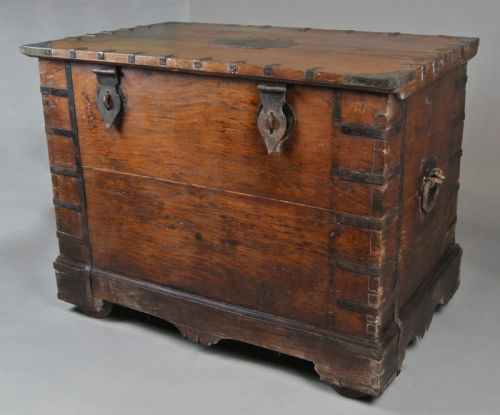
A heavy iron bound coffer is a robust storage piece built from timber and reinforced with metal bands to withstand transport and secure valuables.

Heavy Iron Bound Coffer
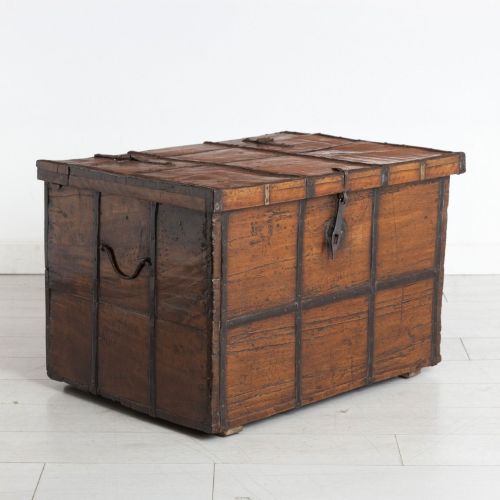
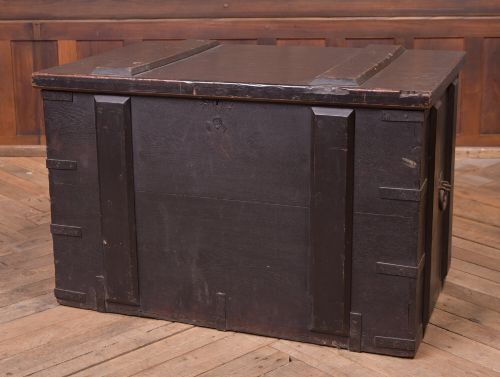
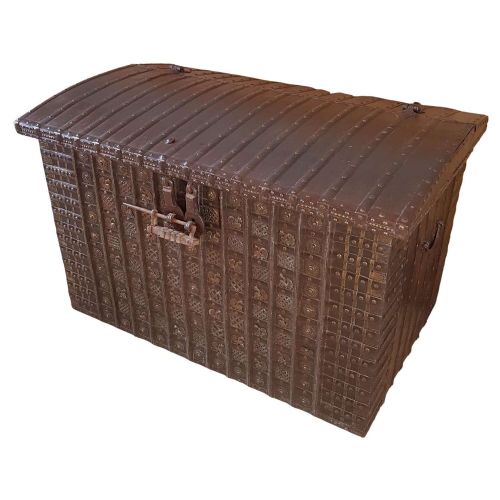
A heavy iron bound coffer is a robust storage piece designed for security and transport, appearing across multiple eras from the sixteenth century onwards. When you search for a heavy iron bound coffer, you encounter English oak silver chests, Indian hardwood trunks, and European dowry boxes.
The pieces on this page span domestic silver chests in oak and pine alongside regional forms such as Rajasthani damchiyas and Anglo-Indian trunks in teak. These boxes served various practical roles, from safeguarding household plate on country house estates to carrying equipment on military campaigns.
Construction and materials
Construction relies on solid timbers such as oak, teak, pine, and mahogany, chosen for density and durability. Carpenters joined board frames with dovetail or finger joints to withstand the heavy stresses of travel and daily use.
Blacksmiths and metalworkers reinforced these wooden carcasses with wrought iron, steel, or brass strapwork, corner brackets, and carrying handles. Heavy straps were riveted directly through the timber to bind the structure securely together.
Heavy Iron Bound Coffer Retail Price Guide 2026
Typical asking prices for heavy iron bound coffer among the pieces listed under this phrase on Sellingantiques today, from the lower quarter to the upper quarter. They describe what is for sale here now, not the wider market.
Some nineteenth-century French elm boxes retain their original carrying hoops designed specifically for hauling cannonballs across uneven ground.
Assessing build quality
Quality rests in the precision of the carpentry and the weight of the metal reinforcement. Superior pieces utilise thick oak or teak planks joined cleanly, paired with hand-hammered iron strapwork that sits flush against the wood.
The sophistication of the locking mechanism distinguishes standard utilitarian boxes from finer examples. Elaborate internal lever locks, complex hasps, and original working keys elevate the status of a piece beyond basic storage.
H D Dean
The Heavy Iron Bound Coffer Glossary
- Coffer
- A large wooden chest used for storing valuables, typically featuring a hinged lid and reinforced construction.
- Silver chest
- A heavy compartmented box lined to protect domestic silverware during transport and storage in large houses.
- Strapwork
- Ornamental or reinforcing bands of iron, steel, or brass applied across the exterior of a trunk or chest.
- Hasps
- A slotted metal plate that fits over a staple and is secured with a pin or lock.
- Damchiya
- A traditional Indian dowry chest characterised by low proportions and heavy decorative iron banding.
Heavy Iron Bound Coffer: Frequently Asked Questions
What were heavy iron bound coffers used for?
These pieces served primarily for the secure storage and transport of valuable possessions such as silver, documents, and clothing. Wealthy households utilised them for silver service while military officers and travellers packed them for long journeys.
In regional contexts, similar trunks functioned as dowry chests for household goods or as strongboxes for coin and trade items. Their rigid construction protected contents from theft, moisture, and rough handling during transit.
How do I date a heavy iron bound coffer?
Dating relies on examining the timber species, construction methods, and hardware styles. Sixteenth-century examples often feature Nuremberg ironwork and heavy hand-forged locking mechanisms, whereas nineteenth-century pieces frequently display machine-rolled iron bands and oak carcases.
Secondary woods, nail types, and hinge designs offer further clues to the period of origin. English silver chests commonly display Victorian or Georgian proportions, while colonial and Indian pieces reflect nineteenth-century trade styles.
Where should I place a heavy iron bound coffer at home?
These substantial boxes anchor a room well when placed in a hallway, at the foot of a bed, or used as a coffee table in a living space. Their robust build allows them to function as practical furniture that simultaneously provides hidden storage.
Because these pieces are heavy, select a permanent or semi-permanent spot before loading them with items. Ensure they sit away from direct heat sources to prevent the timber from drying out and splitting.
How do I care for the iron and wood?
Maintain the timber by applying a traditional wax polish occasionally to nourish the grain and protect against dryness. Dust the surface regularly with a soft cloth rather than using wet cleaners that could damage the finish.
Keep the iron strapwork clean and free from moisture to prevent active oxidation. A light application of microcrystalline wax on the metal parts helps preserve the surface without leaving a sticky residue.