








Heavy Glass Goblets
These heavy glass goblets bring substance and historical presence to the table, offering tactile weight and solid craftsmanship that collectors seek for display and use.
Heavy Glass Goblets
How they were made
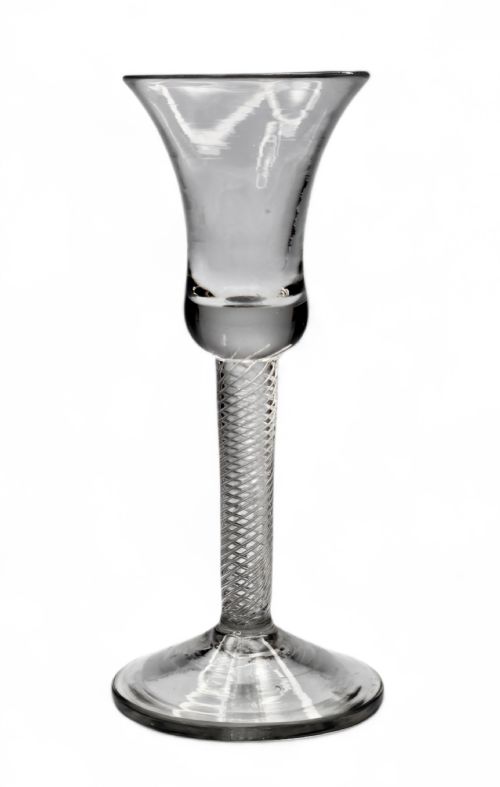
The pieces on this page are fashioned from hand-blown glass, lead glass, and lead crystal, which provide the material density characteristic of the period. Artisans utilised techniques such as multiple spiral air twists and teardrop stem formations during the manufacturing process.
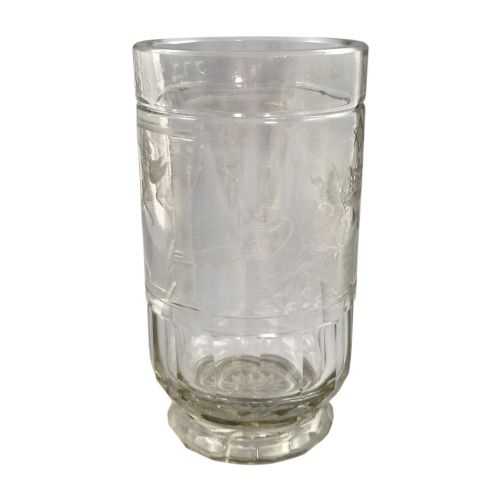
Specialised structural elements, including lemon squeezer bases and baluster stems, give these drinking vessels their characteristic heft. Engraving is also applied to surfaces on rummers and ceremonial beakers.
Heavy Glass Goblets Retail Price Guide 2026
Typical asking prices for heavy glass goblets among the pieces listed under this phrase on Sellingantiques today, from the lower quarter to the upper quarter. They describe what is for sale here now, not the wider market.
Object forms recorded on this page include rummers, dram glasses, baluster wine goblets, and ceremonial beakers.
What varies in quality
Quality in these drinking vessels rests upon the clarity of the material and the crispness of the hand-blown form. Pieces displaying exceptional material purity and well-defined stem structures stand apart from standard utilitarian items.
The execution of decorative elements, such as wheel engraving and balanced proportions on heavy baluster stems, dictates the distinction between standard tavern glasses and exhibition-grade ceremonial beakers.
The Heavy Glass Goblets Glossary
- Rummer
- A large, heavy drinking glass popular in the eighteenth and nineteenth centuries, often used for ale or wine. These sturdy vessels typically feature thick bowls and short stems.
- Baluster stem
- A heavy, thick stem shape resembling a small architectural baluster, common on eighteenth-century drinking glasses. This form adds significant weight to the lower portion of the vessel.
- Lemon squeezer base
- A square, pressed glass base with sloping sides resembling a kitchen lemon squeezer, found on nineteenth-century pieces. It provides extra stability for substantial rummers.
- Lead crystal
- Glass containing a high proportion of lead oxide, known for its brilliance and weight. This material allows for deep cutting and exceptional clarity.
- Multiple Spiral Air Twist
- A decorative optical effect inside a glass stem created by drawing out tiny air bubbles during manufacture. It forms intricate corkscrew threads within the solid metal.
Heavy Glass Goblets: Frequently Asked Questions
What is a rummer glass?
A rummer is a robust, large drinking vessel designed for everyday dining or tavern use during the Georgian and Victorian eras. They typically feature deep bowls suited for ale, wine, or punch.
These glasses are easily identified by their thick walls and heavy bases, which set them apart from delicate wine stemware of the same periods.
How do I care for heavy glass goblets?
Wash these pieces by hand in warm water using mild detergent, avoiding sudden temperature changes to protect the historic material. Cushion the sink with a towel to prevent chipping the heavy bases.
Store them upright on a stable shelf rather than hanging them by their rims, given the substantial weight of the bowls.
Are these glasses safe for daily use?
Many historical drinking vessels remain durable enough for occasional use at the table, provided they are handled with care. Their thick lead glass construction makes them sturdier than fine porcelain or thin crystal.
Examine each piece for structural stability before serving drinks, ensuring no historical repairs or cracks compromise the bowl.
How can I tell Georgian from Victorian glass?
Georgian glass often displays simpler baluster forms, air twists, and pontil marks on the underside from hand-blowing. The metal frequently shows a softer greyish clarity characteristic of eighteenth-century batches.
Victorian pieces tend toward heavier pressed elements like lemon squeezer bases, larger rummer forms, and more extensive wheel engraving reflecting nineteenth-century manufacturing methods.