



Heavy Gauge Copper
Heavy gauge copper pieces are substantial utilitarian vessels built for hearth and kitchen, prized for their thermal conductivity and enduring physical weight.
Heavy Gauge Copper
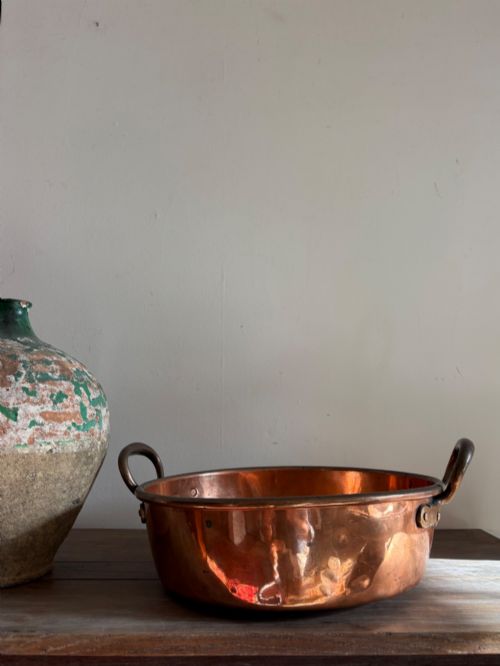
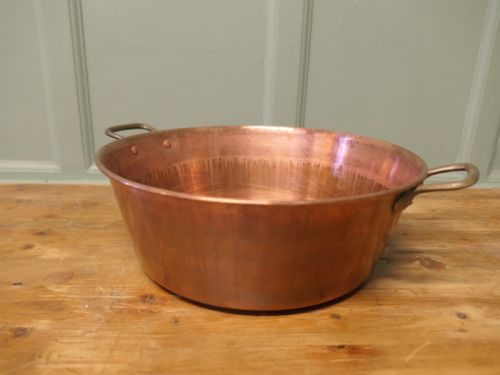
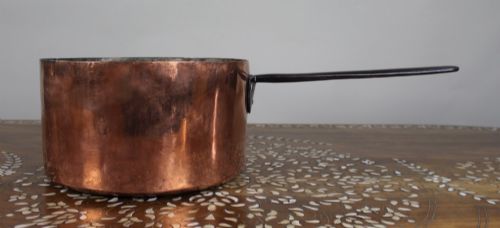
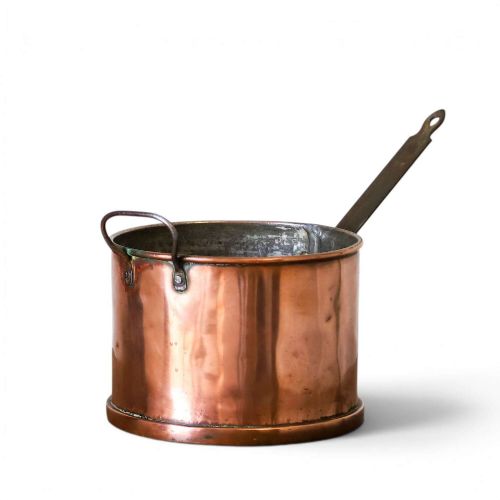
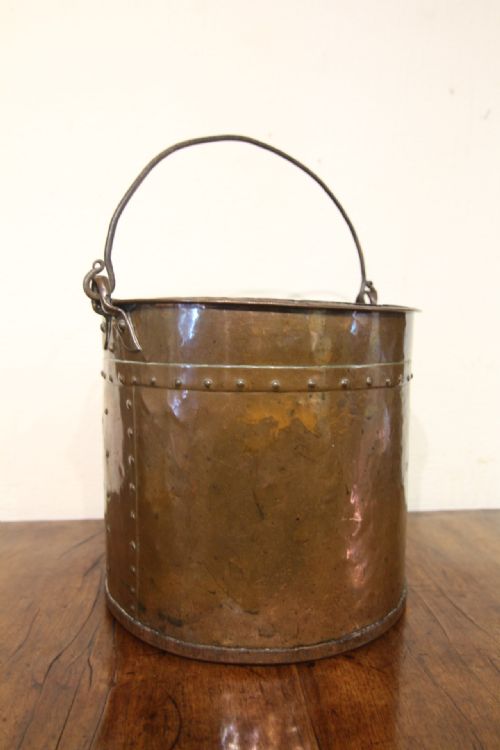
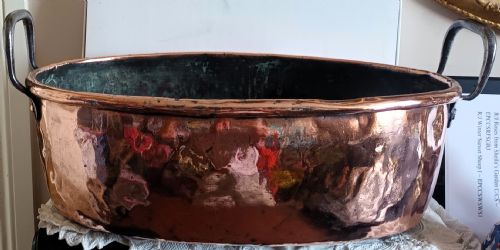
Heavy gauge copper encompasses functional vessels designed for the kitchen, dairy, and hearth from the Georgian, Victorian, and nineteenth-century periods. You will regularly encounter preserve pans, saucepans, cream setting pans, and coal buckets among these listings.
The domestic kitchenware ranges from single large saucepans to sets of pans and specialised vessels like fish kettles. Utility extends to fireside accessories, including log bins, cauldrons, and coal bins constructed with thick metal walls.
Origins span English and French workshops, utilising robust construction methods suited to heavy daily use. These survivors of nineteenth-century domestic life retain their utilitarian forms while transitioning into decorative interior roles.
What varies in quality
Quality rests in the original thickness of the metal sheet and the integrity of the hand-beaten contours. Vessels formed from heavier gauge sheet metal maintain greater structural rigidity and resistance to warping under heat.
The refinement of the hand-beating marks and the neatness of the riveted seams distinguish domestic utility work from finer kitchen pieces. Original wrought iron handles and authentic makers' stamps add historical weight to individual vessels.
Heavy Gauge Copper Retail Price Guide 2026
Typical asking prices for heavy gauge copper among the pieces listed under this phrase on Sellingantiques today, from the lower quarter to the upper quarter. They describe what is for sale here now, not the wider market.
Listings feature copper combined with brass, iron, tin, and wrought iron across Georgian and Victorian periods.
The Heavy Gauge Copper Glossary
- Heavy gauge
- Describes metal of substantial thickness and physical weight, selected for durability in demanding kitchen and hearth environments.
- Cream setting pan
- A wide, shallow vessel used in dairies to allow cream to rise to the surface of milk before skimming.
- Preserve pan
- A deep, round-bottomed pot designed for boiling fruit and sugar, typically featuring strong handles for lifting heavy contents.
- Fish kettle
- An elongated metal vessel with a fitted lid and internal drainer, built for poaching whole fish.
- Grape hod
- A large carrying vessel designed for harvesting grapes in vineyards, constructed from heavy metal with sturdy handles.
Heavy Gauge Copper: Frequently Asked Questions
What was heavy gauge copper used for?
These vessels served heavy domestic and agricultural duties, ranging from boiling preserves and setting dairy cream to heating water and holding coal by the hearth.
Their thick metal walls distributed heat evenly during long cooking processes and withstood the heavy physical demands of nineteenth-century households.
How do I clean old copper?
Most collectors prefer to maintain a warm natural patina rather than polishing pieces to a bright shine. Gentle washing with mild soap and warm water removes surface dust without stripping the character built over centuries.
Are these pans safe for modern cooking?
Many antique copper pans require relining with tin before they can safely come into contact with food. Many buyers choose to display them as decorative objects or store them in kitchens rather than using them on modern hobs.
How can I tell a Victorian pan from a Georgian one?
Georgian pieces often display simpler, heavier hand-forged handles and distinct hammering patterns associated with earlier workshop production. Victorian examples frequently show more standardised riveted construction and may include stamped maker details.