
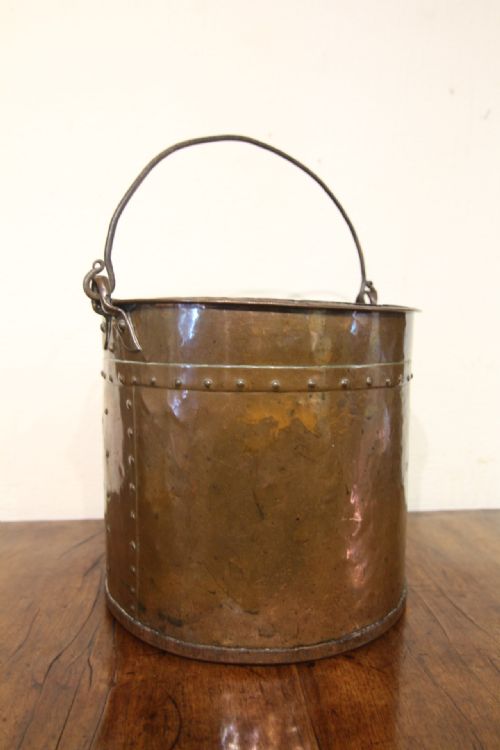


Heavy Copper Pot
A heavy copper pot brings tangible warmth and solid history to a room, serving as a functional vessel or a striking display piece.
Heavy Copper Pot
A heavy copper pot embodies robust utility from past centuries, designed originally for serious kitchen tasks or domestic hearths. Buyers seeking a heavy copper pot will find utilitarian objects shaped by the demands of Georgian and Victorian households.
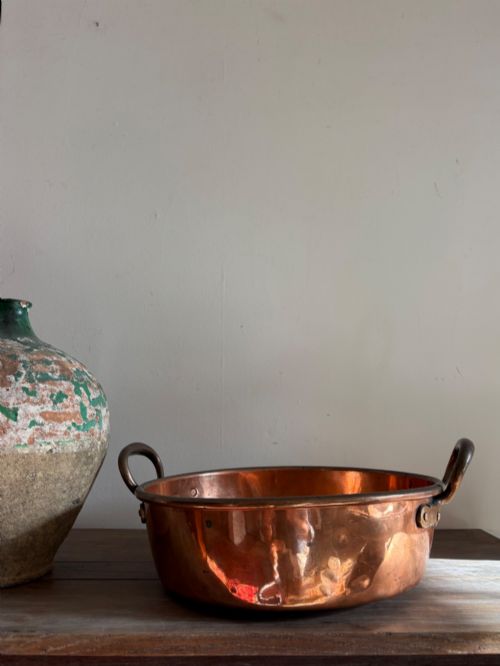
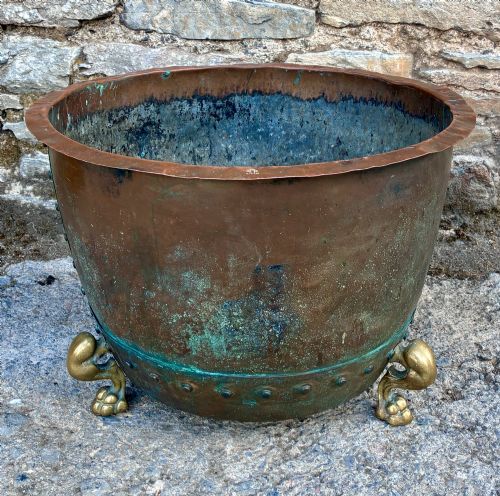
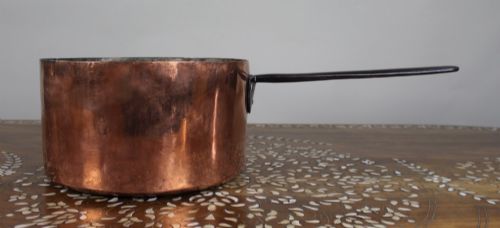
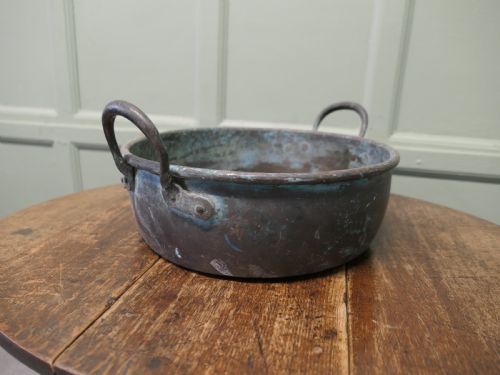
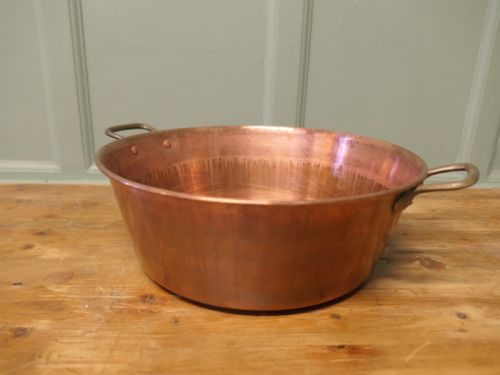
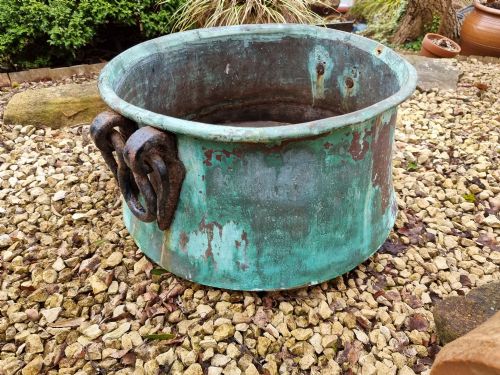
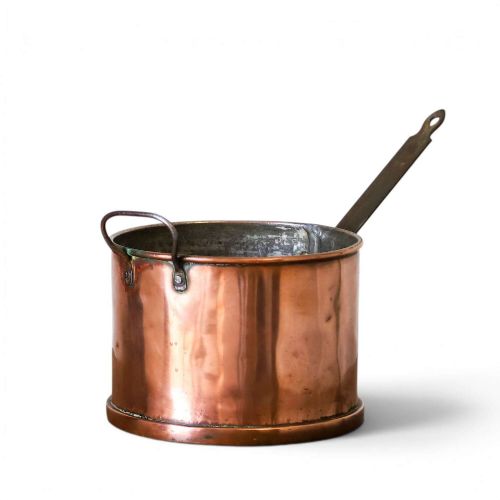
The pieces appearing on this page span several distinct forms, including preserve pans, saucepans, cauldrons, boilers, and log bins. Preserve pans and large cooking vessels dominate the selection, often featuring dual handles and substantial metal gauges.
Origins stretch from English country kitchens to French provincial workshops, incorporating periods such as the Georgian era and the wider nineteenth century. These vessels transitioned from hardworking kitchen implements to decorative planters and fireside accessories.
How They Were Made
Construction relies heavily on thick-gauge copper sheets, hammered or beaten by hand to achieve the required depth and structural rigidity. Metalworkers joined seams using visible rivets, securing handles made from brass, iron, or wrought iron to withstand intense heat and heavy loads.
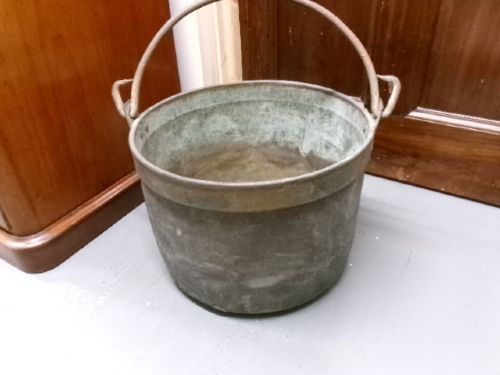
Iron components, including swing handles and bail attachments, provide sturdy support for vessels designed to hold liquids or dense materials. Tin linings were traditionally applied to the interior surfaces of cooking pans to prevent food from reacting directly with the copper.
Surface treatments develop naturally over decades through oxidation and use, resulting in patinas that range from polished warmth to verdigris finishes. Surviving examples display the hammer marks of individual makers, recording the physical labour involved in their creation.
Some nineteenth-century grain measures clearly worked hard before retiring to the garden, carrying dents from honest knocks that no modern factory could replicate.
What Varies In Quality
Wall thickness dictates the substantive quality of each vessel, separating thin decorative items from heavy-gauge kitchenware intended for daily fire use. The weight of the metal directly reflects the durability and original purpose of the object.
The integrity of the construction details, such as hand-beaten seams, tightly set copper rivets, and securely anchored handles, separates utilitarian masterpieces from standard production wares. Maker stamps or specific regional forms also elevate the standing of individual pieces.
Surface preservation and original patina contribute to the visual distinction of a vessel. Examples retaining their structural soundness alongside honest signs of historical use hold greater presence than heavily restored or overly polished items.
Hodges And Sons·Liptons
The Heavy Copper Pot Glossary
- Verdigris
- A green patina that forms naturally on copper surfaces over time through atmospheric exposure. This oxidation process creates characteristic blue-green colour variations across the metal.
- Preserve pan
- A wide, shallow cooking vessel designed for boiling fruit and sugar. These pans typically feature flat bases and double handles for steady lifting.
- Dinanderie
- Objects made of brass, copper, or bronze, named after the Belgian town of Dinant. The term covers decorative and utilitarian metalwork produced in these alloys.
- Bail handle
- A curved metal handle attached to opposite sides of a pot or cauldron. Wrought iron versions are frequently found on heavy nineteenth-century vessels.
- Gauge
- The thickness of the sheet metal used to form the body of a pot. Heavy-gauge metal indicates a robust build meant for demanding kitchen environments.
Heavy Copper Pot: Frequently Asked Questions
What were heavy copper pots used for?
These vessels served demanding domestic tasks such as boiling large quantities of preserves, heating water, and simmering stews over open hearths or ranges. Their thick walls distributed heat evenly, preventing scorching during long cooking processes.
Over time, many of these hard-working kitchen items transitioned into domestic roles as fireside log bins or garden planters. Their sturdy construction made them ideal for holding heavy loads of wood or soil.
How do I clean a copper pot?
Maintenance depends entirely on whether you wish to preserve the aged patina or restore a bright metallic shine. Traditional copper cleaners or lemon and salt mixtures lift tarnish effectively without damaging the underlying metal.
Avoid harsh abrasives that can scour the surface and erase historical tool marks. Many collectors prefer to leave oxidation and verdigris untouched to honour the age of the piece.
Can I still cook with antique copper?
Using vintage cookware for food preparation requires checking the interior lining for wear. Traditional tin linings must remain intact to prevent copper from leaching into acidic ingredients.
Many surviving pieces are best reserved for display, planting, or holding dry items unless a professional has re-tinned the interior surface.
How do I tell Georgian copper from Victorian?
Georgian pieces often display simpler, heavier forms with hand-hammered surfaces and distinct joinery techniques characteristic of eighteenth-century workshops. Handles and rims tend to show primitive forging methods.
Victorian examples frequently incorporate standardised manufacturing improvements, alongside maker stamps and refined riveting patterns. Stylistic shifts toward decorative finishes also mark the later nineteenth-century period.