


Heavy Cast Bell
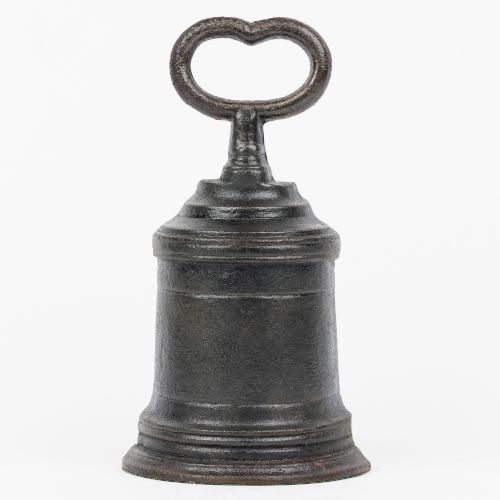
These heavy cast bell examples are substantial items of metalwork built to sound loud and clear through the centuries.
Heavy Cast Bell
A heavy cast bell is a solid metal object designed primarily to produce a ringing tone through the striking of a clapper against its interior wall. The heavy cast bell selection on this page ranges across centuries of domestic, institutional, and maritime use.
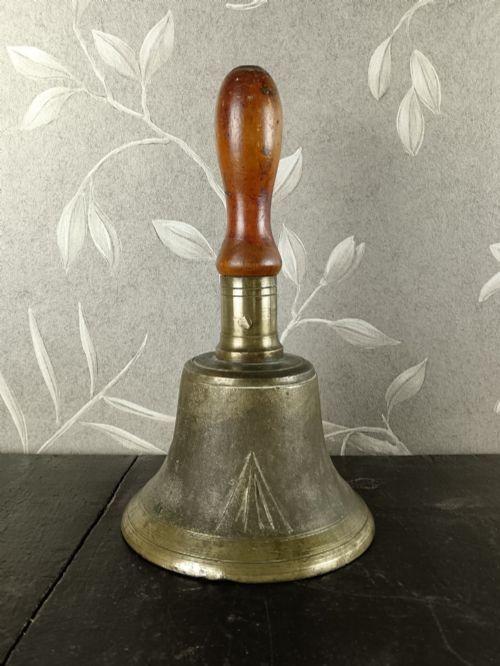
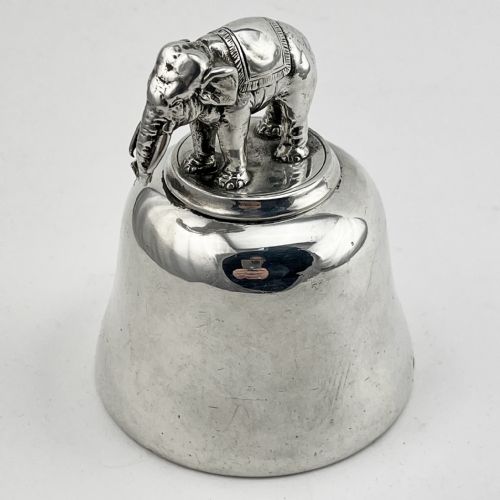
Buyers will encounter items spanning the eighteenth, nineteenth, and twentieth centuries, fashioned in forms such as handbells, table bells, hanging bells, and ships bells. Materials include bronze, brass, bell metal, and sterling silver, reflecting both functional service and decorative placement.
The assortment includes related utilitarian items like bronze mortars and pestles alongside door stops, showing how metal casting techniques served varied household and military purposes over time.
How they were made
These pieces are produced through metal casting methods, where molten bronze, brass, or bell metal is poured into prepared moulds. The alloy composition of copper and tin, known as bell metal, is chosen specifically for its resonance and durability.
Finishing work involves turning or smoothing the cast metal surfaces, and in some instances attaching hardwood handles or mounting loops. Sterling silver pieces are formed through smithing and casting, often bearing hallmarks that record their testing and standard.
Period examples range from the seventeen hundreds through Victorian styles and into twentieth-century British military production.
What varies in quality
Quality in these metal objects rests upon the purity and thickness of the alloy, which directly governs the resonance and sustain of the tone produced. A well-cast piece distributes metal evenly across the sound bow to project sound cleanly without distortion.
The crispness of decorative detail and the integrity of the original handle or mounting mechanism distinguish finer examples. Maker marks, military broad arrows, or clear silver hallmarks add documentary value to the physical execution of the casting.
Asprey
The Heavy Cast Bell Glossary
- Bell metal
- An alloy of copper and tin traditionally used for casting bells to achieve maximum resonance and structural strength. It contains a higher proportion of tin than standard bronze.
- Bronze
- A copper alloy typically combined with tin, prized for its durability and resistance to corrosion in heavy cast items. It forms the primary material for many older mortars and bells.
- Mortar and pestle
- A heavy bowl and club-like tool used for grinding and mixing substances. Bronze examples appear frequently alongside bells due to shared casting traditions.
- Hallmark
- An official stamp applied to precious metals indicating the standard of purity and the assay office. Sterling silver table bells often feature these marks.
- Sound bow
- The thickest part of a bell where the clapper strikes to produce the principal tone. Its mass determines the volume and pitch of the ring.
Heavy Cast Bell: Frequently Asked Questions
What is bell metal?
Bell metal is a specific bronze alloy containing a high proportion of tin, formulated to give maximum resonance when struck.
This composition allows the heavy cast bell to produce a loud, clear tone that carries over a long distance.
How are ships bells dated?
Ships bells are typically dated through a combination of style, cast inscriptions, and mounting hardware.
Evidence from nineteenth-century pieces shows that maritime bells often bear specific dates or military broad arrows indicating their period of service.
Why include mortars with bells?
Bronze mortars and pestles are included because they share the same heavy metal casting techniques used for bells.
Both types of object rely on durable copper alloys shaped in moulds during the seventeenth and eighteenth centuries.