

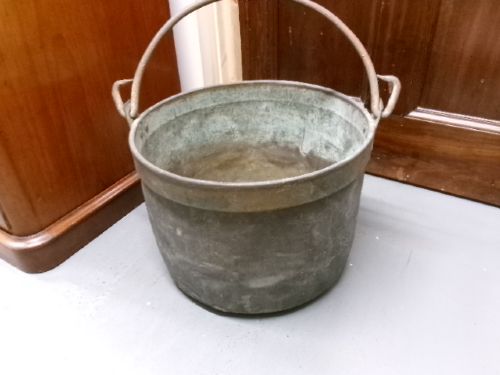
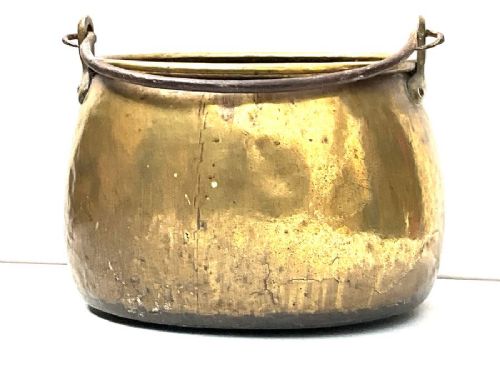


Heavy Brass Handle Pot
A heavy brass handle pot brings substantial warmth and utility to a room, drawing the eye with rich metalwork.
Heavy Brass Handle Pot
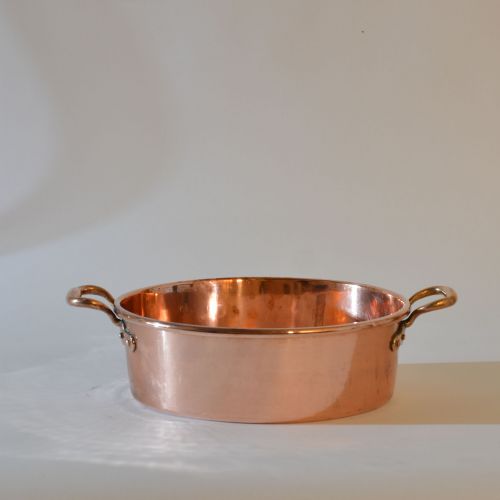
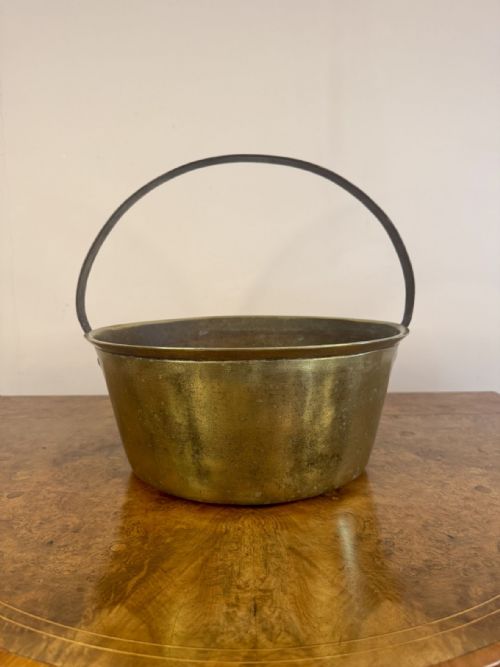
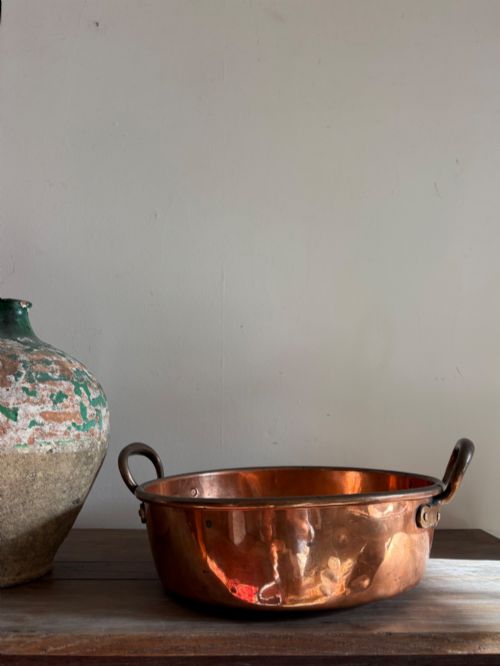
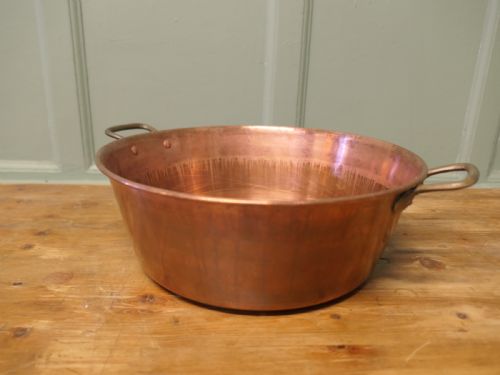
The selection on this page leans heavily toward utilitarian forms like preserve pans, cauldrons, and saucepans. These pieces combine robust metal construction with functional handles, reflecting the practical demands of historic kitchens and hearths.
Beyond active cookware, the range includes decorative vessels repurposed for the home, such as log bins and jardinières. Each object bridges historic utility and decorative appeal, offering a tangible connection to traditional metalworking.
How they were made
Makers shaped these pots primarily from heavy sheets or castings of brass and copper, sometimes integrating iron for strength. Metalworkers utilised riveting to secure handles firmly to the body, ensuring the vessels could bear substantial weight during use.
Surfaces often display the distinctive textures of hand-hammered production or mottled casting marks left by traditional foundry methods. Swing handles and fixed brackets were forged to withstand the rigours of open hearths and busy kitchens.
Heavy Brass Handle Pot Retail Price Guide 2026
Typical asking prices for heavy brass handle pot among the pieces listed under this phrase on Sellingantiques today, from the lower quarter to the upper quarter. They describe what is for sale here now, not the wider market.
Some heavy preserve pans retain the faint, sweet scent of centuries-old fruit jams baked deep into their metal pores.
What varies in quality
Substantial metal thickness and balanced proportions distinguish finer examples from standard utility wares. Weight plays a primary role, with heavier specimens indicating superior material substance and sturdier construction.
The refinement of the handle attachment and the finish of the metal surface separate ordinary kitchen tools from exceptional display pieces. Well-preserved patination and purposeful form elevate the character of an individual vessel.
The Heavy Brass Handle Pot Glossary
- Preserve pan
- A wide, open vessel historically utilised for boiling fruit and sugar. These pans feature sturdy handles to manage heavy contents safely.
- Cauldron
- A deep, round-bottomed cooking pot equipped with a swing handle for hanging over a hearth fire. They often display robust three-legged or flat bases.
- Dinanderie
- An umbrella term for objects made of beaten brass or copper. This encompasses medieval and later hollowware, cauldrons, and decorative containers.
- Jardiniere
- An ornamental pot or stand designed to hold plants or flowers. In metalware, these often repurpose older cooking vessels for interior display.
Heavy Brass Handle Pot: Frequently Asked Questions
What were these pots used for?
Historic households utilised these heavy pots primarily for boiling large quantities of food, making preserves, or heating water over a hearth fire.
Over time, many of these durable vessels transitioned from active kitchen duties to domestic decoration, serving as planters or display pieces.
How do I clean a brass pot?
Cleaning depends entirely on whether you prefer a bright, polished finish or wish to preserve the dark, aged patination accumulated over centuries.
Gentle washing with warm soapy water removes dust and grime without stripping away the historic character of the metal.
Are these pots safe for cooking?
Many antique copper and brass vessels were lined with tin for safe food preparation, though historic linings often wear away with centuries of use.
Buyers intending to cook with these items should inspect the interior surface carefully and consider professional retinning if necessary.
How do I date a brass pot?
Dating relies on observing manufacturing techniques, such as the style of riveting, handle construction, and overall vessel form.
Georgian and Victorian pieces often exhibit distinct weight distributions, hand-finished surfaces, and specific handle mountings characteristic of their era.