



Heavy Brass Bowl
A heavy brass bowl carries centuries of metalworking heft, offering utilitarian permanence and rich material warmth for any room.
Heavy Brass Bowl
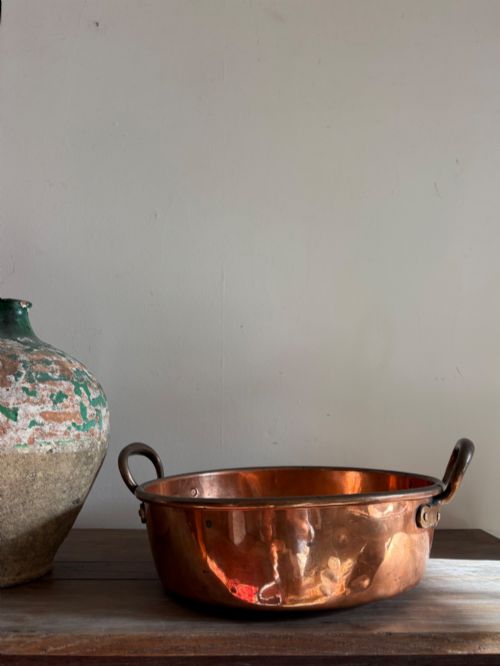
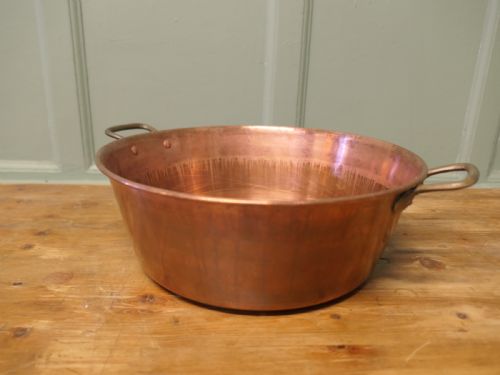
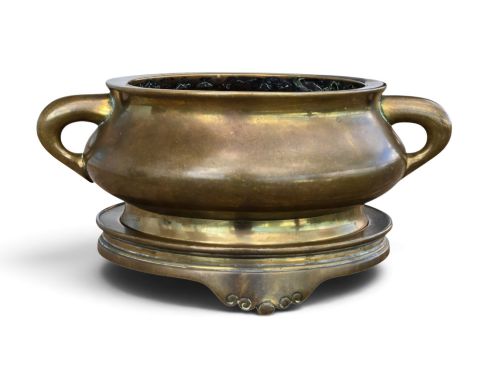
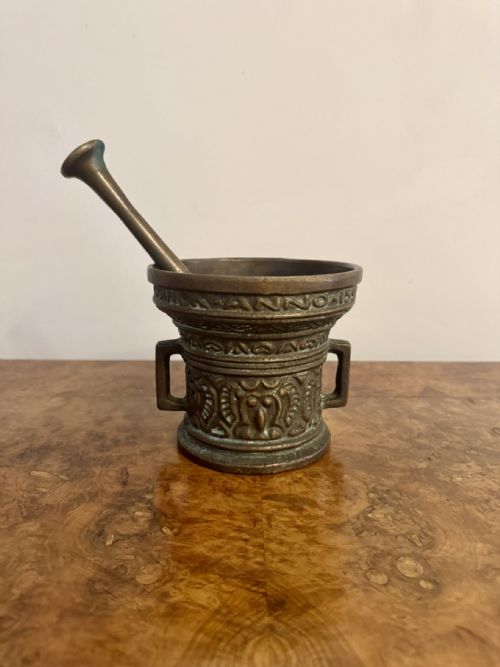
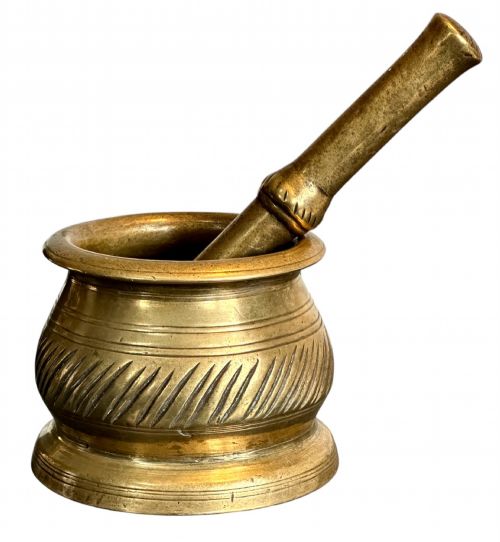
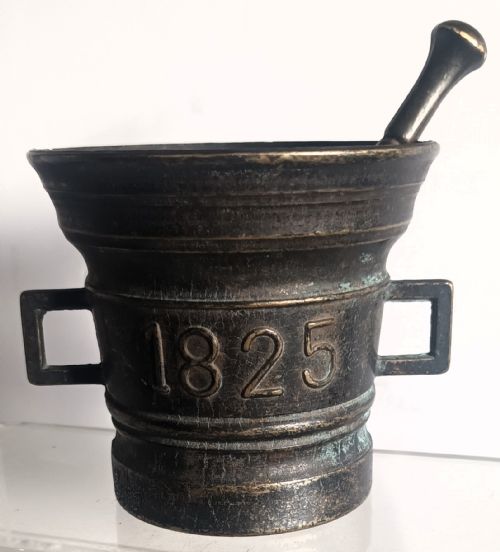
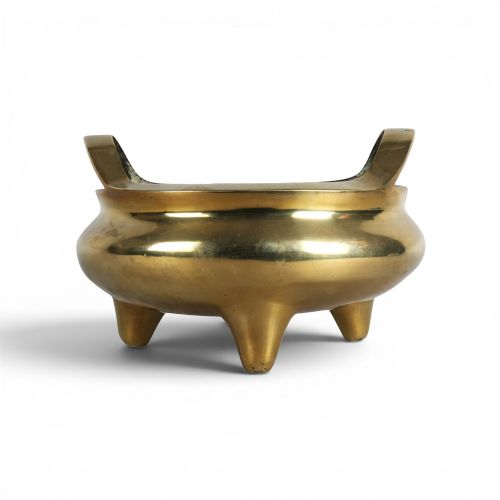
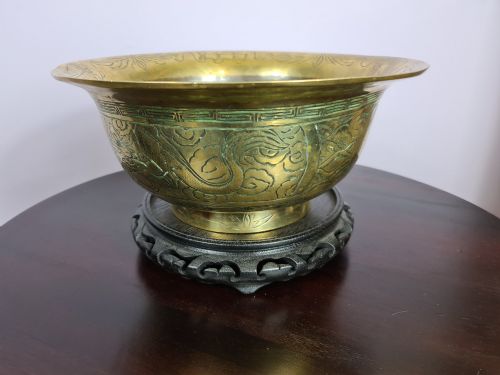
A heavy brass bowl encompasses substantial metal vessels originating from domestic, ritual, and apothecary settings across several centuries. When searching for a heavy brass bowl, collectors frequently encounter utilitarian kitchen pans, apothecary mortars, and decorative oriental jardinieres.
The pieces span from the seventeenth century through the Victorian era and early twentieth century, incorporating Chinese bronze censers and Georgian kitchenware alongside standard brass vessels. Form follows function closely, resulting in thick-walled vessels designed for pounding, preserving, or display.
English and oriental workshops dominate the selection, bringing together utilitarian domestic iron and copper alloys with finely cast bronze ceremonial objects. Each vessel reveals its specific period through weight distribution, rim shaping, and handle construction.
Materials and construction methods
Makers utilised durable copper alloys including brass, bronze, bell metal, and copper, often paired with iron handles or wooden elements. Metalworkers employed sand casting for thick mortar walls and ritual censers, while kitchen pans utilised beaten sheet copper joined with brass fittings.
Surface finishes range from left-rough casting textures to polished decorative patinas showing tool marks and age oxidation. The incorporation of heavy cast handles and matched pestles demonstrates robust construction intended for heavy daily service.
Heavy Brass Bowl Retail Price Guide 2026
Typical asking prices for heavy brass bowl among the pieces listed under this phrase on Sellingantiques today, from the lower quarter to the upper quarter. They describe what is for sale here now, not the wider market.
Some heavy mortar pestles retain the faint scars of centuries-old chemical grinding still trapped in their rough bronze bases.
Judging quality and integrity
Quality rests in the proportional thickness of the metal wall, the crispness of decorative casting, and the retention of original handles or matching pestles. Superior examples display balanced weight distribution and harmonious proportions rather than thin, pressed sheet metal.
The integrity of the surface metal, absence of structural splits, and authenticity of period marks or maker stamps elevate certain pieces. Age-appropriate wear and honest working patinas distinguish fine antique metalwork from later reproductions.
Hodges and Sons·Wu Bangzuo
The Heavy Brass Bowl Glossary
- Mortar
- A heavy bowl used with a pestle to crush or grind substances. Apothecary and kitchen mortars feature thick walls designed to absorb heavy impacts.
- Censer
- A vessel used for burning incense during rituals. These often feature tripod feet and archaistic bronze decoration.
- Preserve pan
- A large kitchen vessel designed for boiling fruit and sugar. They typically include sturdy loop handles for lifting heavy contents.
- Jardiniere
- An ornamental pot or bowl designed to hold plants or flowers. These often display decorative chasing or oriental motifs.
- Bell metal
- A hard alloy used for making bells and mortars. This specific bronze mixture produces a resonant tone when struck.
Heavy Brass Bowl: Frequently Asked Questions
How were these heavy bowls used?
These robust vessels served demanding practical roles in domestic kitchens, apothecary dispensaries, and ceremonial spaces.
Kitchen pans managed boiling preserves, while mortars ground heavy medical ingredients, and bronze vessels held ritual incense.
How do I clean an antique brass bowl?
Maintenance requires minimal intervention to preserve the historical surface oxidation and deep metallic patina built over centuries.
Gentle washing with warm soapy water removes surface dust without stripping the natural colour earned with age.
How can I tell the period of a bronze mortar?
Dating relies on wall thickness, tool marks from initial casting, and stylistic traits like Gothic or Georgian decorative bands.
Earlier seventeenth-century examples display heavier, rougher casting textures compared to more refined Victorian kitchenware.
Where should I display a heavy metal vessel?
Their substantial weight and warm metallic tones suit placement on sturdy tables, open shelving, or large hearths.
东方 jardinieres and heavy Chinese bronze bowls work well as standalone centrepieces or planters in living spaces.