


Heart Shaped Pendant
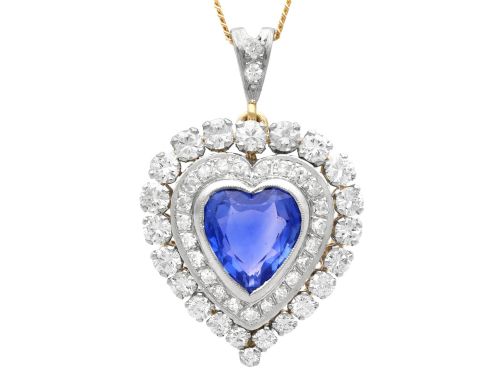
These heart shaped pendant pieces combine sentiment and ornament, spanning Edwardian, Victorian, and mid-century designs in gold, silver, and gemstones.
Heart Shaped Pendant
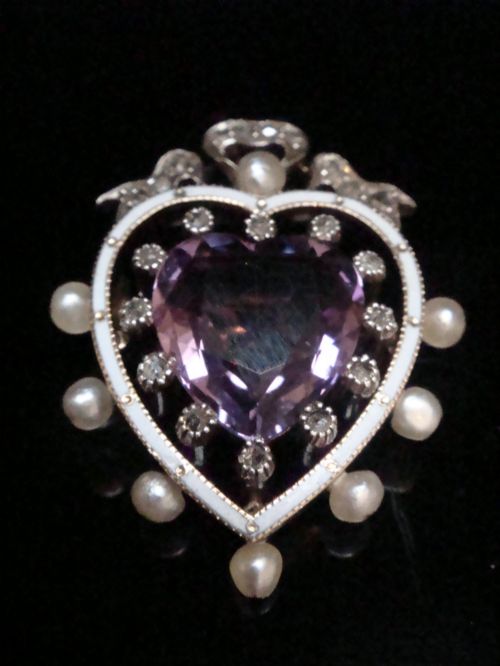
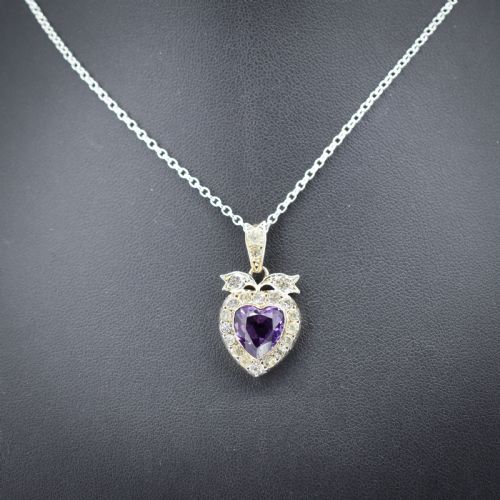
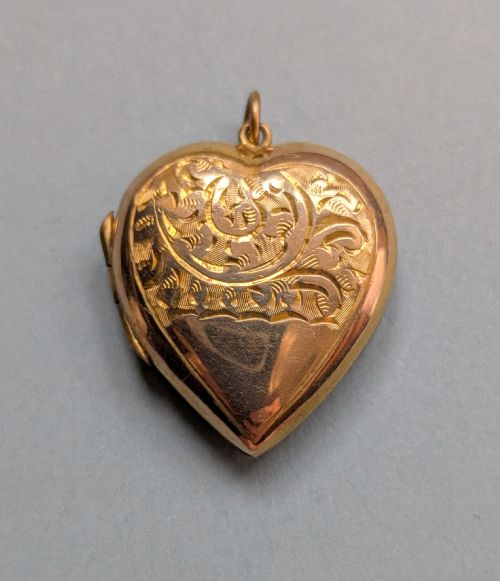
The most common examples you are likely to meet include Edwardian seed pearl and amethyst designs in yellow gold, alongside Victorian silver pieces and vintage nine-carat gold lockets. French regional styles and Turkmen tribal pieces also appear, demonstrating the breadth of forms this sentimental motif takes across different cultures and decades.
Materials and construction techniques
Makers utilised precious metals such as eighteen-carat gold, fifteen-carat gold, nine-carat gold, and sterling silver as the structural basis for these ornaments. Gemstones including amethyst, diamond, sapphire, opal, tourmaline, garnet, and citrine were set alongside natural pearls, seed pearls, and glass pastes.
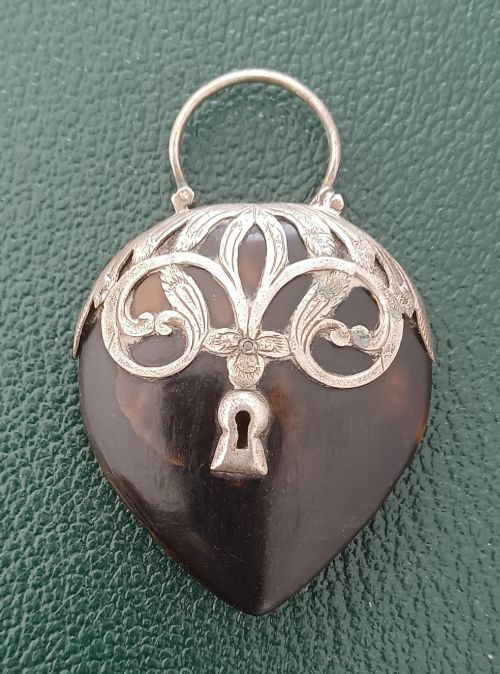
Surface decoration frequently involved guilloche enamel, intricate hand engraving, and tortoiseshell mounting. Construction methods ranged from hollow gold back and front lockets to solid silver cases and hinged sovereign holders.
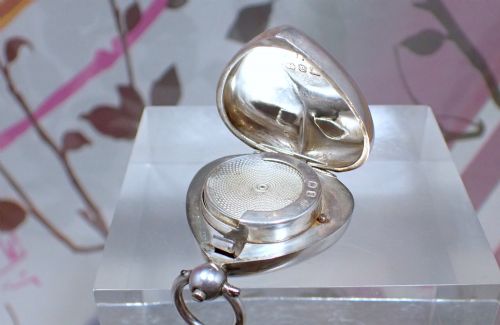
One unexpected variant serves as a sovereign holder, proving that even a pocketful of British coinage once required a romantic silhouette.
Distinctions in construction and material grade
The distinction between standard examples and superior pieces rests on the weight of the precious metal and the quality of the gemstones or enamel work. High-carat gold mounts, clean old-cut diamonds, and unblemished natural pearls elevate a piece beyond mass-produced gold back and front alternatives.
Execution of detail also separates the range, evident in the crispness of hand engraving on a locket or the precise application of guilloche enamel. Pieces retaining original components, such as integrated chains or working clasps, demonstrate superior preservation.
The Heart Shaped Pendant Glossary
- Guilloche enamel
- A decorative technique where a geometric pattern is engraved beneath a transparent layer of coloured enamel. This method was widely utilised on Edwardian gold pieces.
- Witch's heart
- A specific pendant design featuring an asymmetrical looped tail curving to one side, traditionally associated with love and protection.
- Sovereign holder
- A small container designed to securely hold gold sovereign coins, often fashioned into a heart shape during the Victorian period.
- Back and front
- A construction method where precious gold covers a base metal core to provide the appearance of solid gold while reducing weight and cost.
- Asyk
- A traditional Turkmen heart-shaped pendant form originating from Central Asia, often worn as tribal jewellery with distinct cultural motifs.
Heart Shaped Pendant: Frequently Asked Questions
How do I date an antique heart locket?
Dating relies on hallmarks, metal purity, and stylistic cues such as the engraving style or the type of gemstone settings used. Victorian examples often feature high-carat gold or sterling silver with deep hand-chased ornamentation.
Edwardian pieces tend to display lighter filigree work or platinum-topped gold, while mid-century vintage items utilise nine-carat yellow or rose gold with simpler geometric engraving.
Can I put photographs inside these lockets?
Many of the heart shaped pendant items listed are functioning lockets designed to hold miniature portraits or locks of hair behind glass or metal frames. Vintage nine-carat gold and Victorian gold examples frequently retain their internal bezels and rims.
However, solid items such as vesta cases, sovereign holders, and pillbox pendants are solid containers not intended for photographic display.
What is gold back and front construction?
Gold back and front refers to a manufacturing technique where thin sheets of solid gold are applied to a base metal interior shell. This method allowed makers to produce durable lockets with the visual appeal of solid gold at a lighter weight.
It is commonly found on vintage pieces from the mid-twentieth century and requires gentle handling to preserve the thin precious metal exterior.