
Antique Style Pendant
An antique style pendant brings historic detail and decorative charm to any collection, offering wearable pieces from past centuries.
Antique Style Pendant
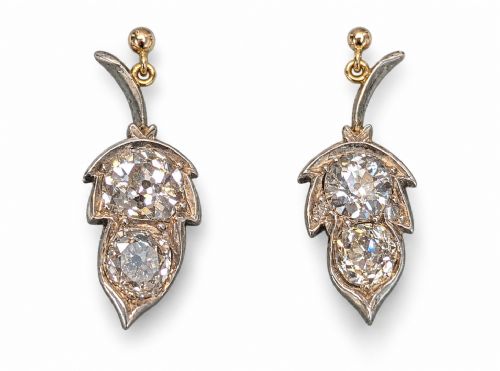
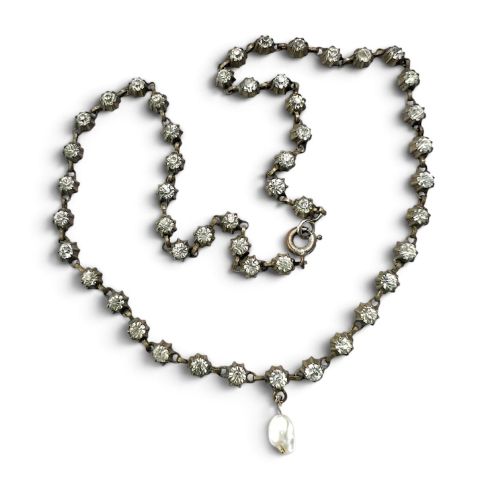
When searching for an antique style pendant, buyers encounter a variety of jeweller's work spanning the Victorian, Edwardian, and Art Deco periods, alongside pieces from the nineteenth and early twentieth centuries. These ornaments include gold and silver settings mounted with amethyst, seed pearl, turquoise, topaz, paste, and diamond, often taking the form of drop necklaces, crosses, lockets, and metamorphic brooches.
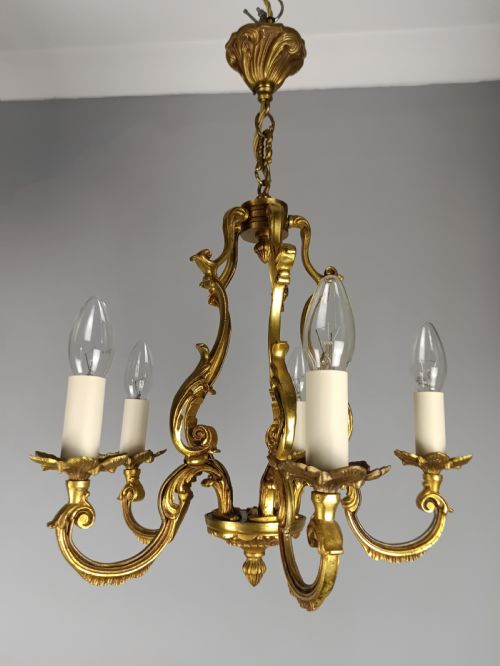
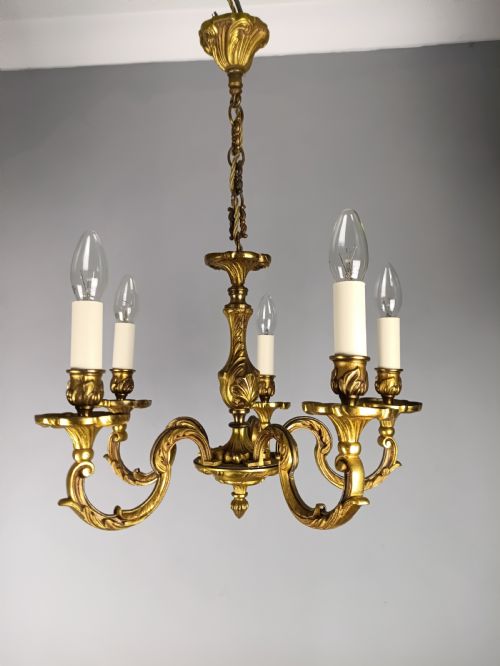
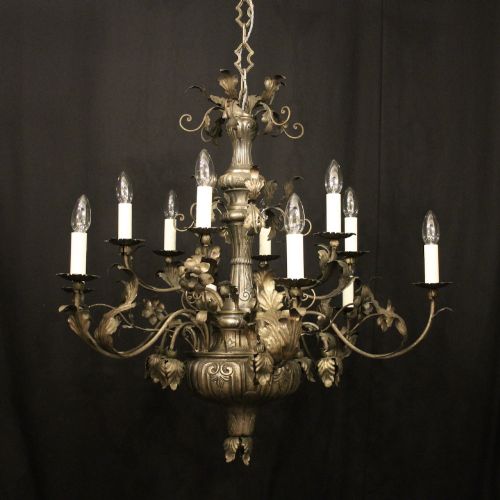
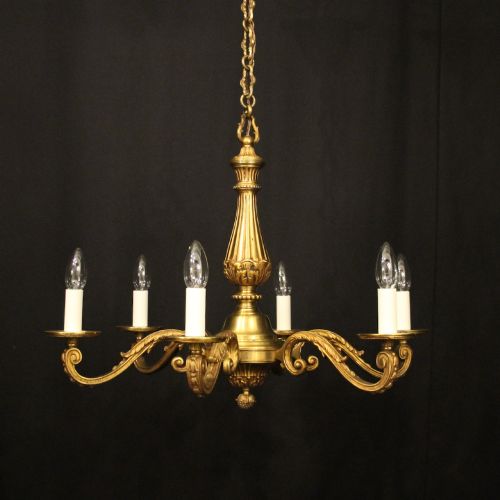
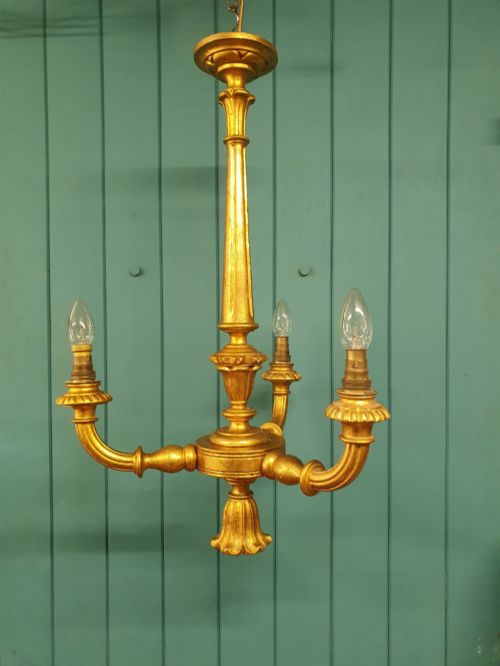
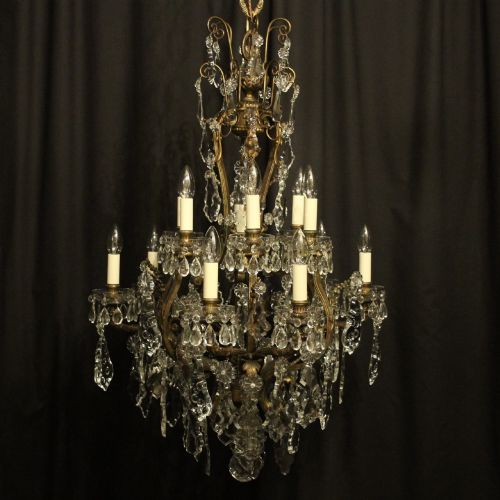
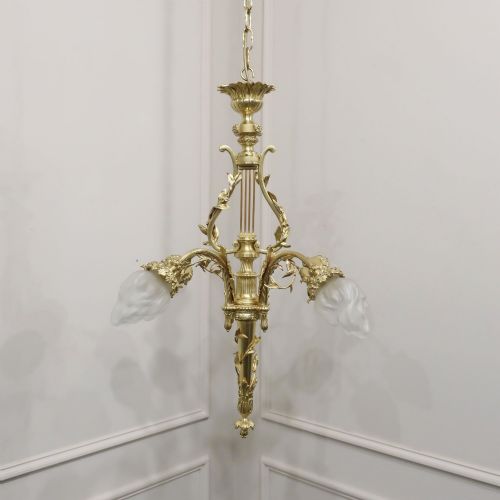
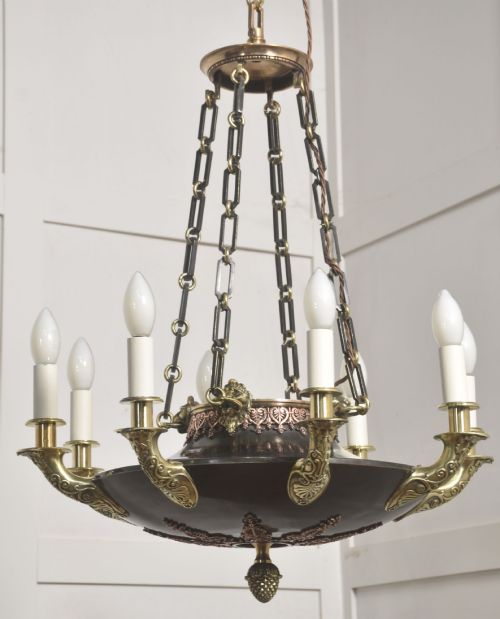
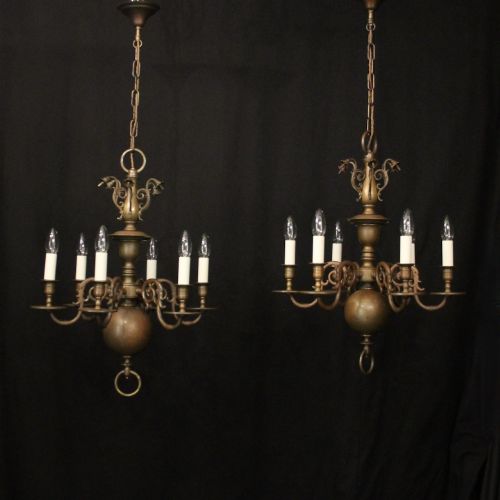
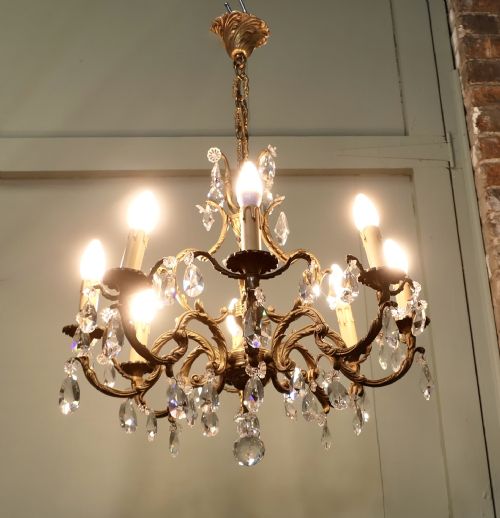
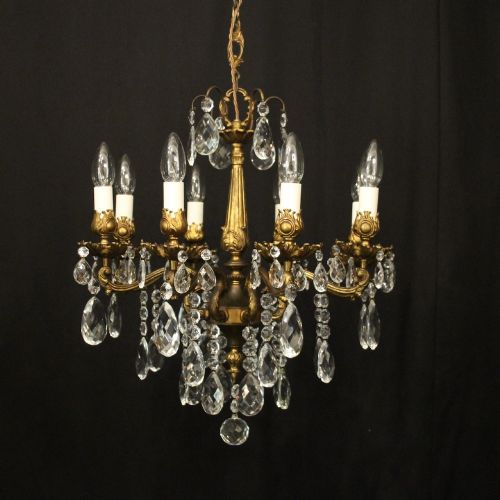
The selection also encompasses smaller architectural and decorative elements in brass and gilt bronze, reflecting French Chateau, Rococo, Empire, and Neoclassical design influences. While the inventory leans heavily towards larger lighting fixtures such as chandeliers and hall lanterns, the smaller decorative objects and pendants provide the wearable historic charm that collectors seek.
Materials and construction
Metals such as nine-carat and fifteen-carat gold, silver, brass, and gilt bronze form the structural foundation of these items, shaped through casting, piercing, and carving techniques. Goldsmiths and metalworkers utilised seed pearls, gemstones, and rock crystal cabochons to embellish the surfaces.
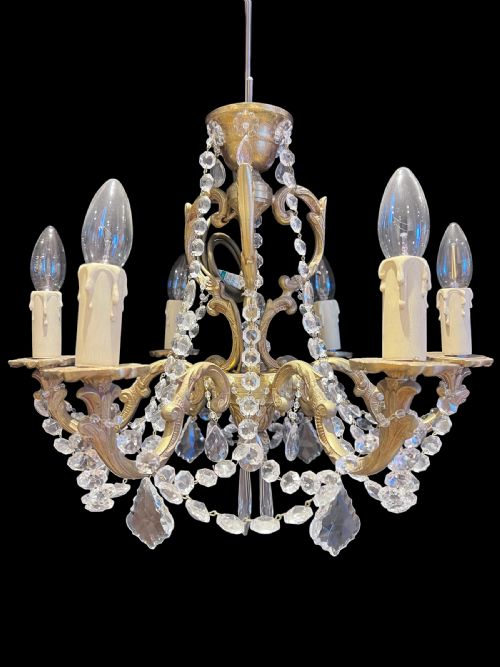
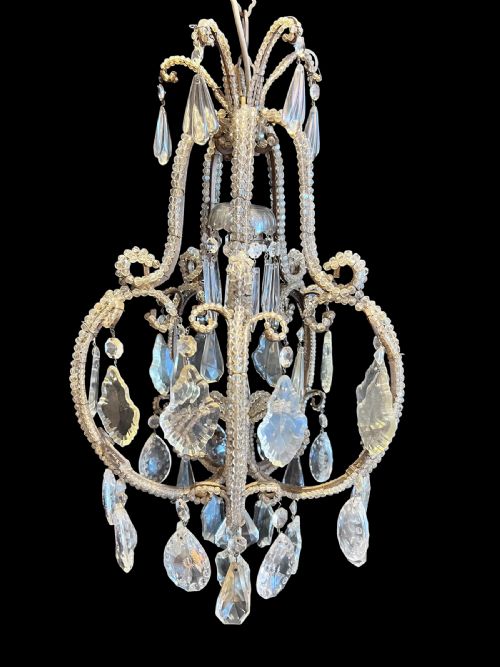
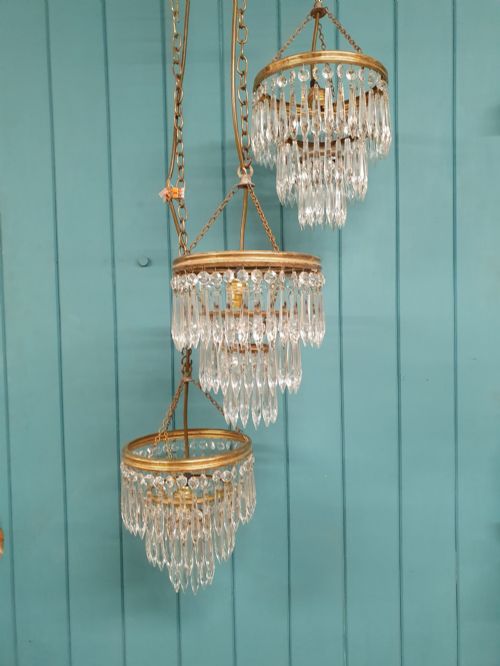
Glass and crystal components appear widely in the lighting fixtures, hung to refract light through cut glass drops and beads. Makers combined these materials using traditional joinery and metalworking methods appropriate to the nineteenth and early twentieth centuries.
The inventory records pieces from the Victorian, Edwardian, and Art Deco eras, alongside nineteenth-century works.
Evaluating craftsmanship
The standard of a piece rests on the precision of the metalwork, the clarity of the crystal or glass, and the depth of the hand-carved details in giltwood or bronze. Superior examples display clean casting lines, secure stone settings, and harmonious proportions that reflect their specific period style.
Wear across the gilt surfaces, replacement stones, or mismatched crystal drops alter the integrity of an item. Pieces retaining their original components and clear hallmarks demonstrate higher manufacturing fidelity.
The Antique Style Pendant Glossary
- Old cut diamond
- A precursor to the modern brilliant cut, featuring a small table, high crown, and large open culet. These stones were hand-faceted during the eighteenth and nineteenth centuries.
- Seed pearl
- A very small natural or saltwater pearl, often drilled and threaded onto silk or wire. They decorate Edwardian and Victorian gold pendants.
- Gilt bronze
- Bronze metal treated with a layer of gold through fire gilding or mercury plating. It provides a durable metallic surface seen on French decorative objects.
- Paste
- Hand-cut and polished lead glass used to imitate gemstones in historic jewellery. Quality paste stones exhibit deep refraction and foil backs to enhance their colour.
- Cabochon
- A gemstone shaped and polished with a smooth, convex dome rather than faceted edges. This cut is typical for rock crystal, agate, and amethyst pendants.
Antique Style Pendant: Frequently Asked Questions
What periods do these pendants come from?
The available items span the Victorian, Edwardian, and Art Deco eras, with production dates stretching from the nineteenth century into the early twentieth century.
These pieces reflect the distinct design revivals of their respective decades, including Neoclassical, Empire, and Etruscan influences.
How do I care for gold and seed pearl jewellery?
Organic materials like seed pearls require gentle handling and should be kept away from harsh chemicals, ultrasonic cleaners, and excessive moisture.
Store them in soft pouches to protect the gold settings and delicate mounted stones from surface scratching.
What is an antique style pendant?
It is a decorative hanging ornament or wearable jewel produced in the manner of earlier historic periods, often incorporating period materials like nine-carat gold, silver, and gemstones.
These items draw on design motifs from French Chateau, Rococo, and Victorian aesthetics.
Are these items hallmarked?
Certain gold and silver pieces feature traditional assay office hallmarks or maker marks that indicate the metal purity and year of creation.
Unmarked items are evaluated based on their construction techniques, material composition, and stylistic markers.