




Heals Style Furniture
Heals style furniture brings honest craftsmanship and clean architectural lines into modern rooms, offering practical elegance for everyday living.

Heals Style Furniture
Heals style furniture encompasses practical domestic forms designed with clean lines and functional purpose. Pieces listed span the Edwardian period through the 1920s and 1930s, covering eras defined by Arts and Crafts origins and subsequent Art Deco and Mid-Century Modern developments.
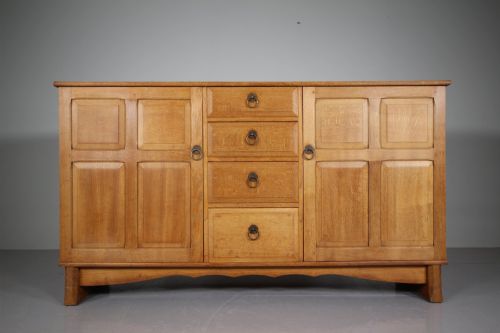
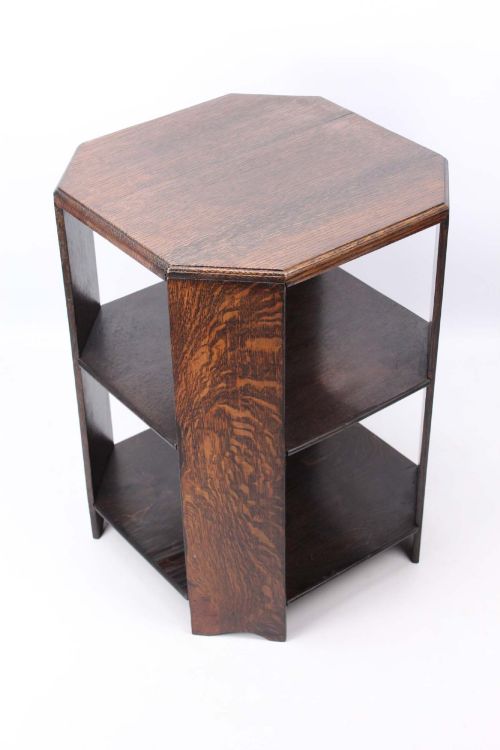
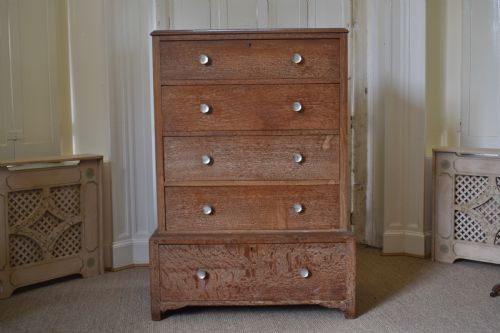
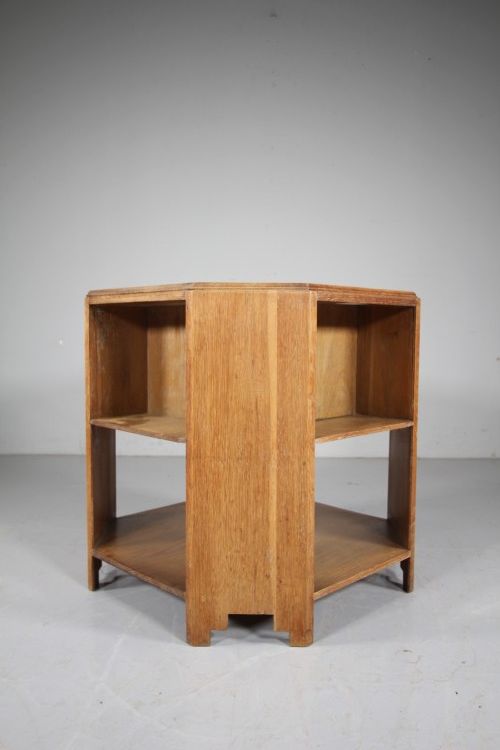
Buyers encounter a variety of household forms on this page, including side tables, bookcases, chests of drawers, dining tables, armchairs, and wardrobes. Oak remains the predominant material, appearing alongside limed oak, walnut, bentwood, plywood, and wood veneer.
Many examples reflect specific construction methods and retail labels associated with the maker, while others display the characteristic simplicity and form of the retailer without direct attribution.
What varies in quality
Quality rests upon the selection of timber and the integrity of the joinery, distinguishing straightforward utility from finer cabinetmaking. Pieces featuring quartered oak or carefully matched veneers demonstrate superior material selection.
The presence of original maker labels or stamps provides tangible evidence of origin, altering the documentary value of a piece compared to unattributed examples. Condition of surfaces, structural joints, and replaced elements such as upholstery also differentiate individual items.
Heals Style Furniture Retail Price Guide 2026
Typical asking prices for heals style furniture among the pieces listed under this phrase on Sellingantiques today, from the lower quarter to the upper quarter. They describe what is for sale here now, not the wider market.
Even the smallest bedside display boxes and book tables from this maker were built with enough sturdy oak to outlive several generations of readers.
The Heals Style Furniture Glossary
- Limed oak
- Timber treated with a white pigment or lime compound to create a pale, textured finish. This finish highlights the open grain of the wood.
- Quartered oak
- Timber cut radially from the log to produce straight parallel growth rings. This method yields boards with distinctive flake patterns and greater stability.
- Bentwood
- Wood softened by steam or moisture and bent into curved forms. It is utilised primarily in chair frames and structural supports.
- Tallboy
- A tall chest of drawers standing on a base or legs, combining wardrobe capacity with drawer storage. This form provides vertical storage in compact rooms.
- Stacking bookcase
- Modular shelving units designed to sit one atop another without permanent fixings. These units allow users to expand storage vertically.
Heals Style Furniture: Frequently Asked Questions
What is heals style furniture?
Heals style furniture refers to domestic pieces produced by or in the manner of the London retailer Heals, spanning the Edwardian era through the nineteen thirties. These items prioritise functional utility, honest construction, and unadorned surfaces.
The aesthetic evolved from Arts and Crafts principles into Art Deco and early modernist forms. Common woods include oak, limed oak, and walnut.
How do I date these pieces?
Dating relies on stylistic markers, construction techniques, and occasionally paper labels or stamps applied by the retailer. Edwardian pieces often show traditional Arts and Crafts influences, whereas nineteen thirties examples frequently display Art Deco geometry or limed finishes.
Material shifts also indicate period, such as the appearance of plywood and bentwood in later decades. Comparing known labelled examples helps anchor unlabelled items within the correct decade.
Where should I place a wardrobe?
Wardrobes from this era suit bedrooms, dressing rooms, or large hallways requiring substantial enclosed storage. Their architectural presence anchors a room while offering deep hanging space and internal compartments.
Ensure adequate floor space and ceiling clearance before placement, particularly for tall timber models. Keeping them away from direct heat sources protects the wood and veneer.
How do I care for limed oak?
Limed oak requires gentle cleaning with a dry or slightly damp cloth to preserve the white pigment within the grain. Avoid harsh chemical cleaners or silicone polishes that can discolour the pale finish.
Occasional application of suitable wax maintains the timber's surface protection. Placing pieces out of direct sunlight prevents the oak from darkening unevenly over time.
Are stacking bookcases sturdy?
Stacking bookcases utilise interlocking modular sections that rely on gravity and precise cabinetmaking for stability. Each tier rests securely on the one below without requiring permanent wall fixings.
They offer the advantage of flexibility, allowing owners to reconfigure or expand the shelving unit. Proper alignment on level flooring ensures the doors and sections operate smoothly.