



Heals of London Oak
Heals of london oak furniture brings architectural honesty and practical utility to domestic interiors, prized for its plain surfaces and sturdy construction.
Heals of London Oak
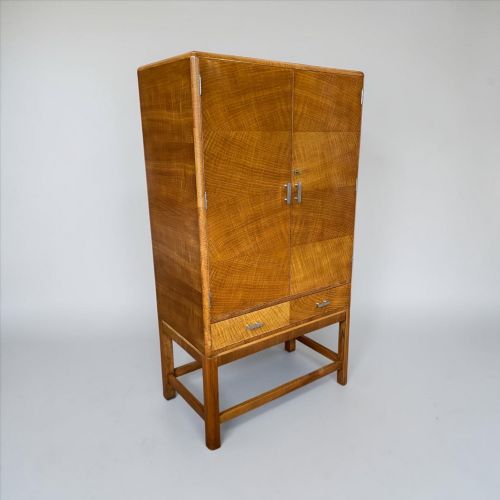
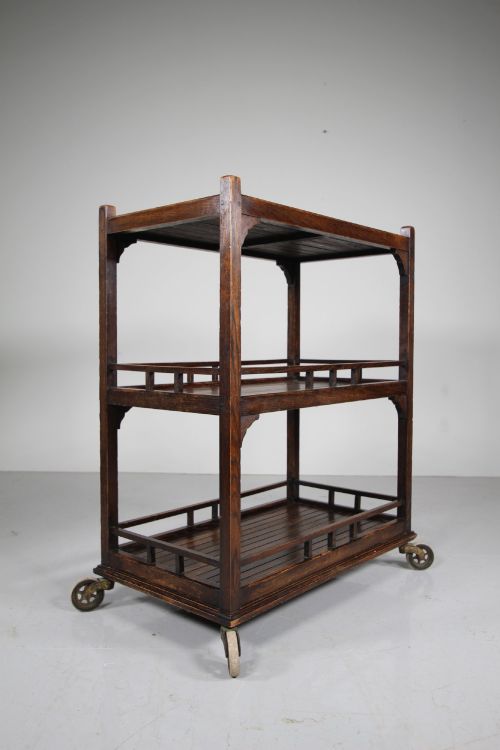
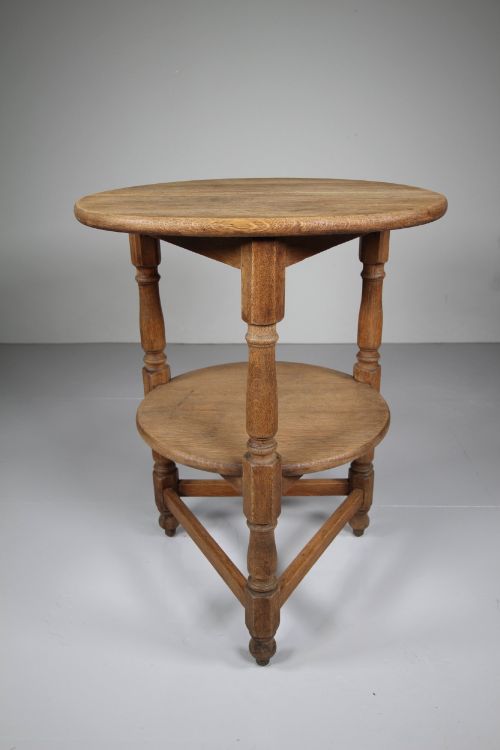
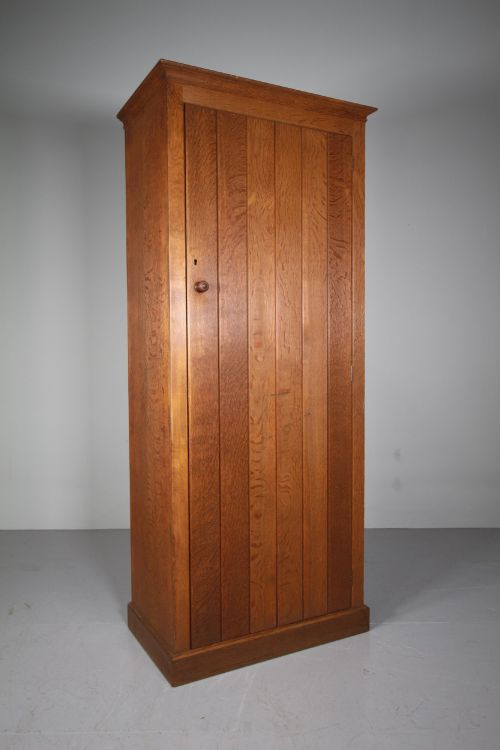
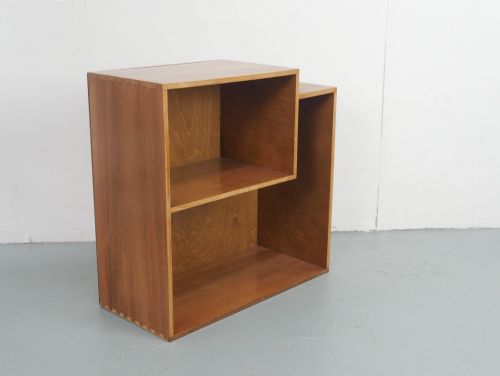
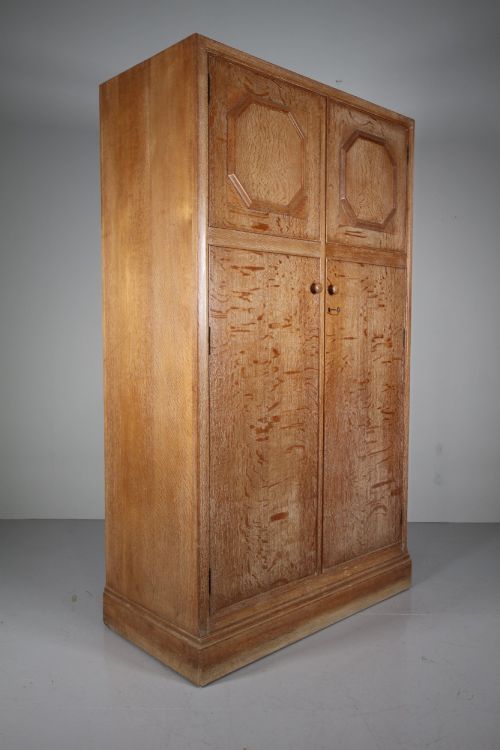
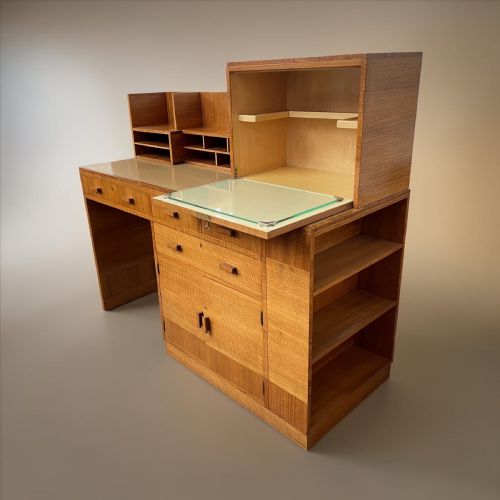
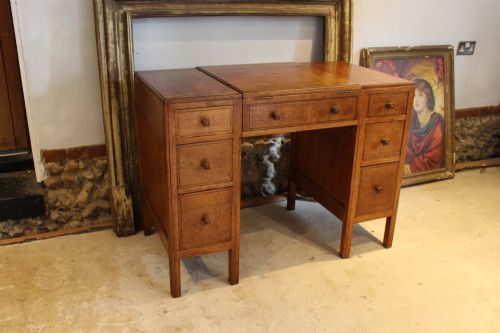
Heals of london oak pieces encompass functional household furnishings such as dining tables, wardrobes, desks, and beds produced across the late nineteenth and early twentieth centuries. These items reflect the transition from ornate Victorian tastes toward simpler, cleaner forms championed by the Arts and Crafts movement and subsequent Art Deco styles.
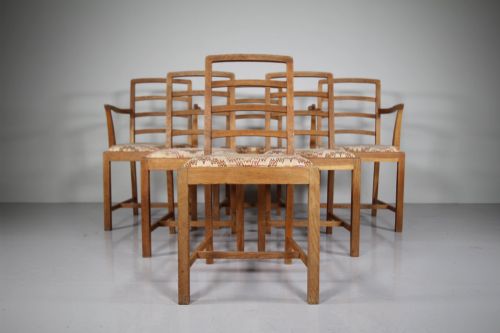
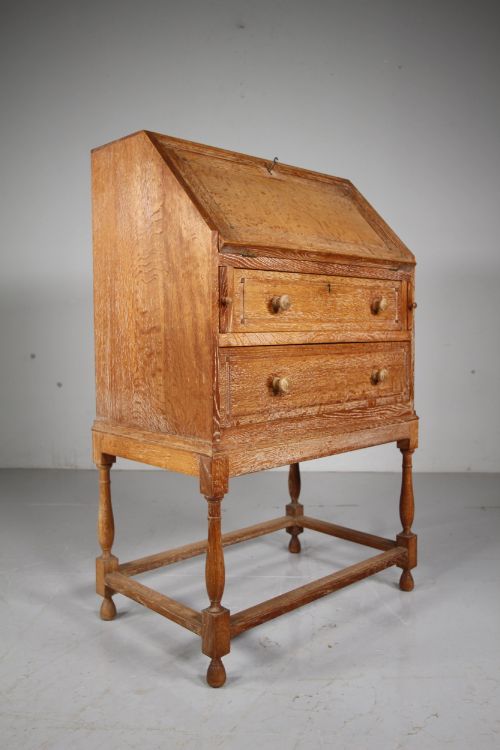
The version most commonly met on this page is the 1920s oak dining chair, writing bureau, or single bed, often bearing a paper label or maker stamp. Alongside pieces bearing authentic Heals attribution, buyers also encounter items attributed to the manner or style of the firm from Edwardian and 1930s periods.
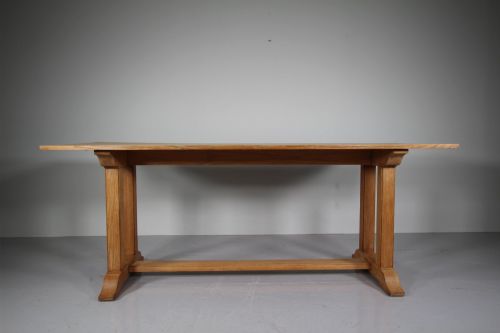
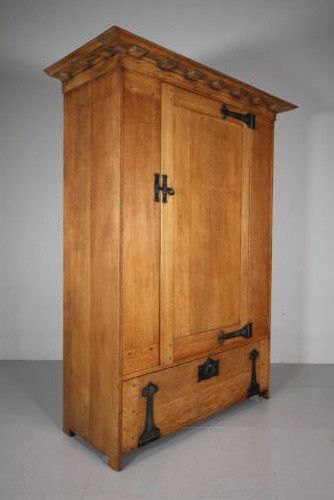
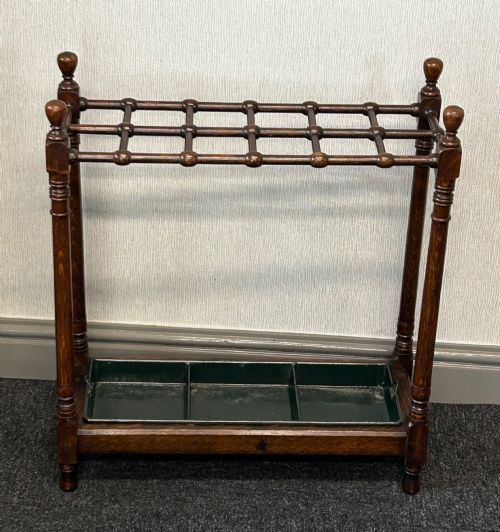
Forms range from sturdy refectory tables and dressers with elm or iron details to limed oak bedroom furniture and umbrella stands. This variety demonstrates how the workshop supplied complete domestic room schemes rather than isolated novelty objects.
Materials and Construction
Solid oak serves as the primary structural material, frequently complemented by secondary timbers like elm for table tops or drawer linings. Wrought iron and steel appear as functional hardware, including strap hinges, handles, and locking mechanisms.
Makers utilised straightforward joinery methods, allowing the natural grain and figure of the timber to provide visual interest rather than heavy carving or applied veneer. Surface treatments range from traditional wax polishes to twentieth-century limed finishes that lightened the native tone of the wood.
Heals of London Oak Retail Price Guide 2026
Typical asking prices for heals of london oak among the pieces listed under this phrase on Sellingantiques today, from the lower quarter to the upper quarter. They describe what is for sale here now, not the wider market.
Listings include solid oak and limed oak forms spanning the nineteenth century, Edwardian era, 1920s, and 1930s.
Distinctions in Quality
The upper tier of these furnishings is distinguished by intact original labels, maker stamps, and documented provenance that confirm factory origin. Pieces that retain their unaltered hardware, original rush seats, and uncompromised surface finishes hold greater architectural integrity.
Proportion and execution separate standard commercial production from workshop pieces designed during influential stylistic periods. Items that integrate secondary materials like wrought iron or specific regional associations, such as St Ives or Newlyn connections, demonstrate higher levels of design ambition.
Heal and Sons·Heals of London
The Heals of London Oak Glossary
- Arts and Crafts
- A design movement advocating for traditional craftsmanship, simple forms, and honest use of materials. It heavily influenced early twentieth-century domestic interior design.
- Limed oak
- A wood finishing technique that leaves a white pigment in the open pores of the grain. This treatment creates a lighter, softened appearance popular in twentieth-century furniture.
- Refectory table
- A long, narrow dining table originally used in monastic dining halls. These examples feature solid timber tops supported by sturdy stretcher bases.
- Bureau
- A writing desk fitted with a hinged sloping fall-front that opens to reveal internal compartments and pigeonholes. They often incorporate banks of drawers beneath.
- Rush seat
- A traditional chair seating method woven from dried marsh grass. It provides a durable, textured surface common on ladder-back chairs.
Heals of London Oak: Frequently Asked Questions
How do I identify genuine Heals furniture?
Look for maker marks, paper trade labels, or brand stamps usually located inside drawers, on the underside of tables, or on bed frames. Documented construction methods and matching period styles also assist attribution.
Unmarked pieces sometimes appear in the manner of the workshop, requiring stylistic comparison with verified examples from the same production era.
What periods do these oak pieces date from?
The selection spans from the late nineteenth century through the Edwardian era and into the 1920s and 1930s. Each decade brings distinct shifts from heavy Arts and Crafts designs toward streamlined Art Deco forms.
Dating relies on construction details, hardware types, and stylistic evolution rather than precise manufacturing records for every individual item.
How should I care for solid oak furniture?
Maintain timber surfaces by applying a microcrystalline wax polish occasionally to nourish the wood grain. Avoid placing pieces near direct heat sources or in fluctuating humidity to prevent splitting.
Protect finished surfaces from moisture by using coasters and mats during daily household use.
What rooms suit these oak furnishings?
Dining tables, refectory boards, and ladder-back chairs integrate naturally into kitchen and dining spaces for daily gatherings. Wardrobes, dressing chests, and single beds serve bedroom settings with durable storage and sleeping options.
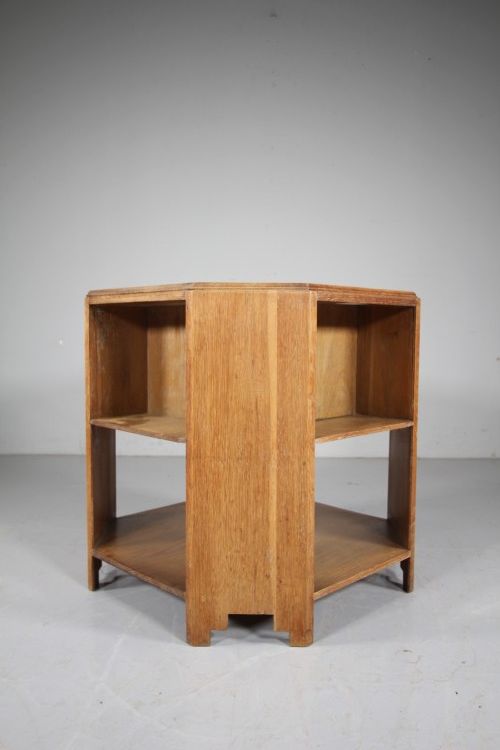
Writing bureaux and bookcases function effectively in home studies or living areas requiring workspace and shelving.