

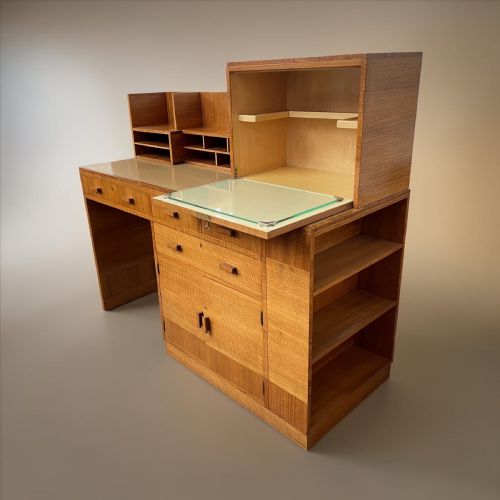
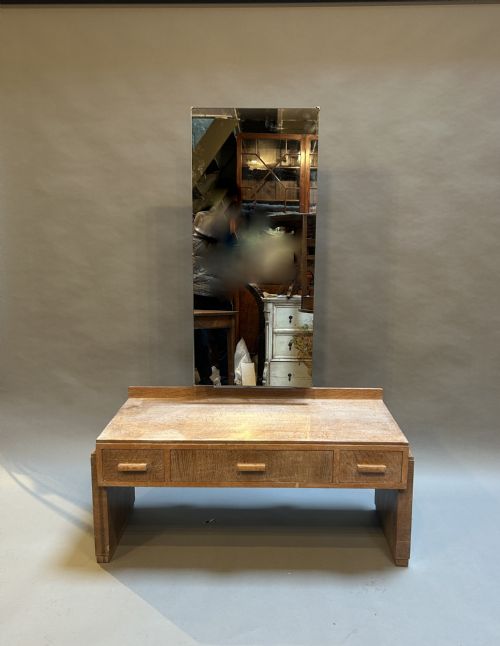


Heals Oak Lighting
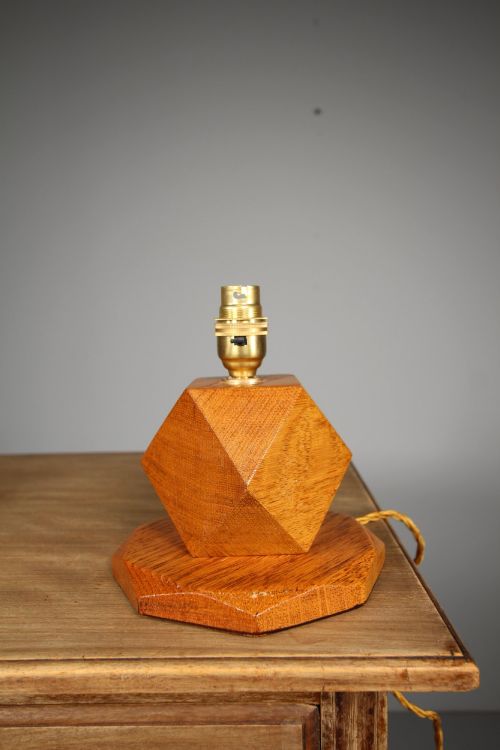
Heals oak lighting brings together solid timber construction and functional design from the early twentieth century.
Heals Oak Lighting
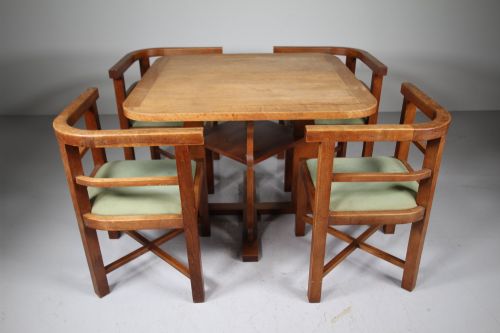
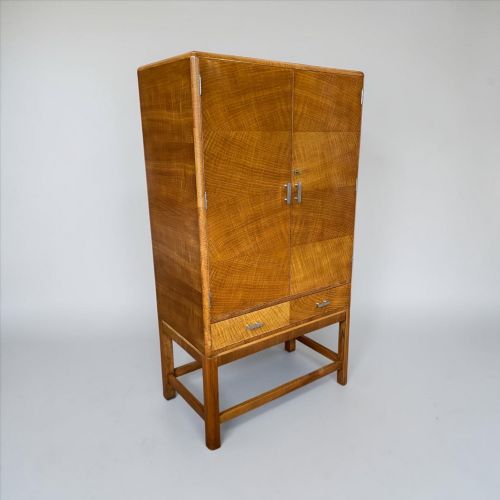
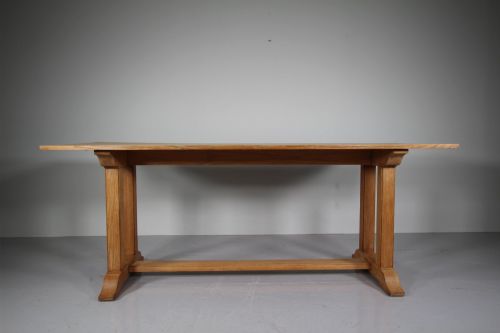
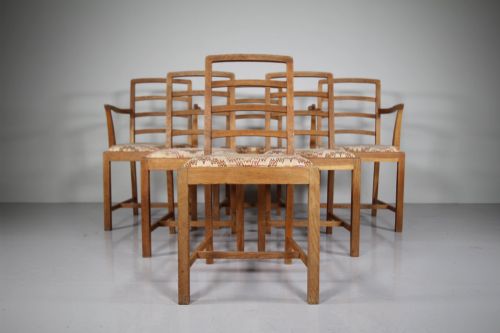
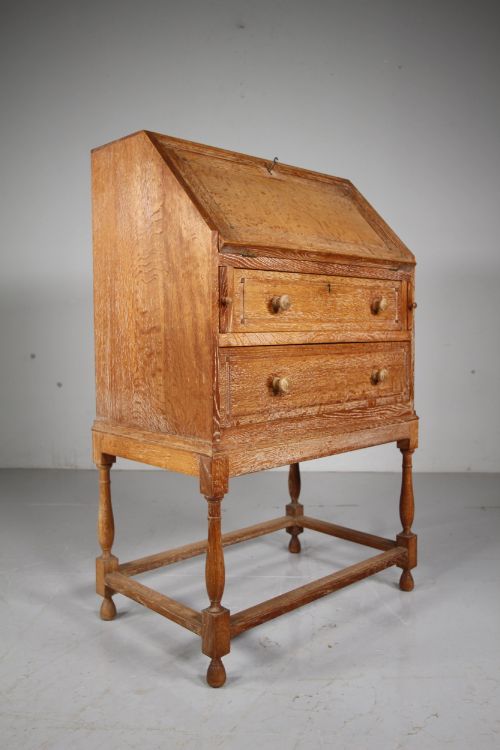
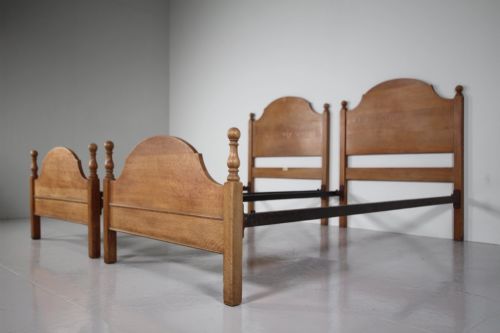
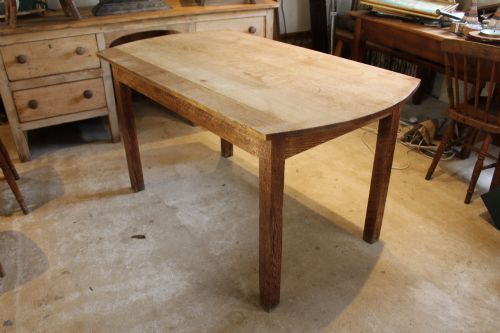
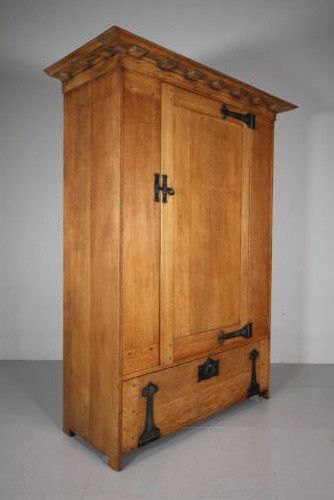
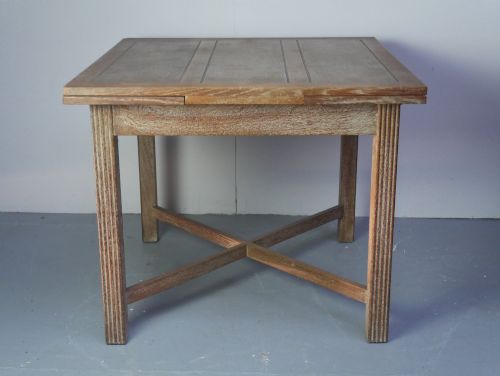
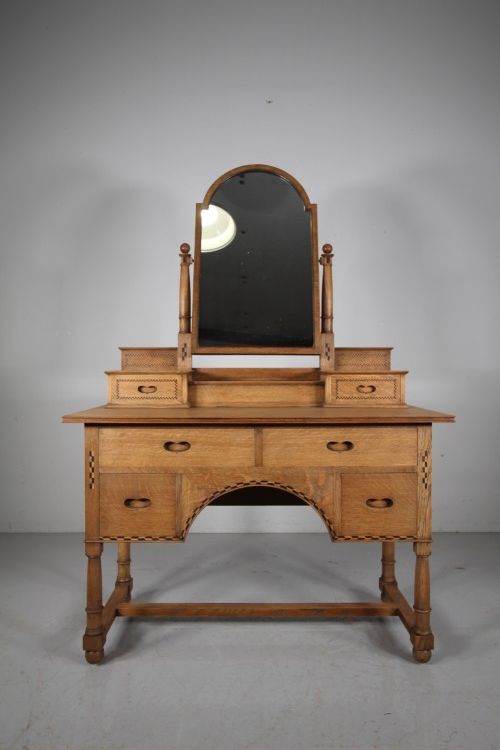
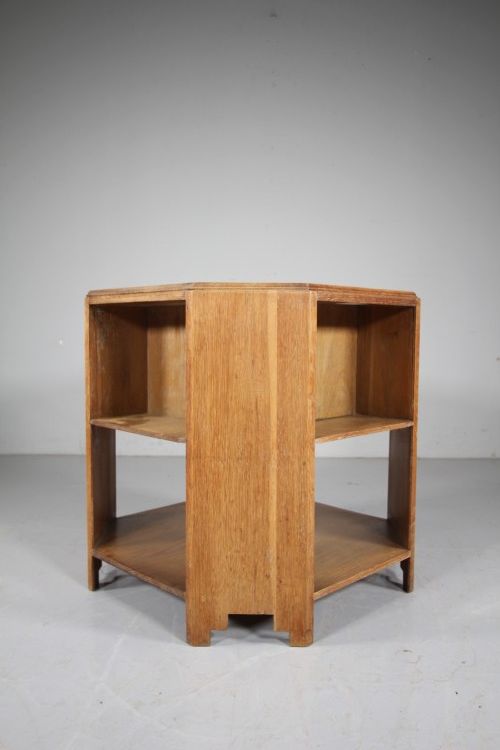
When buyers search for heals oak lighting, they encounter sturdy domestic forms dating from the Edwardian era through the nineteen-thirties. The selection spans straightforward dining tables, chests of drawers, and desks constructed from solid timber.
Most examples originate from the nineteen-twenties and nineteen-thirties, reflecting the Arts and Crafts and Art Deco styles associated with the London maker. Pieces range from labelled workshop items to attributions sharing the same functional aesthetic.
Materials and construction
Makers utilised solid oak alongside limed oak finishes, shaping the timber into functional domestic forms. Metal elements in brass and iron appear alongside glass, fabric, and leather components.
Joinery techniques prioritize structural honesty, displaying visible construction methods rather than concealed fastenings. Limed finishes highlight the natural grain of the wood, a signature treatment of the period.
Heals Oak Lighting Retail Price Guide 2026
Typical asking prices for heals oak lighting among the pieces listed under this phrase on Sellingantiques today, from the lower quarter to the upper quarter. They describe what is for sale here now, not the wider market.
Listings span the Edwardian period through the nineteen-thirties, featuring solid oak, limed oak, brass, and glass.
Distinguishing quality
Quality rests upon the presence of maker marks, paper labels, or stamps that confirm origin. Pieces carrying direct factory attribution command greater clarity than items merely made in the manner of the workshop.
The sophistication of the timber selection and the restraint of the carved or limed details separate standard domestic items from finer workshop commissions. Proportions remain balanced and functional across all tiers.
Heal and Son
The Heals Oak Lighting Glossary
- Limed oak
- Timber treated with a white-pigmented finish to create a pale, scrubbed appearance. This finish became popular in British furniture during the interwar years.
- Arts and Crafts
- A design movement prioritising traditional craftsmanship and simple forms. It rejected mass production in favour of visible, honest construction.
- Art Deco
- A style emerging in the nineteen-twenties characterised by streamlined geometric shapes. It influenced domestic furniture design alongside earlier traditional movements.
- Attributed
- A term used when stylistic evidence strongly links an unmarked piece to a specific maker. It relies on known construction traits and design patterns.
Heals Oak Lighting: Frequently Asked Questions
What defines these oak items?
These pieces comprise solid timber furniture produced by Heal and Son or associated workshops during the early twentieth century. They showcase straightforward construction and utilitarian forms.
Designs draw on Arts and Crafts principles and later Art Deco styles, often featuring limed wood finishes or exposed joinery.
How do I identify a labelled piece?
Makers often applied paper labels, metal tags, or direct stamps to drawers, bed frames, or cabinet interiors. These marks provide definitive proof of workshop origin.
Unmarked items rely on characteristic proportions, handles, and timber treatments to suggest attribution to the London firm.
What is limed oak?
Limed oak is a wood treatment involving a white pigment rubbed into the grain to lighten the timber. The technique emphasises the natural texture of the oak.
This finish gained widespread popularity in British interior design during the nineteen-twenties and nineteen-thirties.
How do these items fit modern interiors?
The neutral tones of oak and limed timber blend easily with contemporary colour palettes. Their clean lines suit minimalist and traditional spaces alike.
Functional forms such as small tables and desks serve practical daily roles without overwhelming a room.