


Heals Lighting
Heals lighting pieces are purposeful British furnishings defined by honest construction and restrained design that reward daily use.
Heals Lighting
Buyers seeking heals lighting often encounter items from the Arts and Crafts, Edwardian, and Art Deco periods. These selections show the firm's transition from traditional timber construction to modernist functional forms.
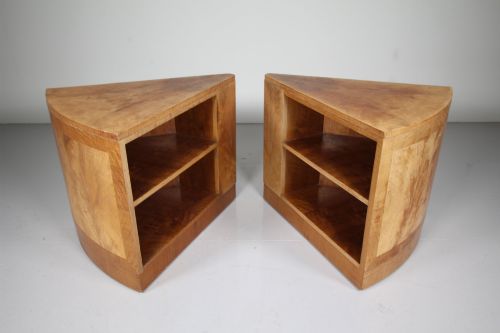
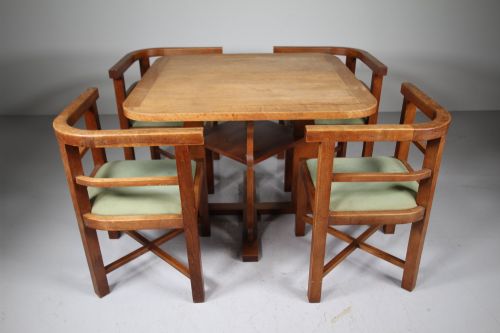
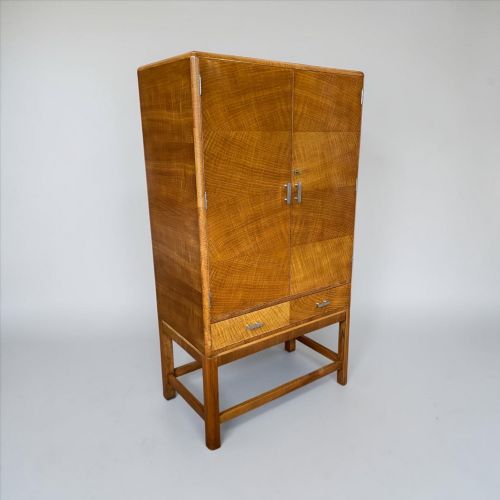
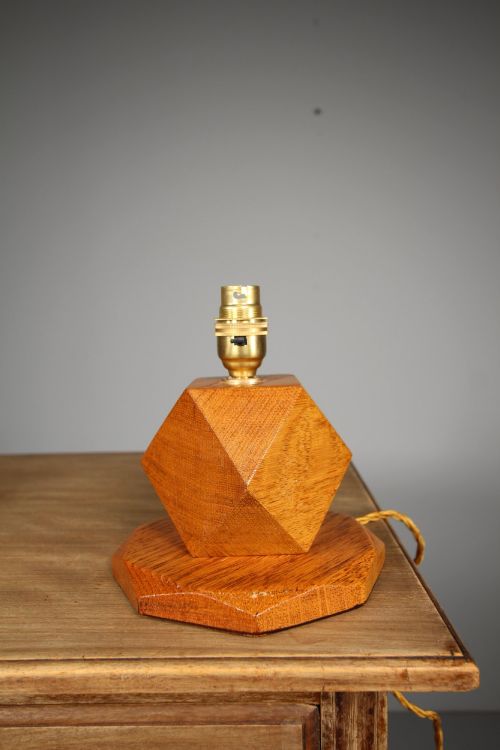
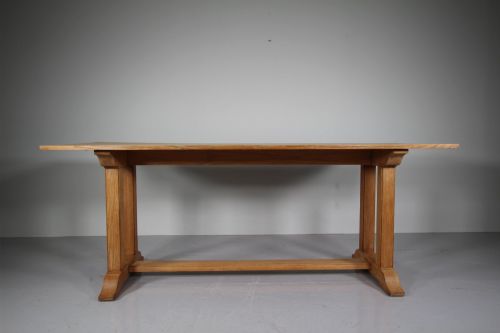
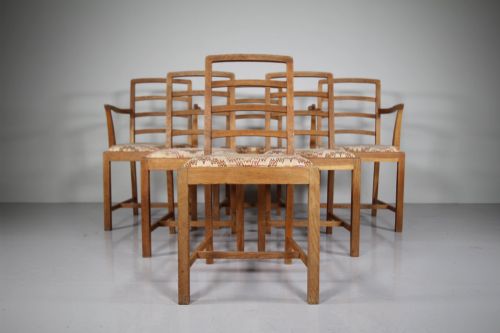
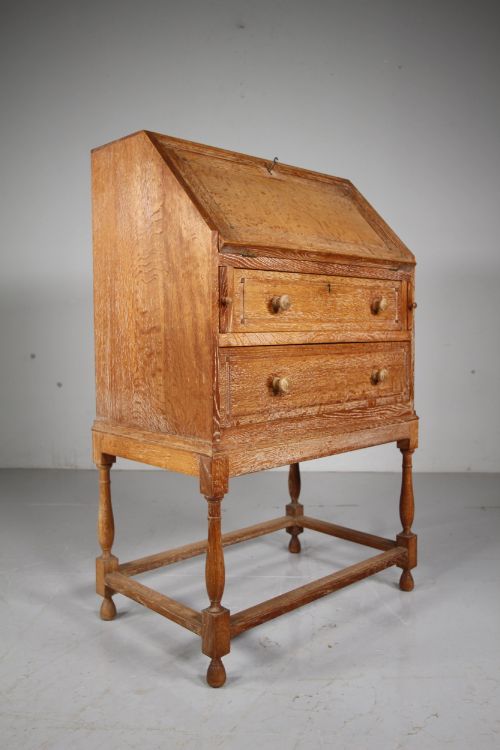
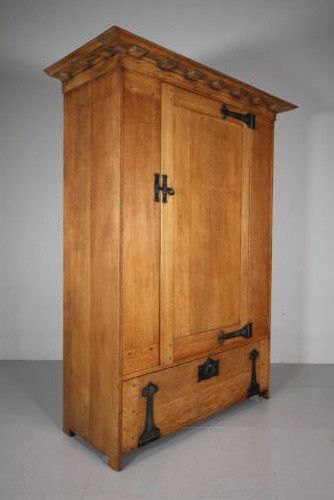
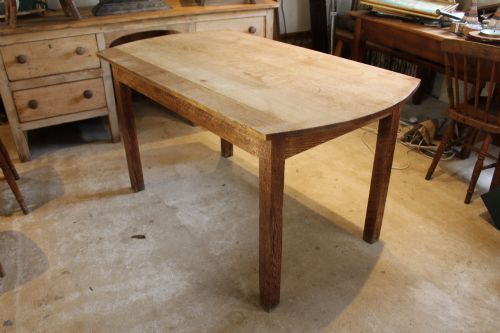
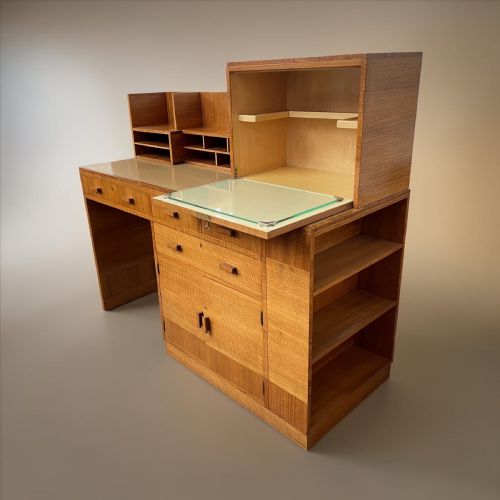
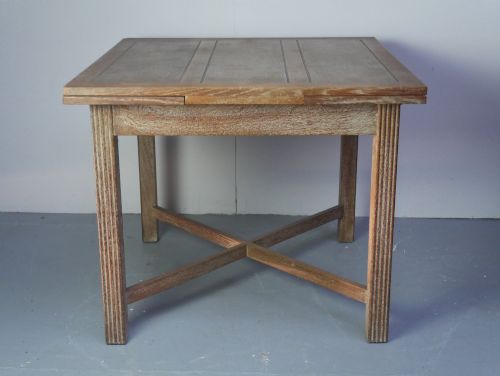
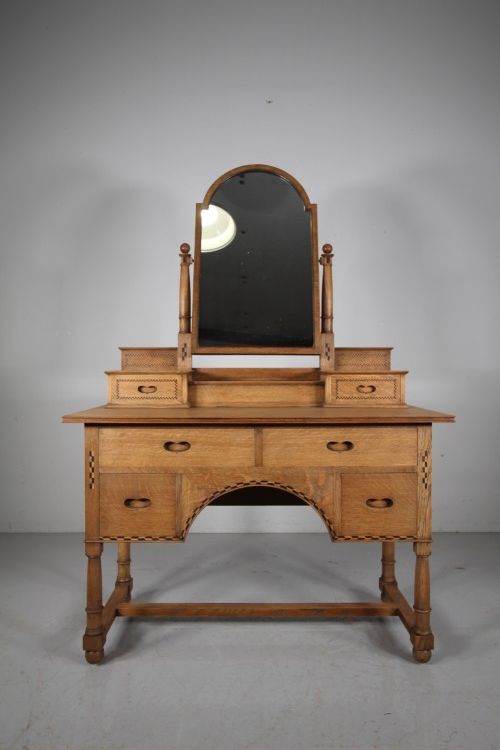
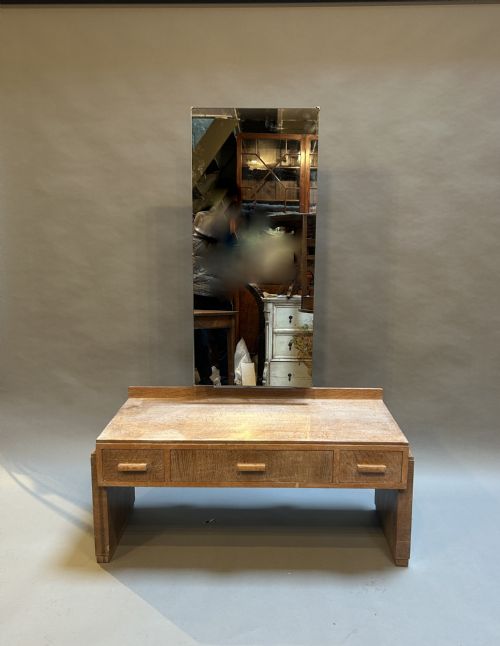
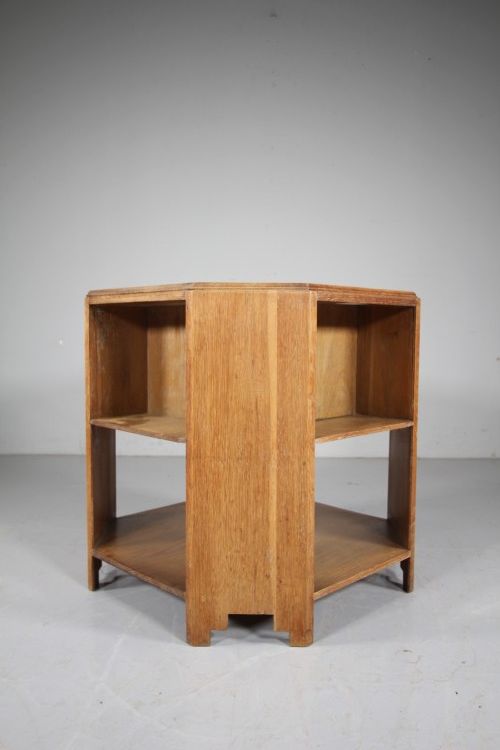
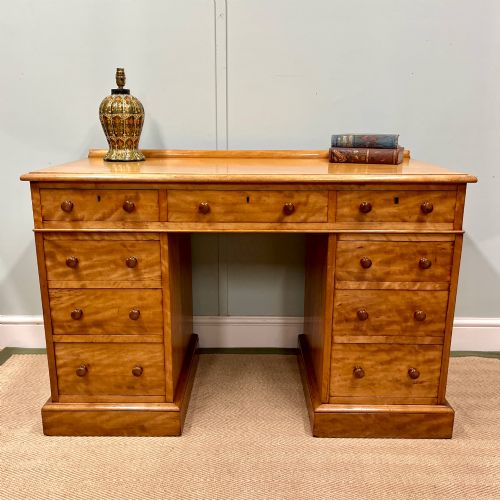
The inventory on this page largely spans the early decades of the twentieth century. While the search phrase specifies lighting, the recorded evidence comprises seating, tables, desks, and storage pieces reflecting the maker's broader domestic output.
Quality factors in manufacture
Superior examples carry original maker labels, stamps, or paper tags confirming workshop origin. Attributions rely on characteristic timber selection, construction details, and proportion.
The subtlety of hand-planed surfaces and the retention of original surface finishes separate standard production from exceptional workshop output. Alterations to timber colour or replaced hardware reduce desirability.
Heals Lighting Retail Price Guide 2026
Typical asking prices for heals lighting among the pieces listed under this phrase on Sellingantiques today, from the lower quarter to the upper quarter. They describe what is for sale here now, not the wider market.
Even a child's desk receives the full workshop treatment with sturdy oak construction.
Heal and Son·Heals of London
The Heals Lighting Glossary
- Limed oak
- A timber finish created by rubbing white pigment into open-grained oak to produce a pale, pickled appearance. This treatment became a signature of modernist furniture production in the interwar period.
- Arts and Crafts
- A design movement prioritising traditional craftsmanship and simple forms over mass production. Pieces from this tradition often display exposed joinery and honest materials.
- Art Deco
- A style emerging in the interwar years characterised by streamlined geometric shapes and modern materials. It marks a shift towards functionalism in domestic interiors.
- Refectory table
- A long dining table derived in form from medieval monastery tables. Maker examples utilise heavy timber planks supported by trestles or robust legs.
- Partners desk
- A large double-sided desk designed for two people to work opposite one another. These pieces feature drawers and cupboards accessible from both sides.
Heals Lighting: Frequently Asked Questions
How do I identify a labelled piece?
Maker marks typically appear as paper trade labels pasted inside drawer interiors or as small metal tags affixed to structural timbers.
Examine hidden surfaces carefully for stamped signatures or branding before cleaning or restoring the timber.
What is limed oak?
Limed oak is a pale wood finish produced by working a white pigment into the open grain of the timber. This technique lightened heavy furniture for interwar interiors.
Care should be taken with moisture and harsh cleaners to preserve the original surface tone.
How do I date an early oak piece?
Dating relies on construction methods, timber selection, and stylistic cues recorded across Edwardian and 1930s production. Label evidence and branded stamps provide definitive periods.
Compare joint construction and hardware against documented examples from the same decade.
How should I care for walnut furniture?
Walnut surfaces require protection from direct sunlight and excessive humidity to prevent timber movement and fading. Apply microcrystalline wax sparingly to maintain the finish.
Avoid silicone-based polishes that penetrate the open grain and damage the timber over time.