
Hardwood Stand Carving
Hardwood stand carving brings together dense timber supports and display pieces crafted across the nineteenth and early twentieth centuries.
Hardwood Stand Carving
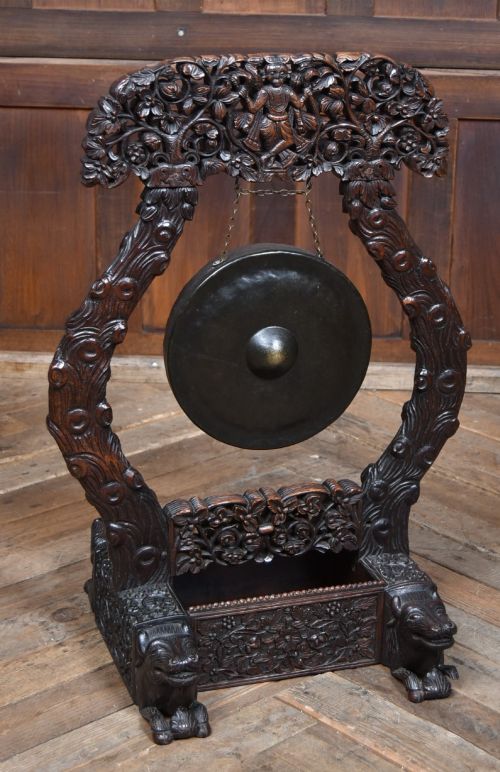
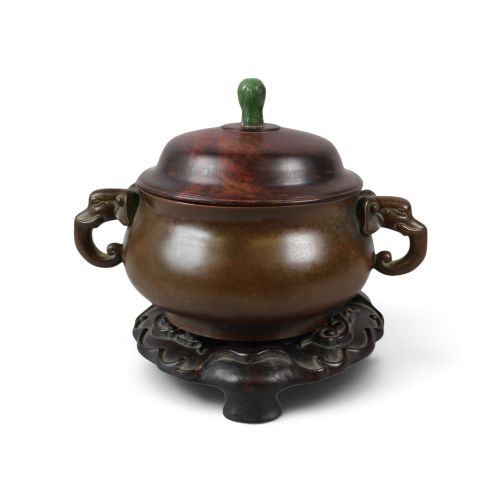
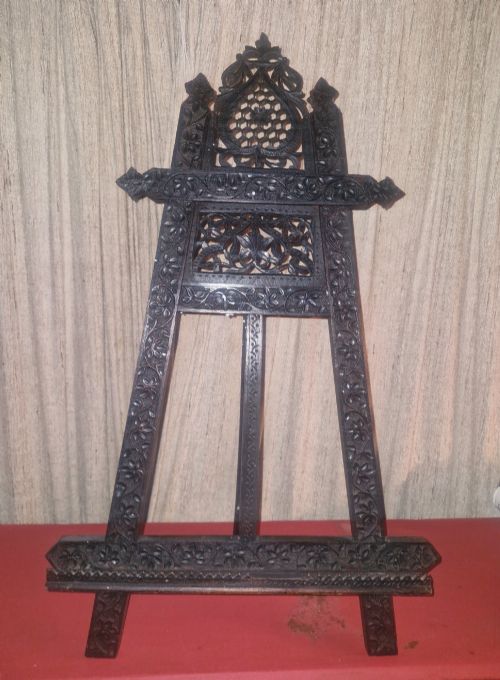
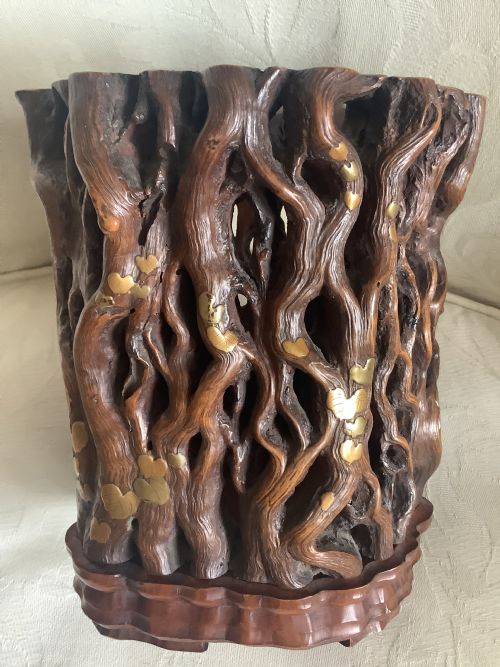
A hardwood stand carving search uncovers sculptural supports, plant tables, and display bases originating primarily from Chinese, Japanese, and Anglo-Indian workshops during the nineteenth and early twentieth centuries. These objects range from small bonsai stands to large pedestal tables designed to elevate porcelain, bronze, and jade.
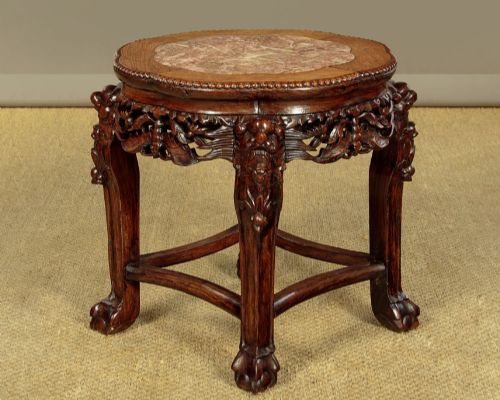
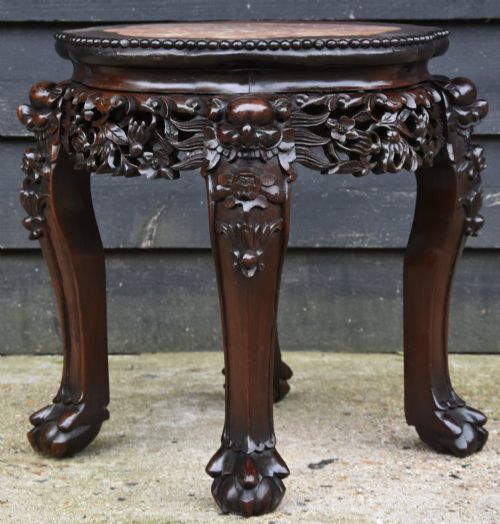
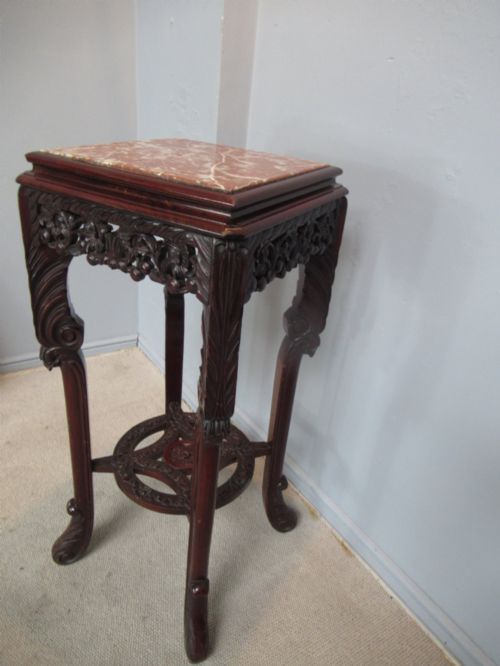
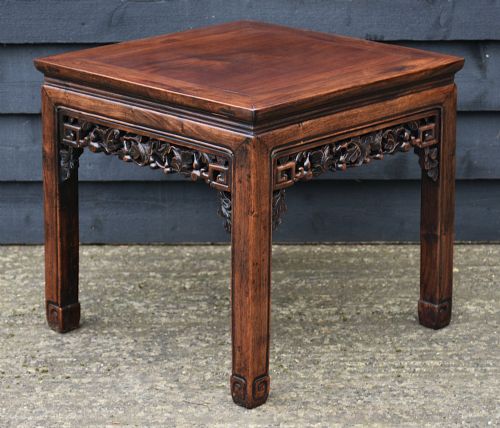
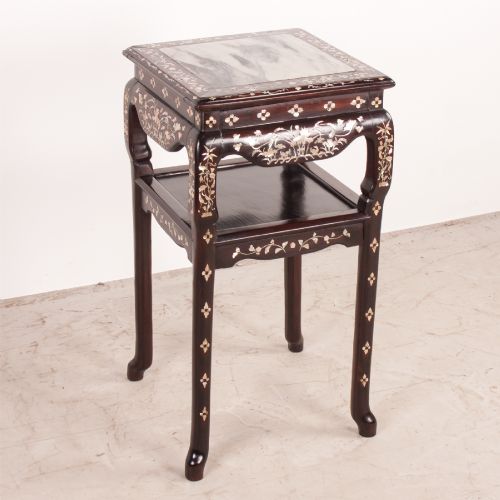
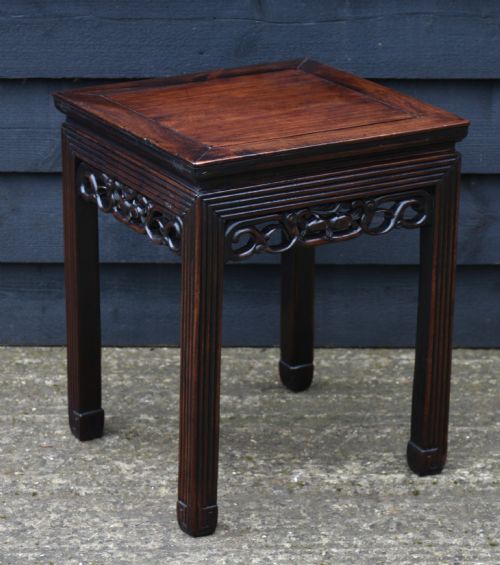
The most common forms on this page are low tables, pot stands, and pedestal stands set with marble or burr wood insets. Makers utilised dense timbers to create solid platforms for decorative arts and interior furnishings.
Materials and construction methods
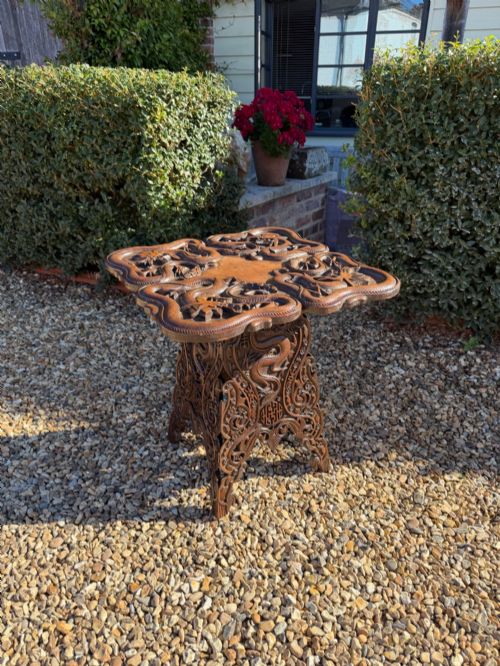
Artisans constructed these pieces using dense tropical hardwoods such as rosewood, padauk, huanghuali, and teak, often selected for their deep colour and strong grain. Carving was executed by hand, yielding intricate relief work depicting flora, fauna, and traditional motifs.
Many tables and stands incorporate inset panels of white marble or burr wood, fitted precisely into wooden frames using traditional joinery without metal fasteners. Bone, mother-of-pearl, and brass appear as supplementary inlay materials on specific regional examples.
One determined turtle manages to carry an entire bonsai display stand entirely on its own carved wooden back.
Judging the quality of carved stands
Quality rests upon the crispness of the hand-carved detail and the selection of the timber, where dense, evenly grained rosewood or huanghuali commands greater regard than softer, plainer woods. Superior examples display deep, three-dimensional relief without structural splitting in the primary timber.
The integration of inset marble or stone panels, tightly fitted without filler, also separates standard items from finer productions. Structural stability in load-bearing joints determines longevity in functional tables and plant pedestals.
Liberty & Co·Liberty of London
The Hardwood Stand Carving Glossary
- Huanghuali
- A fragrant, richly figured Chinese hardwood prized for its warm amber tone and complex grain patterns. It forms the primary material of high-status furniture from earlier dynastic periods onwards.
- Jardiniere stand
- A tall pedestal or small table specifically designed to hold a large ceramic plant pot or flower bowl. These stands often feature elevated rims and water-resistant marble or stone tops.
- Padauk
- A heavy, durable tropical timber with a distinct reddish-orange hue that darkens to a deep brown over time. It provides a stable base for detailed carving on nineteenth-century Anglo-Indian pieces.
- Shodana
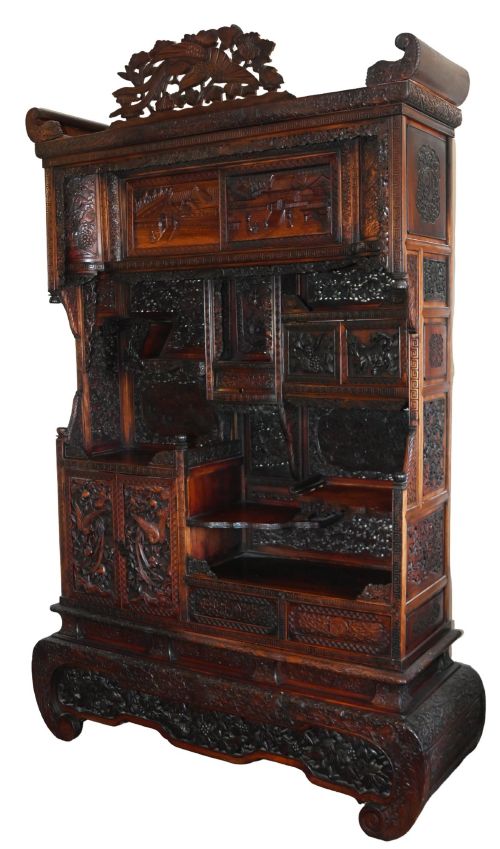
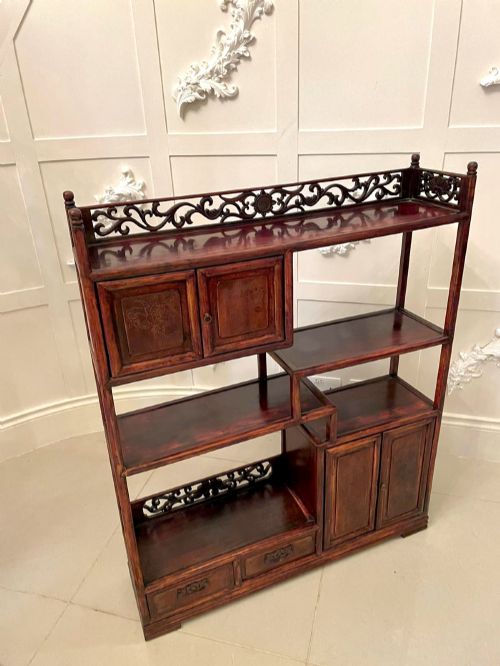
- A traditional Japanese multi-tiered display cabinet featuring asymmetrical shelving and sliding doors. These small architectural cabinets showcase lacquerwork, metal fittings, and fine timber joinery.
- Archaistic
- A design style that consciously imitates the forms, motifs, and patination of ancient bronzes and jades from early Chinese dynasties. It appears frequently in decorative supports and bronze vessels.
Hardwood Stand Carving: Frequently Asked Questions
What were carved hardwood stands used for?
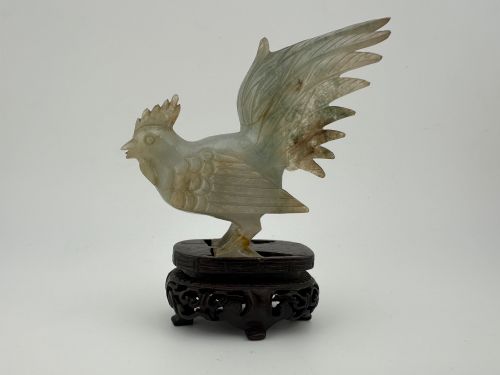
These stands served as elevated platforms for precious objects including porcelain vases, bronze censers, jade carvings, and potted plants. By raising the item off the floor or furniture surface, the stand drew attention to the decorative art placed upon it.
In traditional interiors, they also functioned as occasional tables, small tea tables, or dedicated display furniture for scholar's studios. Their varied heights allowed for layered arrangements within a room.
How do I care for antique hardwood furniture?
Keep hardwood stands away from direct heat sources and strong sunlight to prevent the timber and inset panels from drying and splitting. Dust regularly with a dry, soft cloth and avoid chemical polishes that can build up on hand-carved surfaces.
Maintain a stable indoor humidity level, as extreme fluctuations cause natural wood and marble to expand and contract at different rates, potentially loosening joinery or stone inserts.
How can I distinguish Chinese export stands from Anglo-Indian pieces?
Chinese export pieces typically utilise dense indigenous woods like rosewood or huanghuali, featuring motifs such as prunus blossom, dragons, and key-fret borders executed in deep relief. Construction relies on traditional joinery methods suited to classical forms. N Anglo-Indian furniture often employs teak or padauk with dense, overall foliate carving, animal figures, or geometric bone inlay reflecting British colonial taste. Many of these items were imported directly through retail houses in London.
Why do some stands have marble tops?
Marble inserts provided a cool, flat, and durable surface that could withstand moisture from potted plants or hot tea vessels without staining the surrounding wood. The stone also added contrasting colour and weight to the centre of the stand.
White or grey veined marble was most commonly selected to complement the dark, polished tones of rosewood and padauk frames. These inset slabs were cut to shape and dropped directly into a recessed wooden groove.