


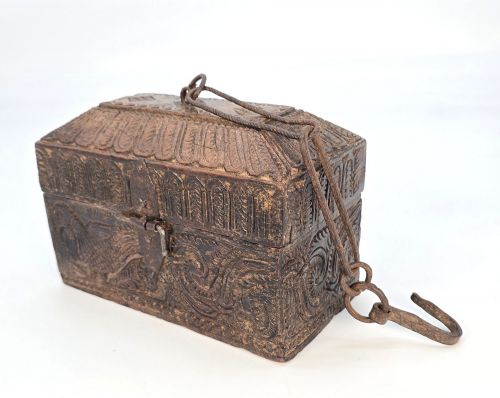


Hanging Wooden Storage
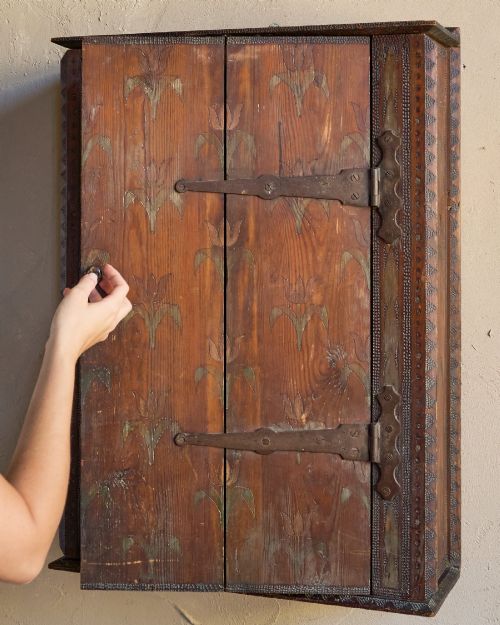
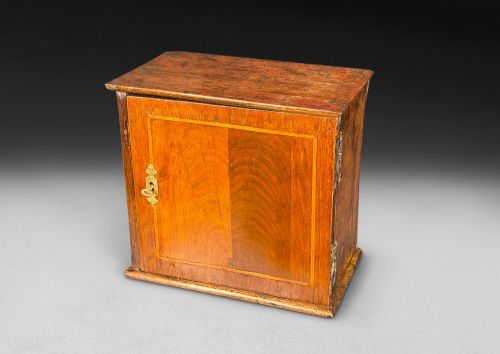
Hanging wooden storage pieces are wall-mounted cupboards, cabinets, shelves, and boxes designed to keep domestic goods secure and tidy.
Hanging Wooden Storage
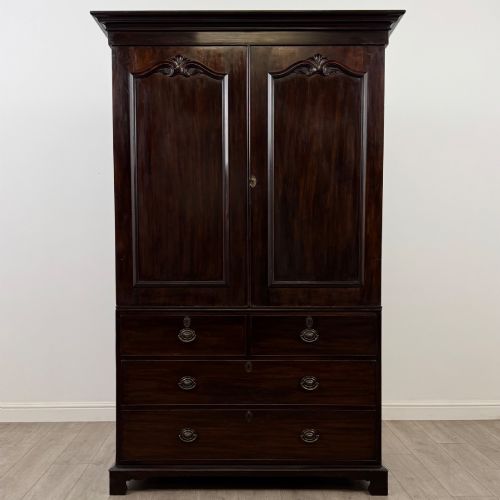
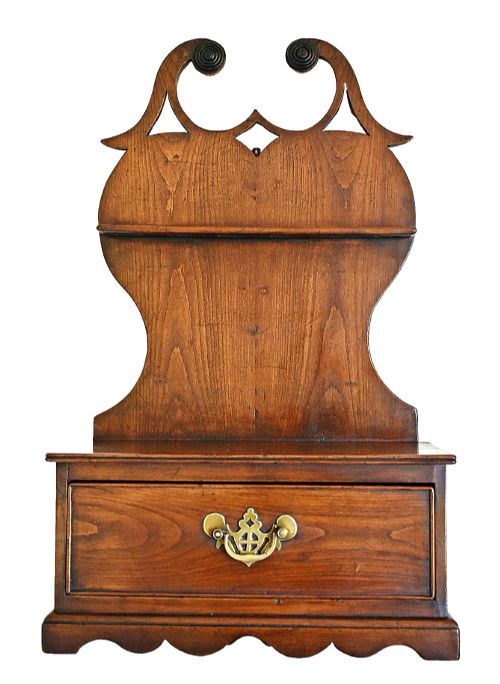
Hanging wooden storage encompasses wall-mounted items such as corner cupboards, corner cabinets, candle boxes, wall shelves, wall cabinets, spoon racks, and linen presses. These pieces utilise vertical wall space effectively, making them practical additions to domestic interiors from the eighteenth century onwards.
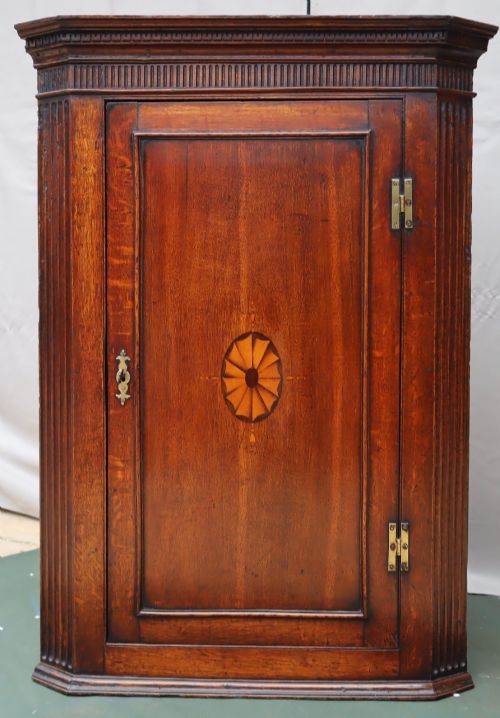
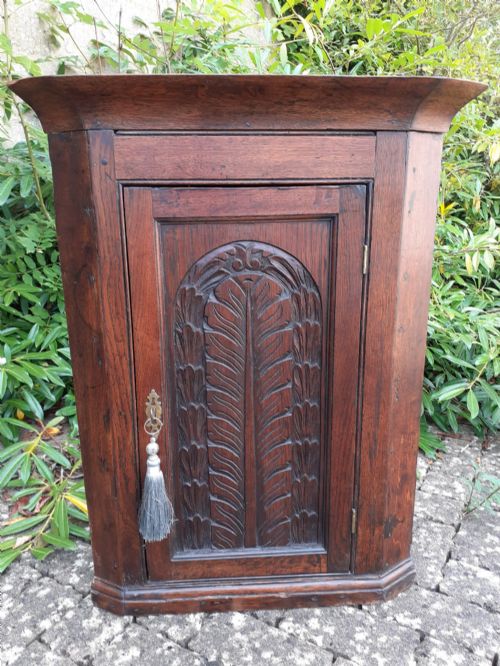
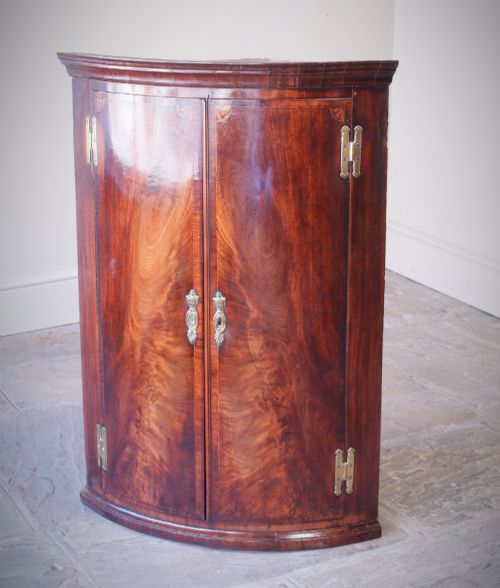
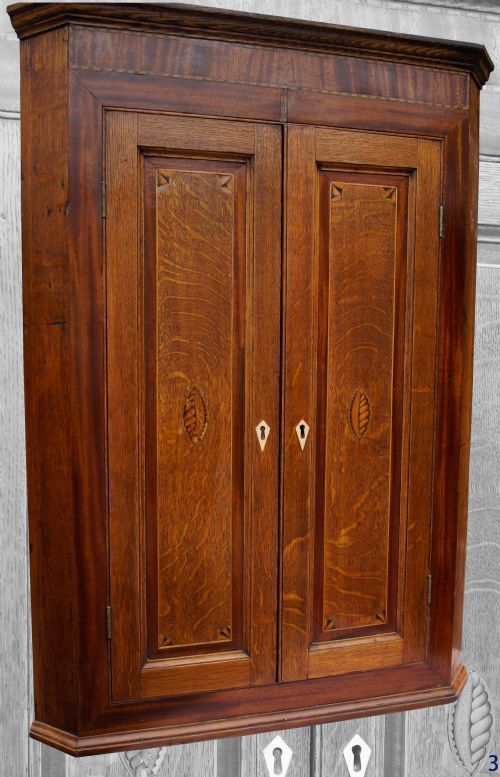
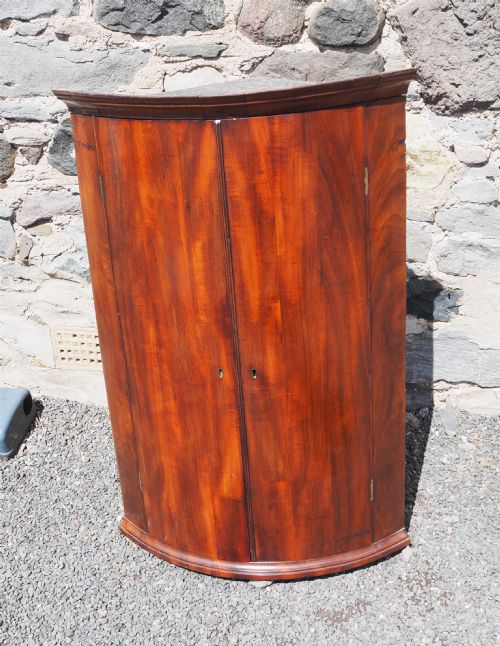
The version most commonly met on this page is the oak or mahogany corner cupboard, frequently dating from the Georgian period. These pieces present either flat or bow front panels, often featuring single doors that open to reveal internal shelving for domestic storage.
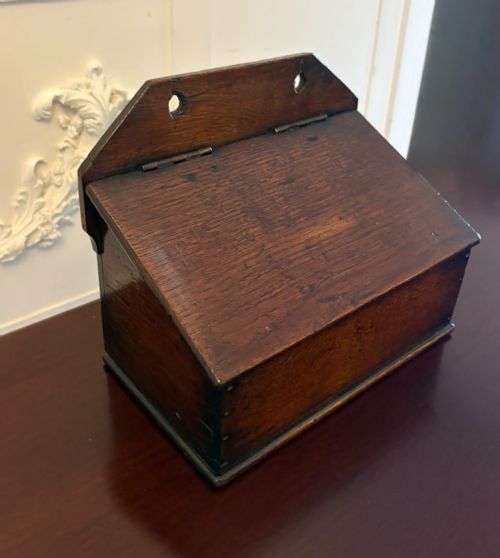
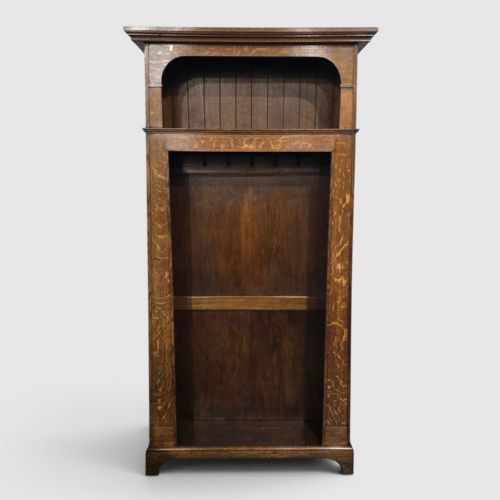
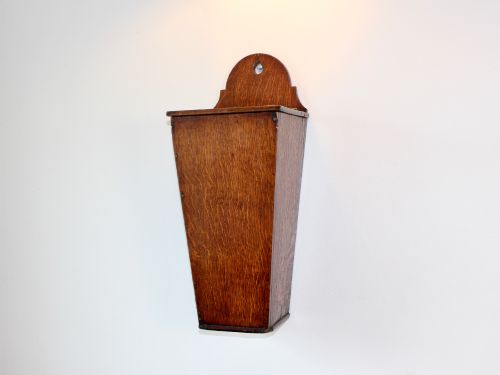
Beyond corner cupboards, listings include wall-hanging spice boxes, candle boxes, and open wall shelves spanning periods from the eighteenth century through to the Edwardian era. These diverse forms reflect utilitarian domestic needs across various historical periods and regional workshops.
How they were made
Cabinet makers utilised timbers such as oak, mahogany, walnut, pine, elm, and teak, often combining solid boards with shaped cornices and applied mouldings. Inlaid details incorporating boxwood or contrasting woods appear on select mahogany and walnut pieces.
Construction methods relied on traditional joinery techniques suitable for wall-mounted weights, utilising iron hinges, brass escutcheons, and keyplates to secure doors and lids. Surfaces were frequently polished or left with a natural waxed finish that highlights the grain of the wood.
Hanging Wooden Storage Retail Price Guide 2026
Typical asking prices for hanging wooden storage among the pieces listed under this phrase on Sellingantiques today, from the lower quarter to the upper quarter. They describe what is for sale here now, not the wider market.
Several centuries ago, someone felt strongly enough about their candle supply to commission a dedicated box to hang on the wall.
What varies in quality
The standard of timber selection and joinery distinguishes finer examples from simpler vernacular pieces. Superior items display well-figured mahogany or closely grained oak, with precise dovetailing and well-fitted doors that hang true on their original brass or iron hardware.
Proportion and decorative restraint dictate the distinction at the upper end of the range. Pieces exhibiting harmonious bow fronts, subtle string inlay, or carved detailing demonstrate a higher level of craftsmanship than basic utilitarian boxes and cupboards.
The Hanging Wooden Storage Glossary
- Bow front
- A convex, curved front profile popular on Georgian corner cupboards and cabinets. This curved shape softens the corner placement of wall-mounted furniture.
- Corner cupboard
- A triangular cabinet designed to fit directly into the corner of a room. These pieces maximise interior space by utilising unused wall junctions.
- Spice box
- A small wall-hanging or table cabinet fitted with internal drawers or compartments for storing spices. These functional boxes often date from the eighteenth century.
- Linen press
- A large storage cabinet traditionally used for household linens, occasionally found in wall-hanging or wardrobe formats. They provide substantial enclosed shelving space.
- Escutcheon
- A protective plate surrounding a keyhole, frequently fashioned from brass. It guards the surrounding wood from wear caused by the key.
Hanging Wooden Storage: Frequently Asked Questions
What are hanging wooden storage items used for?
These wall-mounted pieces served practical domestic purposes, from holding household candles and spices to displaying spoons and storing corner provisions.
Today, they function well in modern interiors for organising smaller items while preserving floor space in compact rooms.
How do I identify a Georgian corner cupboard?
Georgian examples typically feature solid oak or mahogany construction, often with fielded panel doors, brass H-hinges, and moulded cornices.
Many incorporate bow-front designs or subtle inlay work characteristic of eighteenth-century and early nineteenth-century cabinet making.
Are all these cabinets made from solid wood?
The listings show pieces constructed from solid timbers including oak, mahogany, walnut, pine, elm, and teak.
Secondary woods like pine frequently appear on interior secondary elements such as backboards and internal shelf supports.
How do I hang a heavy antique wall cupboard?
Due to the solid wood construction and historical weight of these pieces, secure wall fixings aligned with internal structural battens are essential.
Professional installation ensures the safe support of both the cabinet and its contents against the wall.