


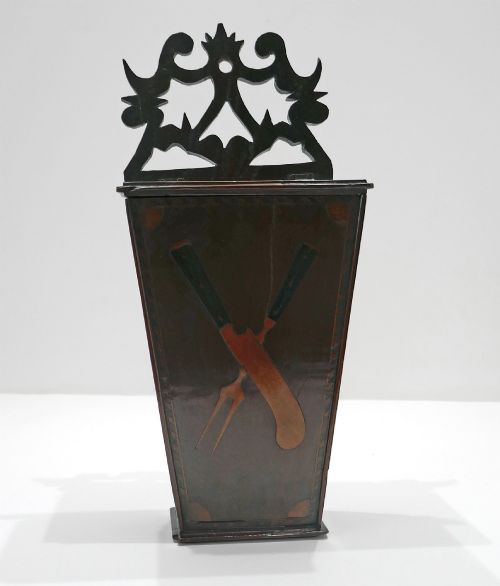

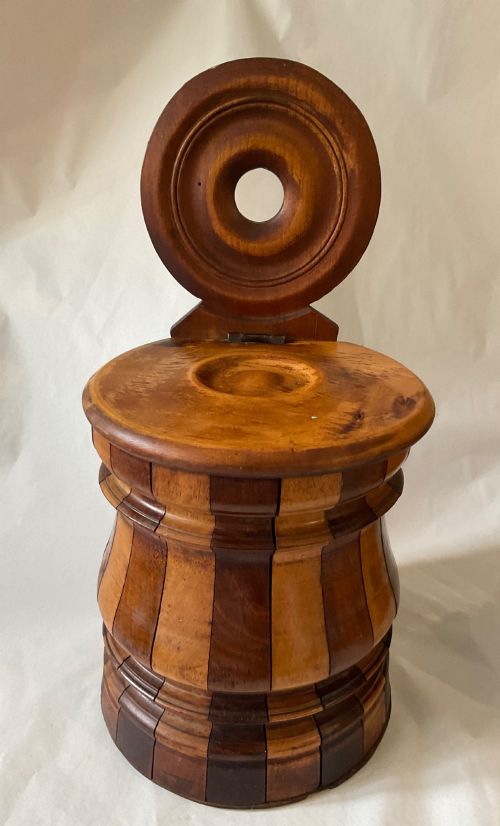
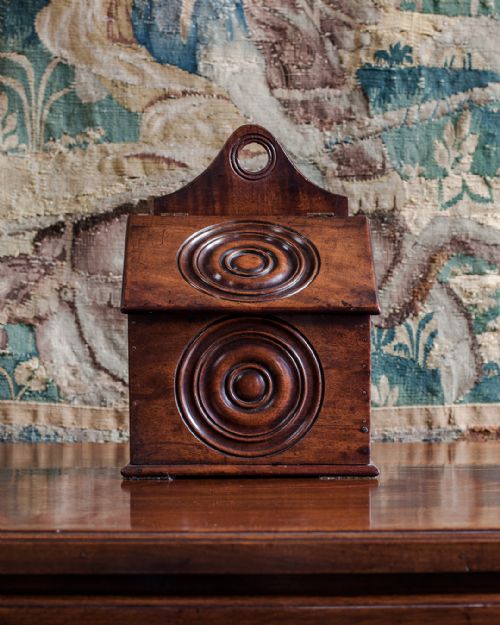

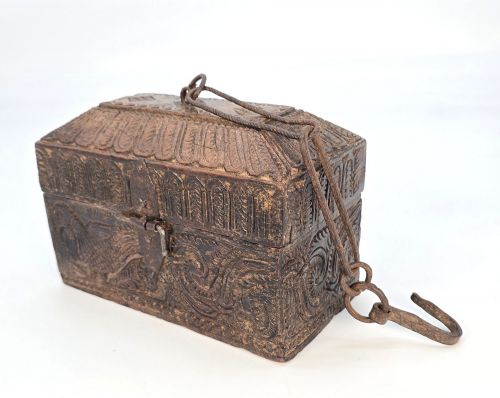
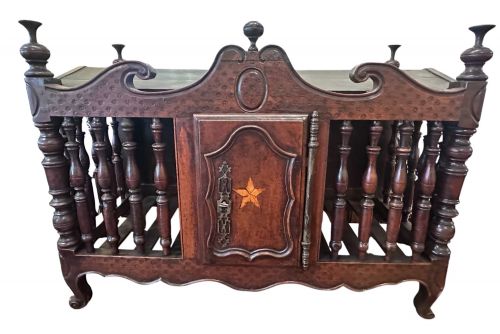


Hanging Wood Box
These hanging wood box pieces are functional wall-mounted storage forms crafted from timber, offering period utility and decorative charm for domestic spaces.
Hanging Wood Box
A hanging wood box provides compact wall storage across various forms such as wall cabinets, salt boxes, and candle boxes. These functional containers were designed to keep household necessities within easy reach while saving floor and table space.
The selections available here reflect domestic and maritime origins spanning the eighteenth and nineteenth centuries. Pieces range from rustic country salt containers to refined Georgian cutlery boxes and folk art wall cupboards.
Buyers frequently encounter regional expressions including French Country bread cages, Swedish painted cupboards, and Welsh pine boxes. Each variant demonstrates the specific domestic storage needs of its historical context.
Materials and construction methods
Cabinet makers utilised native and imported hardwoods like oak, mahogany, walnut, and fruitwood alongside softer pine for domestic storage items. Construction frequently involved pegged joints, dovetailing, and iron or brass hardware to secure wall-hanging mechanisms.
Surface treatments range from natural waxed finishes highlighting timber grain to traditional painted or gilded decoration. Details such as boxwood and ebony inlay, hand carving, and turned elements elevate simple utilitarian forms.
Hanging Wood Box Retail Price Guide 2026
Typical asking prices for hanging wood box among the pieces listed under this phrase on Sellingantiques today, from the lower quarter to the upper quarter. They describe what is for sale here now, not the wider market.
Some maritime pieces recorded here witnessed ocean spray while racing miniature wooden hulls across the nineteenth-century sea.
Distinctions in quality
Quality in a hanging wood box rests on the integration of material selection, joinery technique, and surface preservation. Superior examples display thoughtful timber selection, such as figured mahogany or well-chosen oak, matched with precise hand-cut joinery.
The sophistication of decorative embellishment distinguishes standard utility pieces from finer items. Subtle carved detailing, crisp inlay work, or original painted surfaces indicate a higher standard of craftsmanship from the period.
The Hanging Wood Box Glossary
- Salt box
- A wall-mounted container traditionally used to keep salt dry near a hearth. These items often feature a sloping hinged lid and a high backboard with a suspension hole.
- Panetiere
- A traditional French food cage designed for storing bread away from pests. They typically feature turned spindles and pierced woodwork for ventilation.
- Dovetail
- A joint formed by interlocking wedge-shaped fingers used in box construction. This method provides strong tensile resistance for hanging containers.
- Inlay
- A decorative technique where contrasting materials like boxwood and ebony are inserted into cavities carved into the base wood. This creates flat patterned surface designs.
- Mauclineware
- Small turned wooden souvenirs typically decorated with photographic transfers or descriptive views. These items were popular nineteenth-century collectables.
Hanging Wood Box: Frequently Asked Questions
How were old salt boxes used?
Salt boxes were hung near fireplaces to keep salt dry and free from lumps in damp kitchens. The sloping lid allowed easy access while protecting the contents from dust and debris.
Over time, these practical kitchen items evolved into decorative wall fixtures valued for their warm timber tones and traditional domestic utility.
Are these boxes suitable for modern walls?
Most hanging boxes feature original suspension brackets, cordage holes, or reinforced backboards designed for wall mounting. Weight varies depending on the timber used, with dense hardwoods requiring secure fixings.
Proper installation ensures safe display in contemporary interiors while preserving the structural integrity of the antique frame.
How do I identify eighteenth century styles?
Eighteenth-century pieces typically display hand-planed surfaces, pegged joinery, and simpler country forms or restrained Georgian detailing. Timber choice often reflects regional availability, such as local oak or fruitwood.
Examining the interior wear patterns and construction methods helps distinguish genuine eighteenth-century work from later reproductions.
What is a candle box?
A candle box was a wall-mounted receptacle designed to store tallow or wax candles safely away from household pests. They generally feature sliding lids or hinged doors with small backplate suspensions.
These compact items showcase diverse regional woodwork styles, ranging from plain pine country boxes to inlaid mahogany presentation pieces.