





Hanging Wall Lights
These hanging wall lights bring together brass, oak, pottery and glass to illuminate period interiors with character.
Hanging Wall Lights
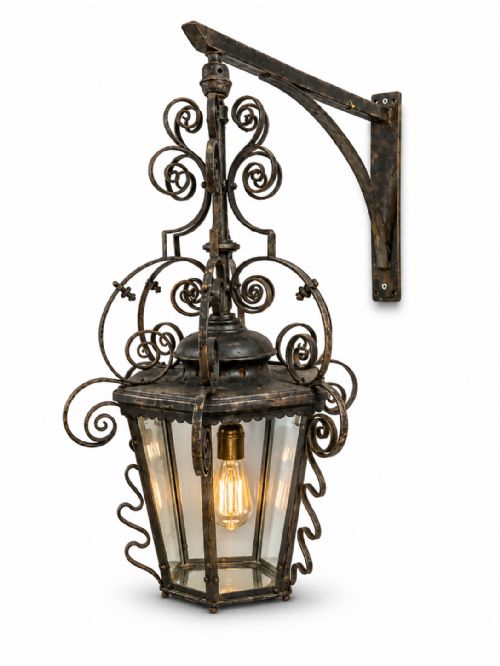
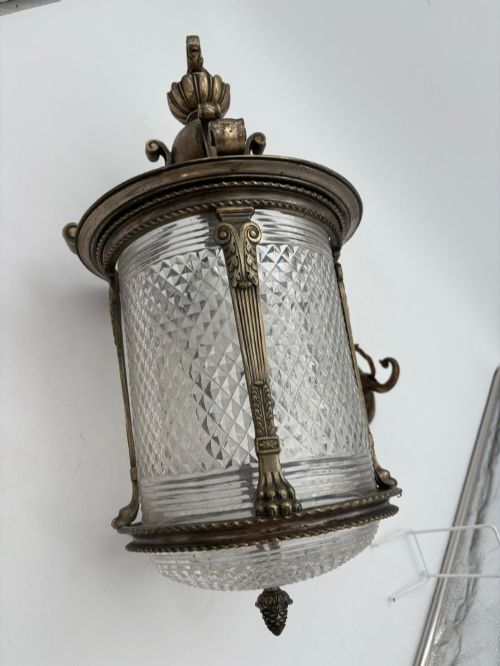
Hanging wall lights encompass diverse wall-mounted fixtures from the Georgian, Victorian and Art Deco periods designed to hold candles or lamps.
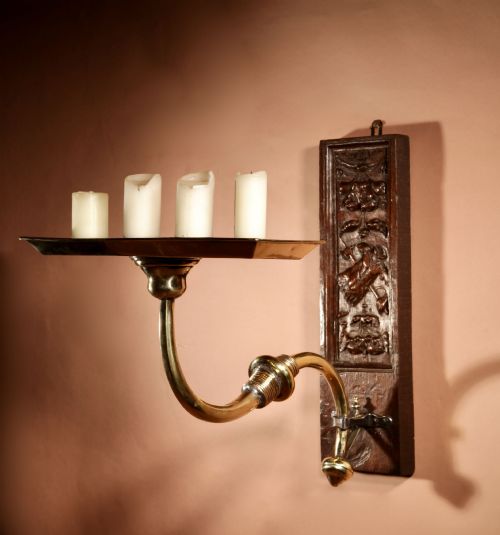
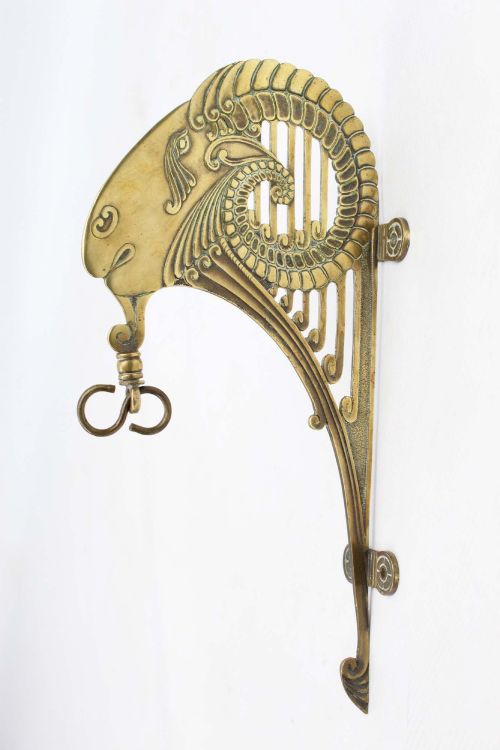
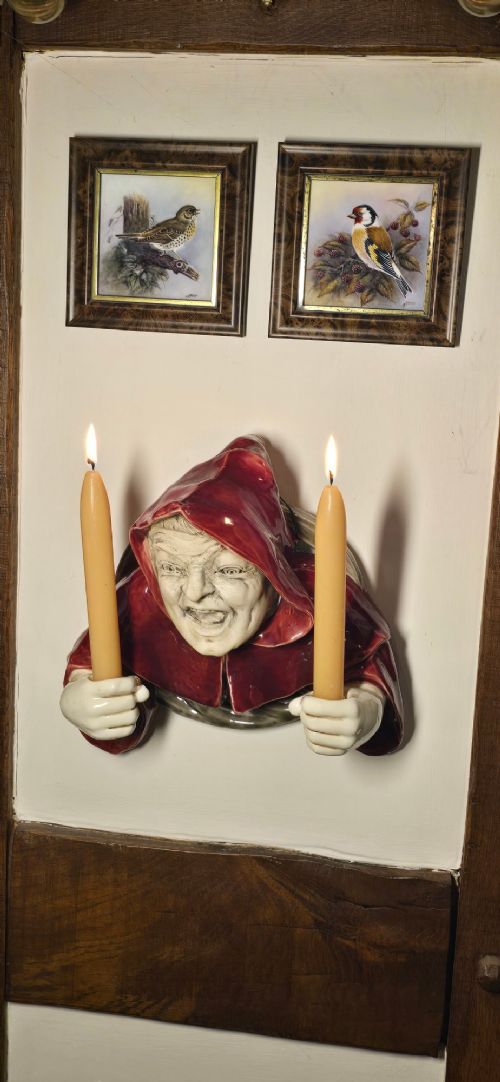
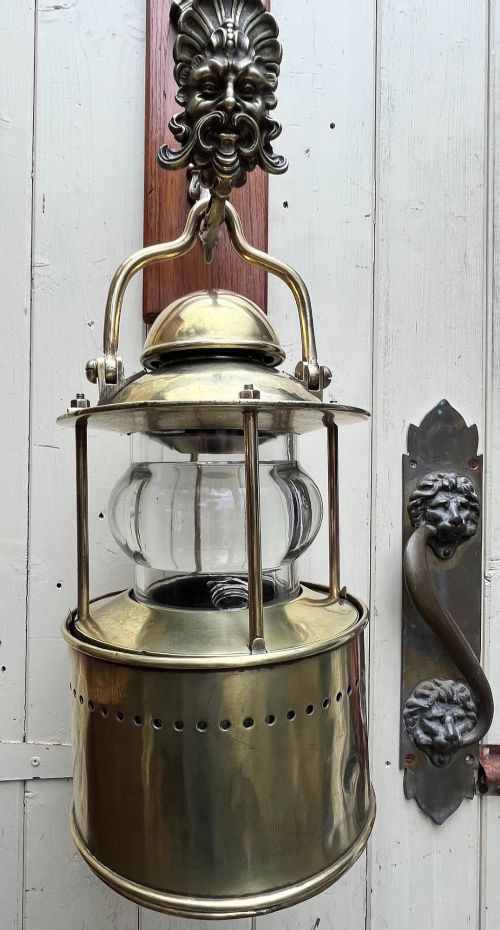
The pieces on this page include brass and oak pricket candle holders, pottery monks acting as wall hanging candelabra, and brass brackets.
Makers utilised various materials including pottery, ceramic, glaze, iron, copper and maple to construct these functional interior objects.
How they were made
Makers constructed these fixtures using solid brass, oak, and maple, often combining metal and timber for structural strength.
Pottery and ceramic elements feature glazed finishes, while other items incorporate turned wood and carved giltwood details.
Hanging Wall Lights Retail Price Guide 2026
Typical asking prices for hanging wall lights among the pieces listed under this phrase on Sellingantiques today, from the lower quarter to the upper quarter. They describe what is for sale here now, not the wider market.
Materials span brass, oak, maple, pottery, ceramic, iron, and copper, paired with styles from Georgian to Art Deco.
What varies in quality
Quality depends on the crispness of the turning in wood components and the weight of the brass or ironwork.
Finishes show distinction where hand-carved giltwood or detailed pottery glazes exhibit greater artisanal control.
The Hanging Wall Lights Glossary
- Pricket
- A spike on a candle holder designed to secure a candle by its base. This form appears on 19th-century brass and oak pieces.
- Spill holder
- A small container for holding thin tapers used to transfer fire from a hearth to a candle or pipe. Early 19th-century turned examples are recorded in the evidence.
- Giltwood
- Timber that has been coated with gold leaf or a gold-coloured finish. Florentine hanging lanterns utilise this decorative technique.
- Bracket
- A structural support projecting from a wall to hold a lamp or candle. Art Deco brass versions provide a streamlined example of this form.
Hanging Wall Lights: Frequently Asked Questions
What periods do these wall lights come from?
The pieces span from the Georgian era through the 19th century and into the Edwardian and Art Deco periods.
Individual items reflect the prevailing design sensibilities of their specific decade of manufacture.
How were hanging wall lights used?
They were mounted to walls to provide illumination in domestic interiors using candles, oil, or early lamps.
Designs ranged from pricket candle holders to wall lanterns and candelabra.
What materials are common in these fixtures?
Brass, oak, maple, pottery, ceramic, iron, and copper appear frequently across the different items.
Some pieces also feature carved giltwood and specialised glaze treatments.
How do styles differ across the eras?
Earlier pieces show Victorian Gothic and Rococo Revival influences, alongside Georgian turned work.
Later items embrace the geometric forms of Art Deco and the craftsmanship of the Arts and Crafts movement.