





Hanging Vanity Mirror
These hanging vanity mirror pieces bring reflective glass and decorative frames together for wall mounting.
Hanging Vanity Mirror
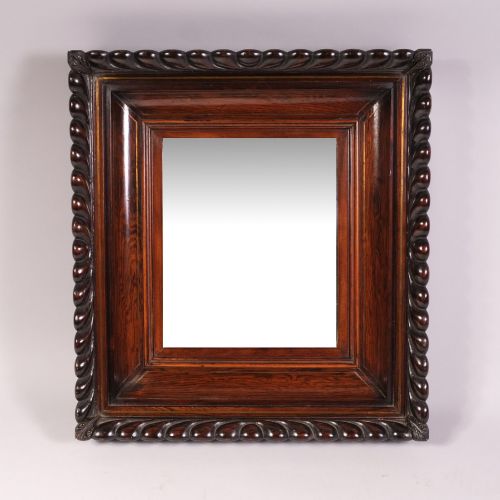
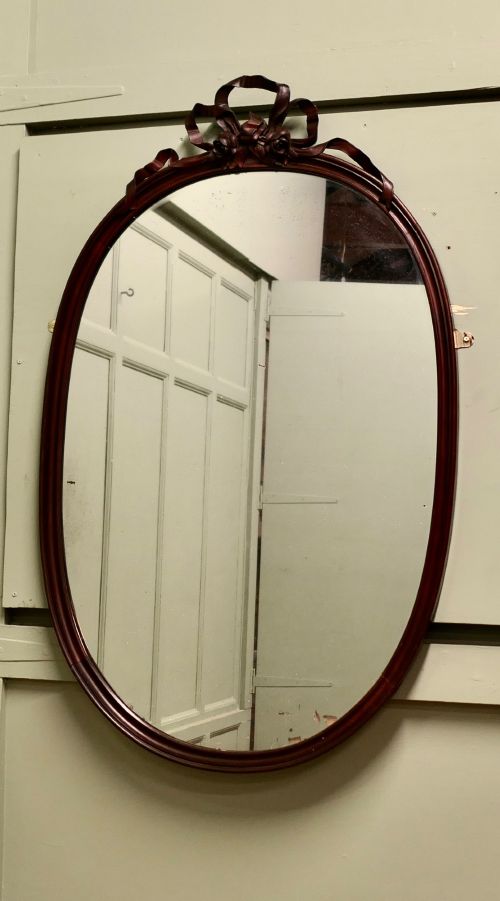
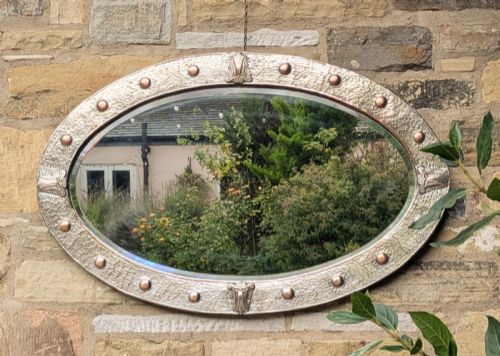
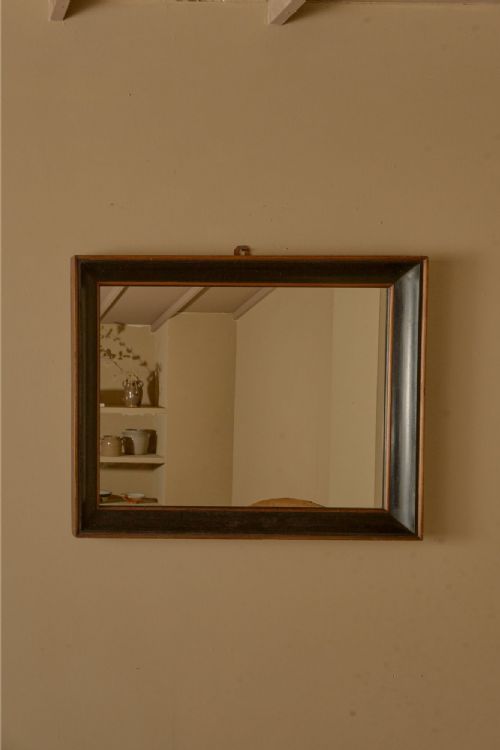
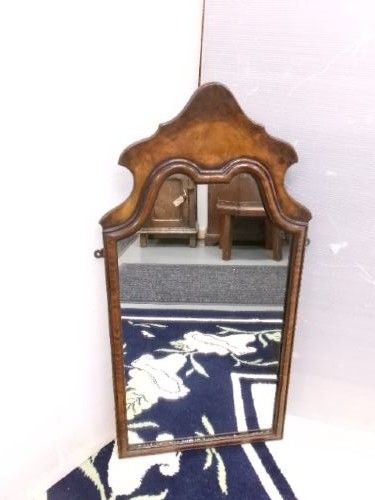
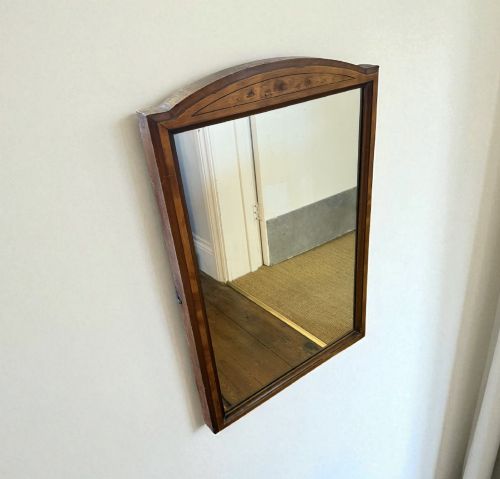
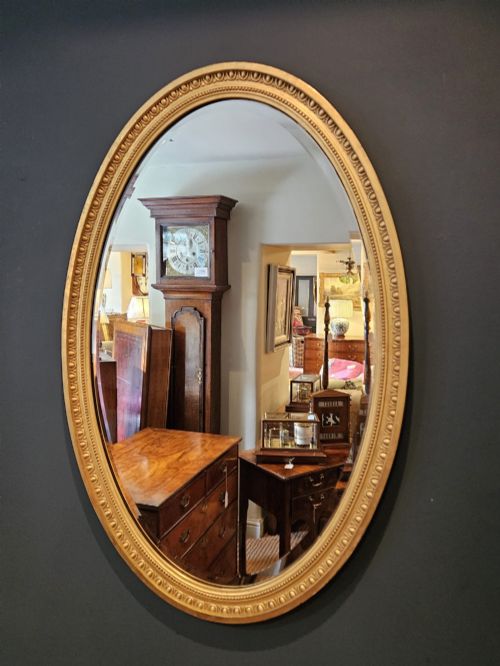
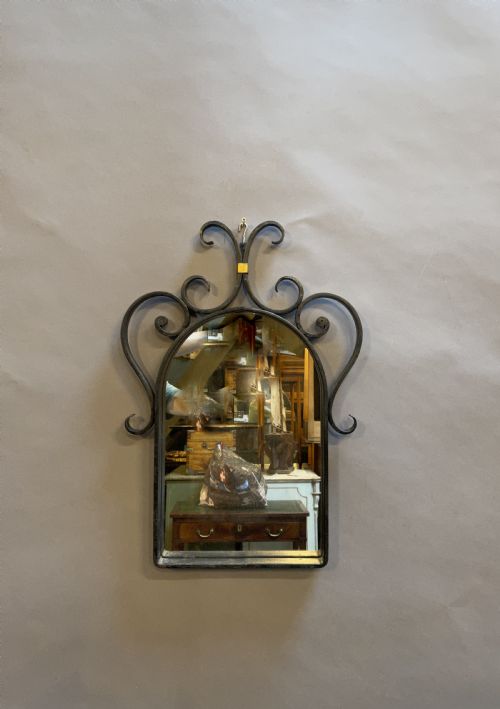
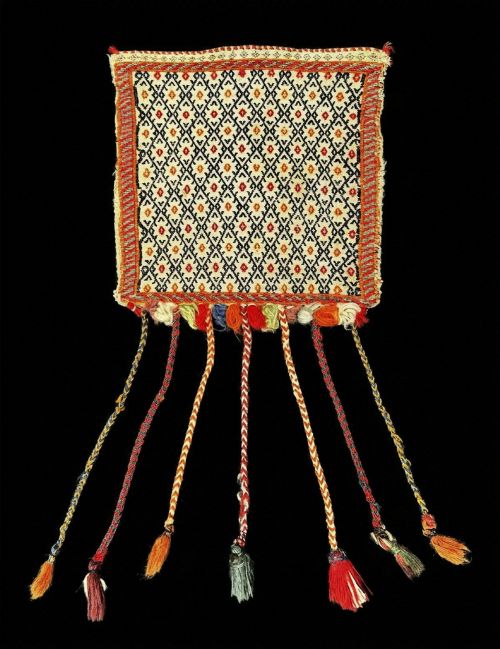
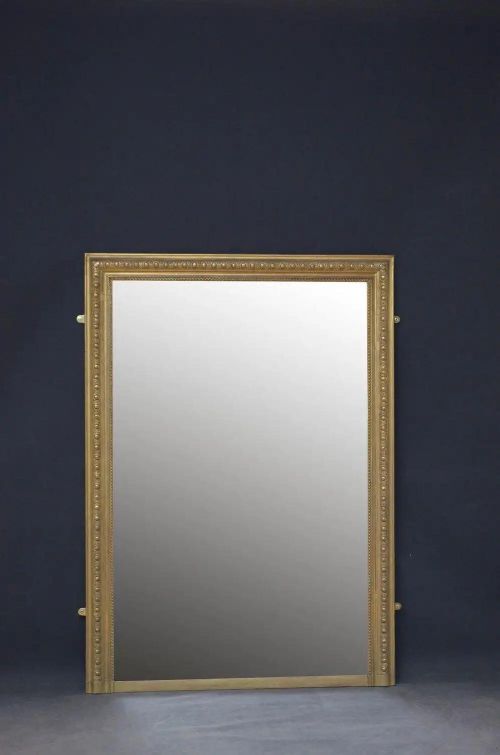
A hanging vanity mirror combines functional reflective glass with a decorative frame designed for wall placement, frequently encountered in periods from the nineteenth century through the early twentieth century. These pieces appear in various forms including oval, arched, and circular wall mirrors alongside textile bags designated for vanity use.
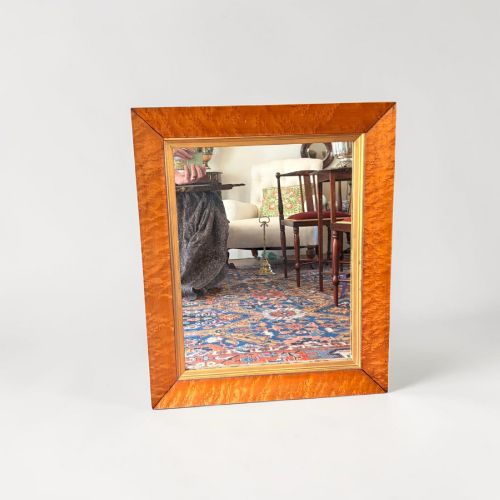
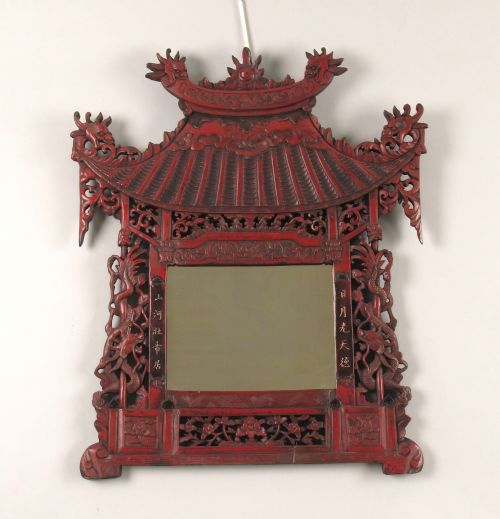
The materials span wood varieties like mahogany, walnut, oak, and satinwood alongside metals such as brass and bronze, often finished with gesso, gold leaf, or red lacquer. Frames display stylistic influences ranging from Victorian Rococo Revival and Edwardian details to Art Deco geometry and French provincial designs.
How they were made
Frames utilise solid woods and veneers including mahogany, walnut, oak, and birds eye maple, shaped into arched, rectangular, or circular profiles. Carved elements, plaster gesso, and applied gold leaf provide decorative enrichment across many examples.
Metal frames employ cast brass, pressed brass, and bronze, sometimes incorporating pierced edges or inlaid materials like nacre-shell and bone into walnut or fruitwood supports.
Hanging Vanity Mirror Retail Price Guide 2026
Typical asking prices for hanging vanity mirror among the pieces listed under this phrase on Sellingantiques today, from the lower quarter to the upper quarter. They describe what is for sale here now, not the wider market.
Some Victorian and Edwardian examples feature cheerful carved cherubs keeping watch over your morning reflection.
What varies in quality
The refinement of the frame carving and the application of surface finishes determine the distinction between standard and superior examples. Hand-carved crests, detailed brass castings, and well-executed gilding demonstrate greater artisan involvement.
The selection of cabinet timbers, such as figured burr walnut, satinwood, or birds eye maple, signals higher production standards than plain secondary woods.
The Hanging Vanity Mirror Glossary
- Gesso
- A plaster-based mixture applied to wood frames to provide a smooth surface for gilding or painting. It allows intricate mouldings and relief decoration to be formed before the application of gold leaf.
- Giltwood
- Timber that has been coated with gold leaf or gold paint. This technique creates a luminous metallic finish popular across various decorative styles.
- Burr walnut
- A figured wood veneer taken from the growth excrescences on walnut trees. It displays complex, swirling grain patterns highly prized in cabinet making.
Hanging Vanity Mirror: Frequently Asked Questions
Where should a hanging vanity mirror be placed?
These mirrors suit placement in bedrooms, hallways, or above dressing tables where wall mounting is practical.
Ensure the hanging fixings match the weight of the specific timber, brass, or glass construction.
How do I clean the glass and frame?
Use a dry microfibre cloth to remove dust from wooden or gilded frames without disturbing the finish.
Apply glass cleaner sparingly to a cloth rather than directly onto the mirror plate to protect old silvering.
Are these mirrors heavy to hang?
Weight varies considerably depending on whether the frame utilises dense hardwood, cast brass, or plaster gesso.
Substantial pieces require appropriate wall anchors and secure fixings to support the load safely.
How do I identify the period of a mirror?
Examine the timber species, construction joints, and decorative style against known historical design periods.
Victorian and Edwardian pieces often display distinct revival motifs, while Art Deco examples favour geometric simplicity.