




Hanging Oak Display Shelves
Hanging oak display shelves are practical timber wall fixtures designed to show ceramics and small treasures, combining robust utility with period charm.
Hanging Oak Display Shelves
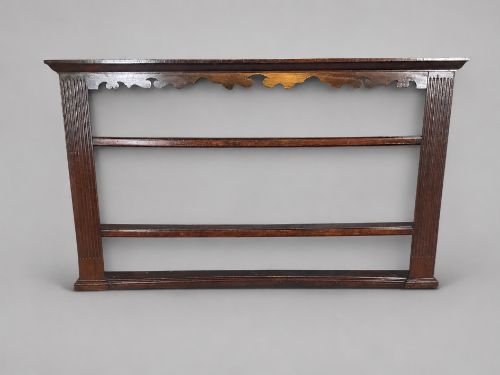
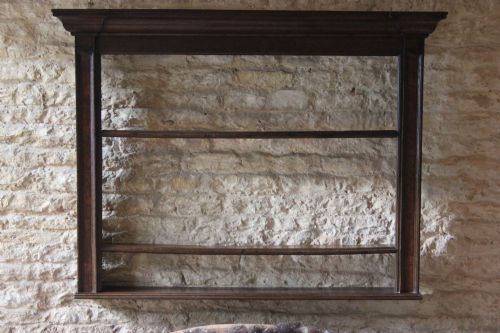
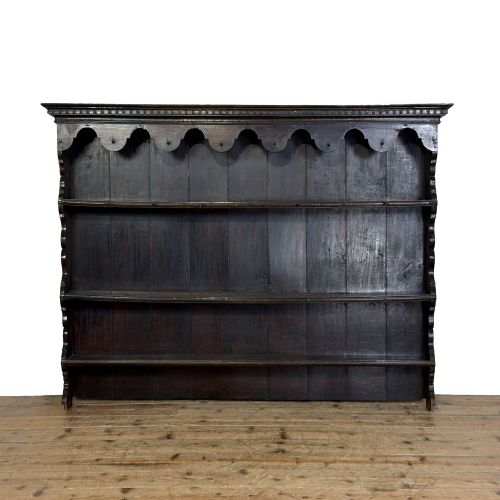
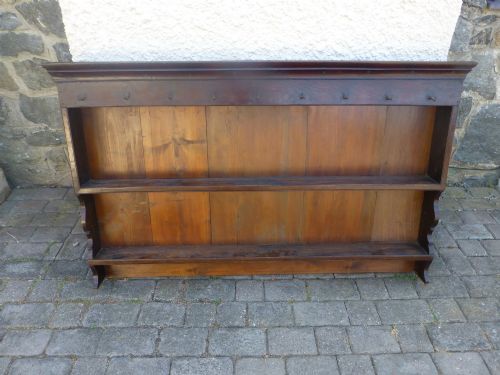
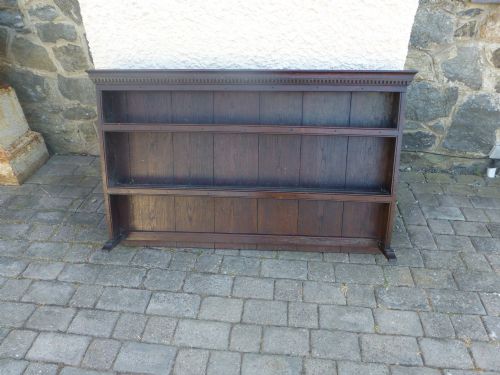
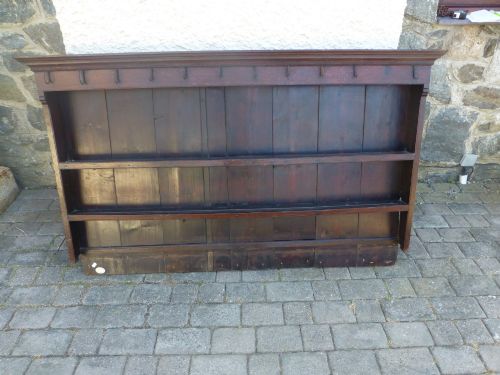
When you search for hanging oak display shelves, you encounter wall-mounted timber fixtures primarily spanning the seventeenth, eighteenth, and nineteenth centuries. These pieces encompass open delft racks, enclosed wall cabinets, and multi-tiered wall shelves designed to save floor space while exhibiting ceramics and decorative items.
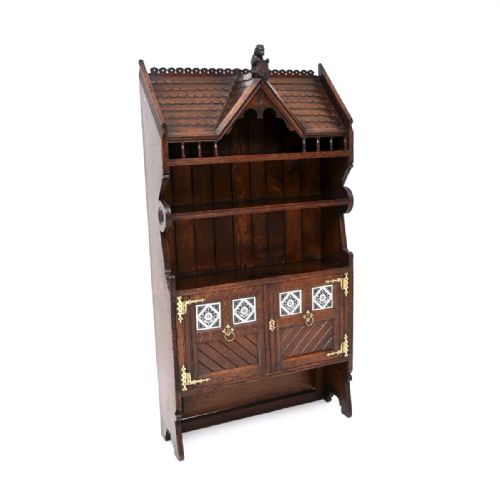
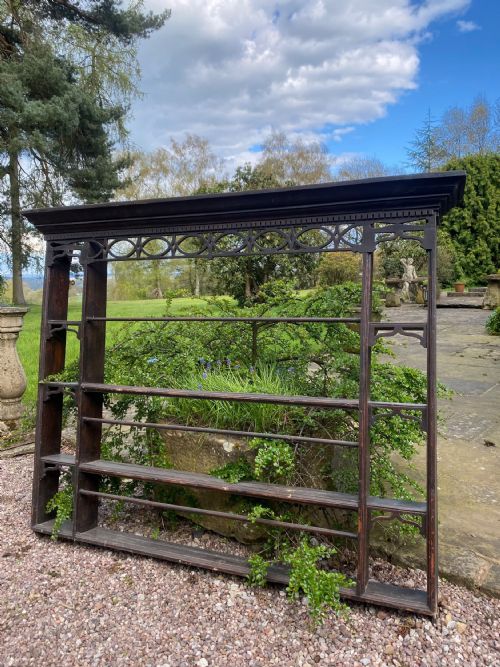
The version you meet most frequently on this page is the eighteenth-century oak delft plate rack, often associated with Georgian country houses. Alongside these vernacular plate racks, the selection includes Victorian Gothic revival pieces and Aesthetic movement cabinets that incorporate glazed doors and carved detailing.
Originating largely from English workshops, these wall-mounted fittings range from simple rustic plank construction to more elaborate architectural formats featuring panelled doors and brass or iron fixings. They serve both storage and display functions in domestic interiors.
How they were made
Makers constructed these hanging oak display shelves using solid oak timber, frequently complemented by secondary woods such as beech in structural or interior components. Carpenters utilised traditional joinery methods, including pegged mortise and tenon joints for frames and dovetailed construction for internal box sections.
Surface treatments rely primarily on the natural grain of the wood, sometimes enhanced by staining or historic finishes that have darkened over centuries. Hardware such as hinges, latches, and hanging brackets are typically forged from iron or cast in brass, securing the timber assemblies to walls.
Hanging Oak Display Shelves Retail Price Guide 2026
Typical asking prices for hanging oak display shelves among the pieces listed under this phrase on Sellingantiques today, from the lower quarter to the upper quarter. They describe what is for sale here now, not the wider market.
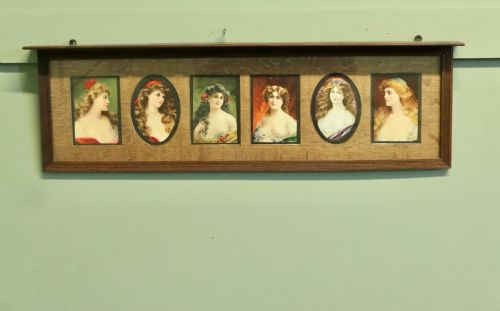
One unusual nineteenth-century shelf includes six mounted pre-Raphaelite portraits, proving that someone once wanted their ancestors to judge every cup of tea.
What varies in quality
The distinction between standard domestic items and finer examples lies in the selection of timber and the sophistication of the carving. Superior pieces display carefully chosen quarter-sawn oak grain, crisp mouldings, and hand-carved decorative motifs rather than plain sawn boards.
Construction depth also dictates standing, where integrated architectural cornices, panelled backing boards, and original hardware elevate a piece. Simpler vernacular racks rely on utility, whereas cabinetwork from the aesthetic and gothic revival periods demonstrates greater structural complexity and decorative ambition.
John Moyr Smith
The Hanging Oak Display Shelves Glossary
- Delft rack
- An open wall-mounted shelving unit specifically designed with grooved ledges to display ceramic plates upright. These fixtures were traditionally positioned above dressers in domestic kitchens and dining rooms.
- Quarter-sawn
- A method of timber cutting where logs are quartered lengthwise, producing boards with prominent ray fleck patterns and superior dimensional stability. This grain configuration is typically found in better quality furniture.
- Mortise and tenon
- A traditional woodworking joint where a projecting tongue fits snugly into a corresponding cavity to lock two pieces of timber together at a right angle. Wooden pegs often secure this joint.
- Aesthetic movement
- A late nineteenth-century design style emphasising visual beauty over narrative subject matter, often incorporating Japanese influences and clean architectural lines. Pieces from this movement frequently utilise stained woods and brass fittings.
Hanging Oak Display Shelves: Frequently Asked Questions
How do I hang antique shelves safely?
Secure these fixtures directly into wall studs or use appropriate heavy-duty fixings suited to the wall substrate. Because solid oak timber carries considerable weight, reliable wall anchoring is essential.
Ensure the mounting brackets or internal screw points engage firmly with the primary timber framework of the shelf rather than decorative mouldings.
What is a delft rack used for?
A delft rack is designed to hold ceramic plates and platters upright against a wall. The narrow shelves feature a raised lip or groove to prevent plates from sliding forward.
Beyond kitchenware, collectors utilise these open tiers to display small ornaments, glassware, and books in living spaces.
How do I distinguish eighteenth-century oak from later copies?
Examine the timber surfaces for tool marks, hand-cut joinery, and the distinct irregular patina developed through centuries of handling. Eighteenth-century pieces frequently feature pegged joints and wide, unglued backboards.
Inspect the hardware and fixings for signs of period forging or casting methods that align with the stated century.
Can these shelves support heavy ceramic collections?
Solid oak construction provides substantial inherent strength, allowing these shelves to bear significant weight when properly mounted. However, the load capacity depends on the condition of the backboards and wall fixings.
Distribute heavier items across the lower tiers and avoid overloading upper decorative shelves to maintain stability.