

Handwoven Wool Wall Rug
When you search for a handwoven wool wall rug, you are exploring textiles that bring nomadic and tribal history into modern rooms.
Handwoven Wool Wall Rug
When searching for a handwoven wool wall rug, you encounter functional tribal textiles repurposed from nomadic tents and settlements across Persia, Central Asia, and Eastern Europe.
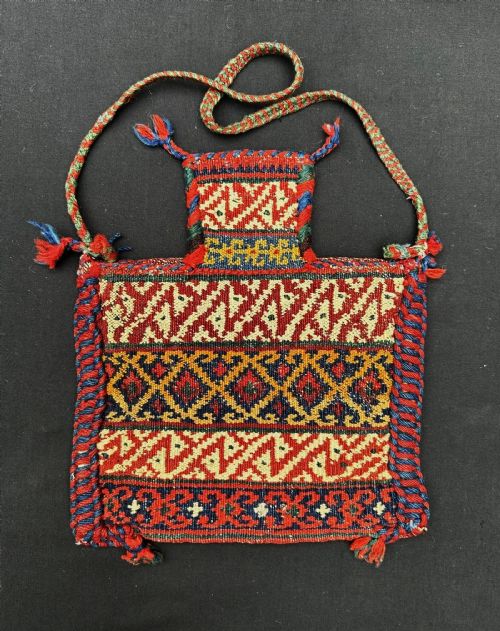
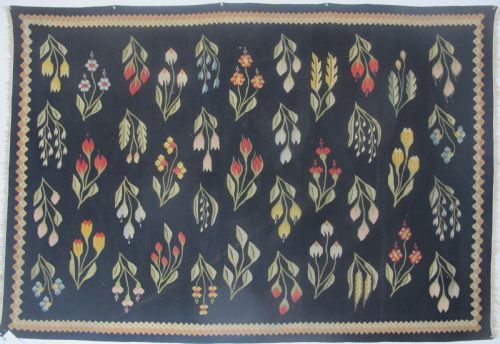
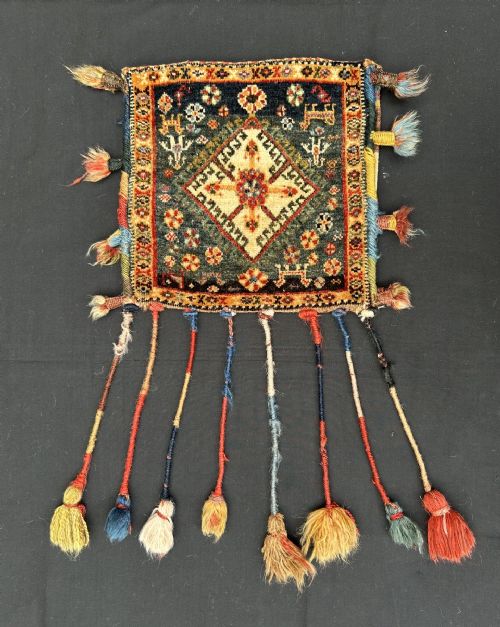
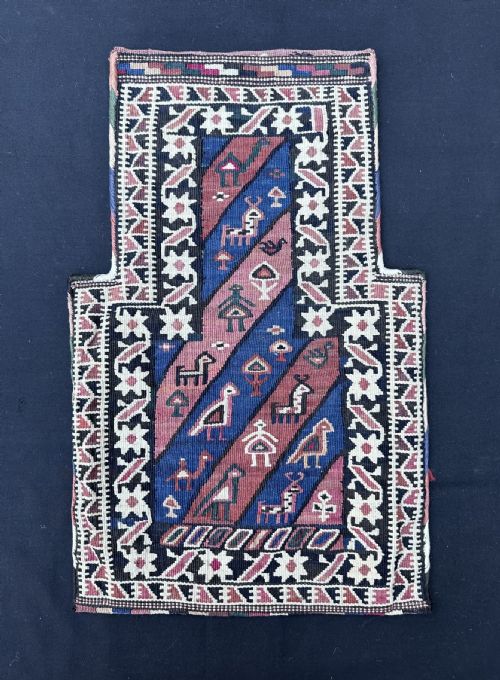
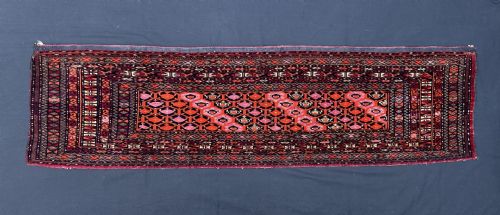
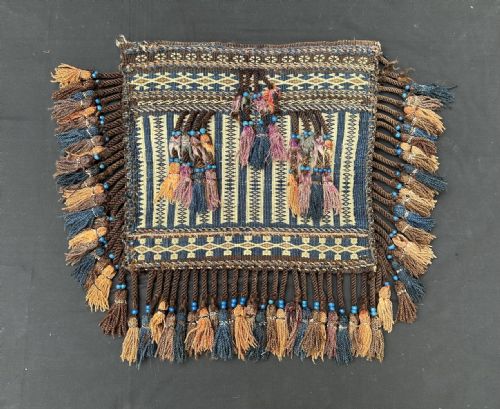
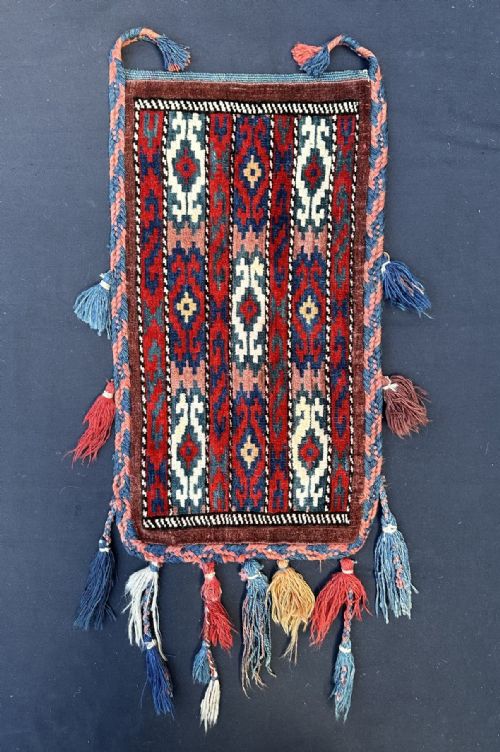
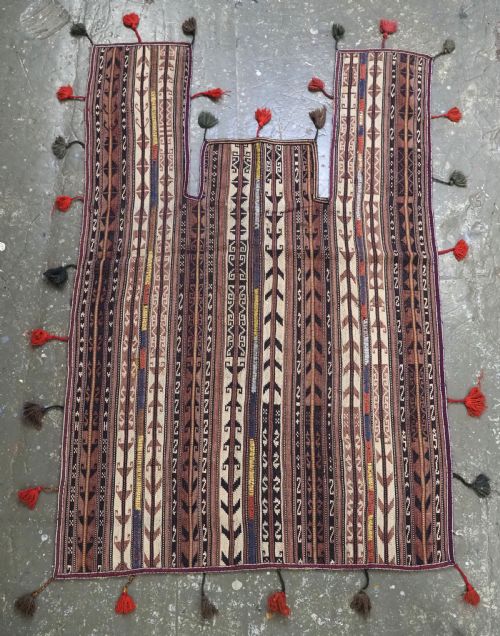
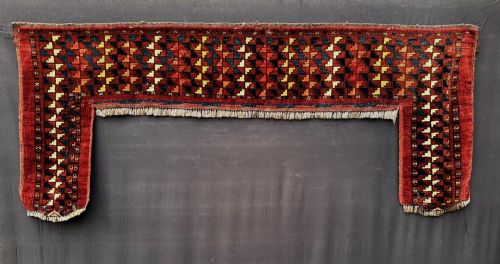
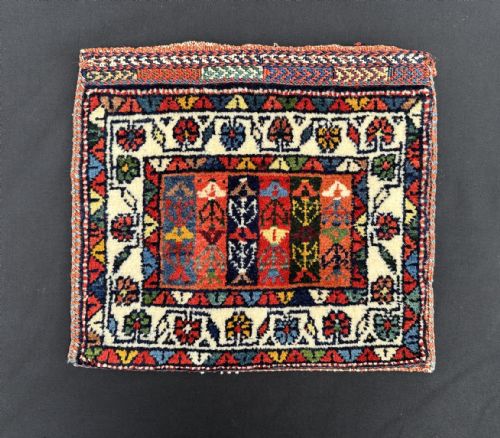
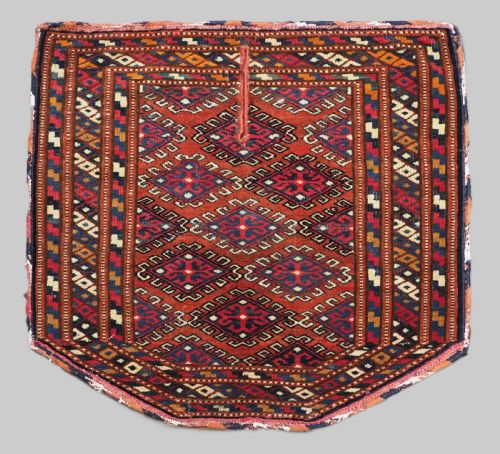
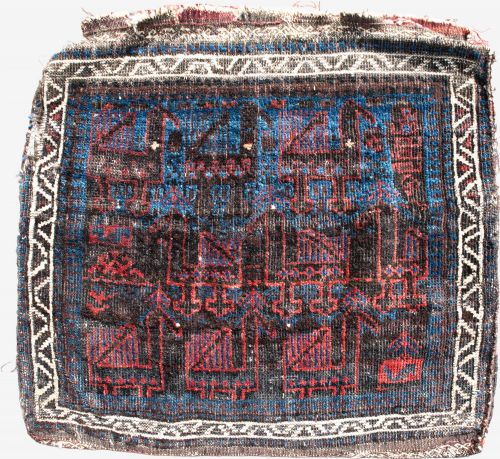
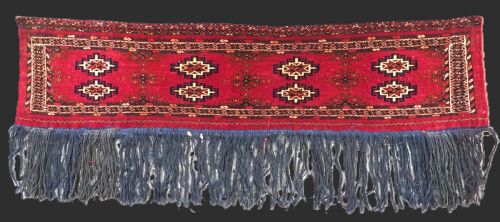
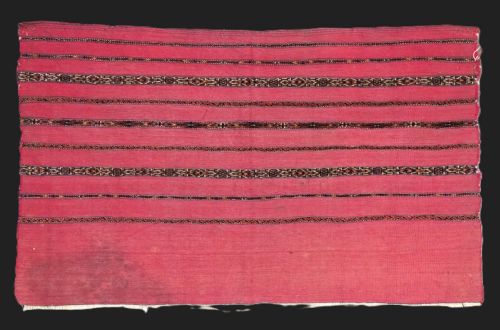
The selection here comprises storage bags, animal trappings, storage bag faces, bread spreads, and floral tapestries spanning the nineteenth and early twentieth centuries.
Pieces originate from specific confederacies and tribes, including the Yomut, Tekke, Saryk, Ersary, Afshar, and Qashqa'i.
How They Were Made
Weavers utilised hand-spun wool, cotton, and goat hair, dyed with natural colourants to build deep foundations for each textile.
Certain examples incorporate embellishments such as glass beads and cowrie shells directly into the fabric structure.
The construction methods combine pile knotting and flatweave techniques, executed on portable looms by nomadic and village makers.
Nomadic weavers occasionally stitched cowrie shells and glass beads directly onto storage bags to ward off the evil eye.
What Varies in Quality
The calibre of a piece depends on the density of the weave and the precision with which tribal motifs like guls or curled leaves are rendered.
The complexity and variety of natural dye colours contribute significantly to the visual impact and depth of the textile.
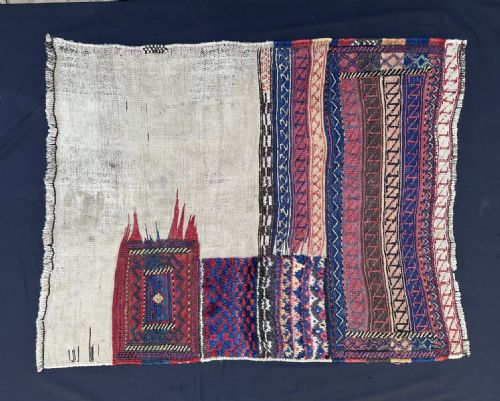
The integrity of the remaining structure, whether complete with a plain weave back or surviving as a bag face, dictates the character of the object.
The Handwoven Wool Wall Rug Glossary
- Gul
- An octagonal or medallion-like motif frequently repeated across Turkmen tribal weavings. Each tribe utilised distinct versions of these primary design elements.
- Asmalyk
- A ceremonial camel trapping produced in Central Asia for wedding processions. These pentagonal or triangular hangings display intricate tribal iconography.
- Sofreh
- A flatwoven spread or cloth utilised for dining, kneading bread, or processing flour. These utility textiles exhibit striking geometric minimalism.
- Chuval
- A large storage bag used by Turkmen tribes for household goods. Surviving faces demonstrate fine knotting and varied gul arrangements.
Handwoven Wool Wall Rug: Frequently Asked Questions
What is a tribal bag face?
A tribal bag face is the decorative front panel of a utilitarian nomadic storage sack that has been separated from its plain weave back. These panels were preserved for their intricate knotting and design.
Collectors often mount these textile fragments directly onto walls to display the artistry of specific regional groups without needing the complete three-dimensional storage object.
How do I hang a textile on the wall?
Hanging a textile safely requires distributing the weight evenly across the top edge rather than piercing the fabric with pins or nails. Stitching a cotton sleeve to the reverse allows a slim wooden batten or rod to slide through for support.
This method prevents distortion and ensures the wool hangs flat against the surface while remaining easily removable for maintenance.
Where did these nomadic pieces originate?
These pieces originate from tribal confederacies and nomadic groups traversing regions such as Persia, Afghanistan, and Turkmenistan. Communities including the Yomut, Tekke, Afshar, and Qashqa'i produced them for daily domestic life or ceremonies.
Each region developed distinct palettes, materials, and structural patterns influenced by local geography and tribal heritage.
What are natural dyes in old textiles?
Natural dyes are colourants derived from plant, root, insect, and mineral sources utilised before the widespread adoption of synthetic aniline dyes in the late nineteenth century. These traditional substances produce rich, varied tones that mature gracefully over decades.
Variations in dye batches create subtle shifts in shade known asabrash, adding visual movement across the wool surface.