


Handwoven Wool Floral Carpet
A handwoven wool floral carpet brings warmth and rich pattern to a room, drawing on decades of traditional weaving.
Handwoven Wool Floral Carpet
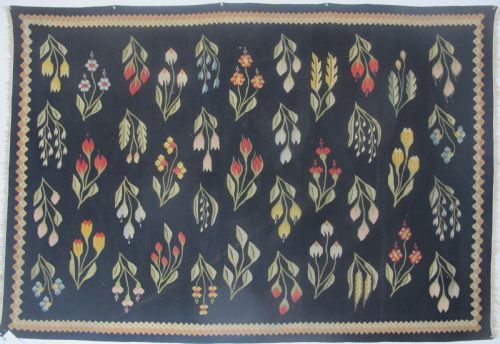
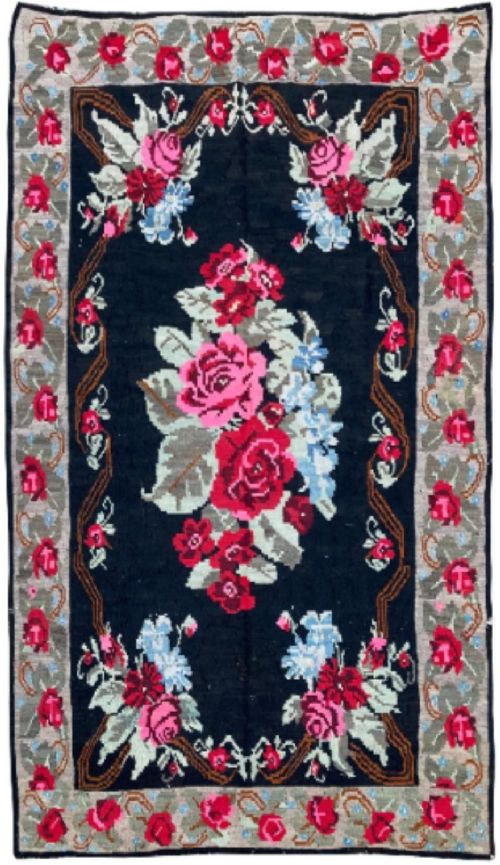
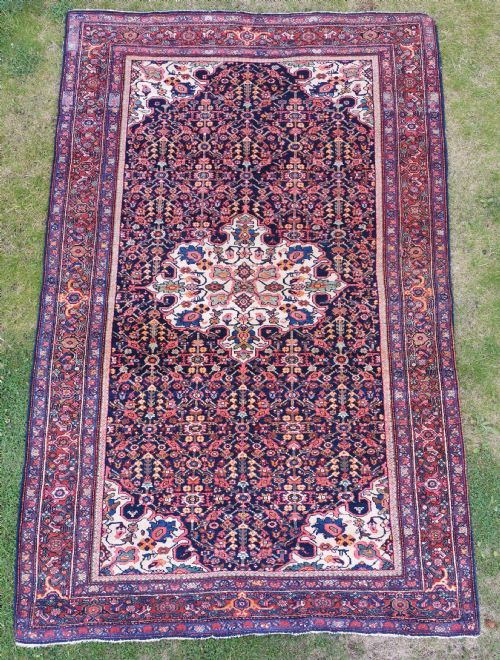
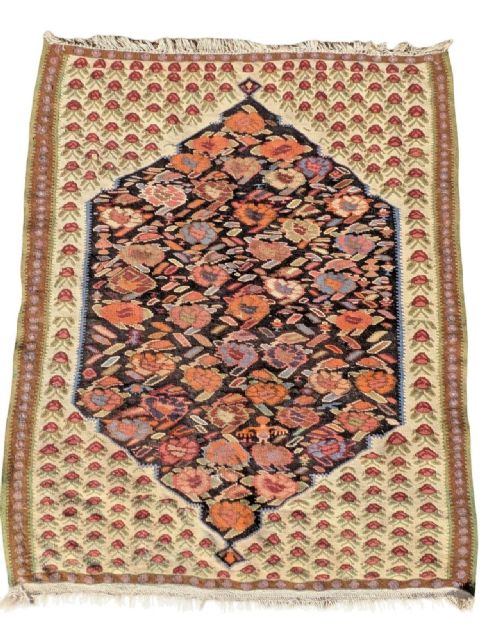
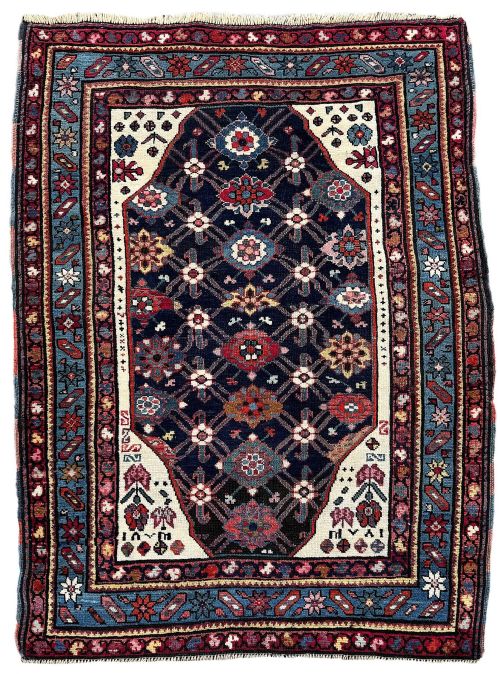
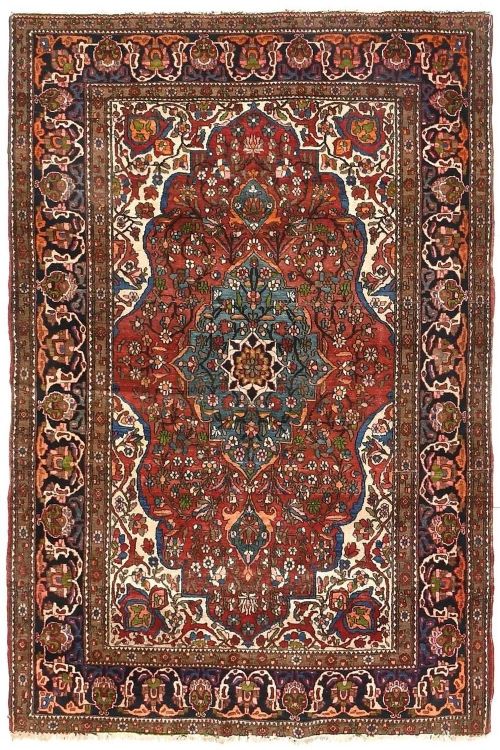
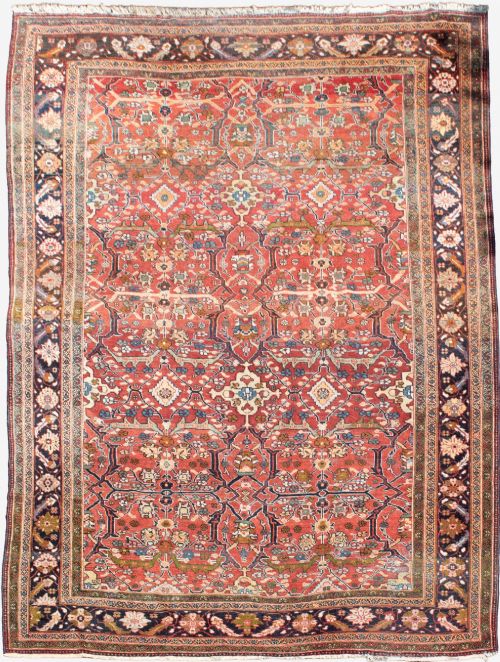
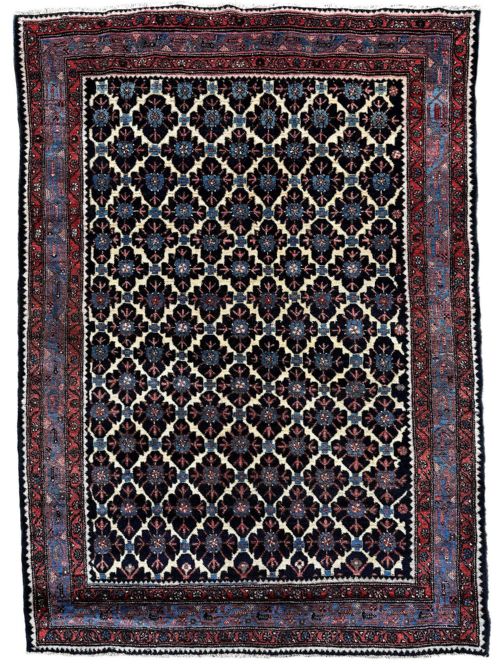
When you search for a handwoven wool floral carpet, you encounter floor coverings that span from the late nineteenth century into the mid-twentieth century. The selection ranges from Persian room-size carpets and village rugs to Eastern European flatweaves and tapestries.
The most common examples on this page are Persian village and city rugs alongside Eastern European kilims. Pieces hail from regions such as Mahal, Hamadan, Malayer, and Bessarabian workshops.
Forms vary widely from large drawing-room carpets down to smaller prayer rugs, runner formats, and specific regional items like Tibetan saddle covers or Scandinavian rya pieces.
Materials and Construction Methods
These floor coverings rely fundamentally on wool pile or flatwoven wool surfaces, often supported by cotton warps and wefts. Certain pieces integrate supplementary materials such as silk, linen, and canvas to add structural definition or textural contrast.
Weavers constructed these textiles by hand, knotting pile yarn around foundation threads or employing interlocking weft techniques for flatweaves. Natural and early synthetic dyes provided the palette for floral motifs, central medallions, and overall garden designs.
Geographic origins represented include Persia, the Caucasus, Romania, Ukraine, India, Tibet, and Scandinavia.
Distinctions in Quality and Execution
The standard of a woven textile depends heavily on the density of its knotting or the tightness of its flatweave. Finer execution allows for crisper botanical detail, clearer outlines in floral sprays, and more harmonious colour transitions across the field.
Design integrity also separates simpler utility pieces from master-woven examples. Coarser village rugs display charmingly naive interpretations of floral themes, whilst workshop carpets from urban centres exhibit balanced symmetry and sophisticated drawing.
The Handwoven Wool Floral Carpet Glossary
- Kilim
- A flatwoven textile produced without a pile. These pieces rely on tightly packed horizontal wefts concealing vertical warps to create geometric and floral patterns.
- Medallion
- A central decorative motif placed in the middle of the carpet field. It often takes a circular, oval, or polylobed shape filled with botanical designs.
- Warp
- The stationary vertical threads stretched upon a loom before weaving begins. Foundation structures in these listings predominantly utilise cotton or wool for these threads.
- Weft
- The horizontal threads passed through the warps to bind the fabric together. In piled rugs, these threads secure the knots in place row by row.
- Prayer Rug
- A specific format featuring a niche or arch design at one end. Historically, worshippers placed this directional mihrab motif toward Mecca during prayer.
Handwoven Wool Floral Carpet: Frequently Asked Questions
How do I care for an antique wool carpet?
Vacuum these textiles gently with a suction-only attachment, avoiding rotating brush rolls that can pull at wool fibres. Rotate the floor covering periodically to ensure even wear from foot traffic and sunlight exposure.
Professional cleaning should happen infrequently and only by specialists experienced in antique plant-dyed wools. Keep the backing dry and address spills immediately by blotting rather than rubbing.
Where were these floral carpets made?
The inventory spans multiple distinct weaving traditions, primarily originating across Persia and Eastern Europe. Persian pieces come from centres and regions such as Isfahan, Kashan, Heriz, Mahal, and Hamadan.
Eastern European examples include Bessarabian kilims and Ukrainian or Romanian tapestries. Other regional pieces hail from Caucasian Karabagh, northern India, Tibet, and Scandinavia.
What is the difference between a rug and a carpet?
Size and placement traditionally separate the two terms in the trade. Carpets generally denote larger floor coverings designed to occupy a substantial portion of a room.
Rugs typically refer to smaller formats, such as scatter rugs, prayer rugs, or specific regional pieces that cover only a localized area of the floor.
How can I tell the age of a woven carpet?
Dating relies on assessing the structural materials, dye palette, and stylistic execution of the piece. Earlier nineteenth-century examples often feature softer, naturally derived vegetable dyes and more organic variations in the wool.
Twentieth-century pieces may introduce early aniline colours or more standardised village patterns. Structural analysis of the fringe, selvedges, and knotting techniques also guides accurate attribution.