





Handwoven Turkman Rug
A handwoven turkman rug brings the geometric discipline of Central Asian tribal weaving into domestic spaces through enduring wool structures.
Handwoven Turkman Rug
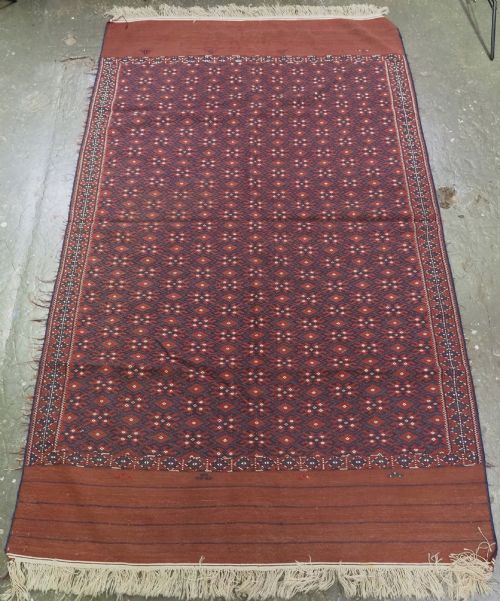
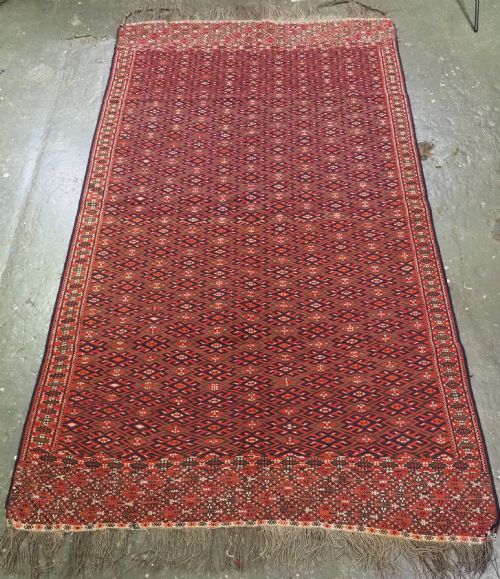
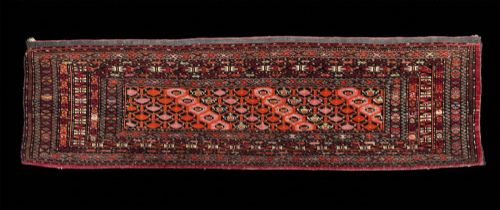
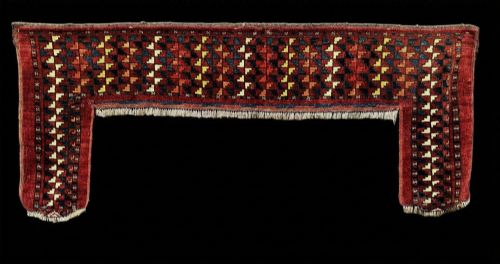
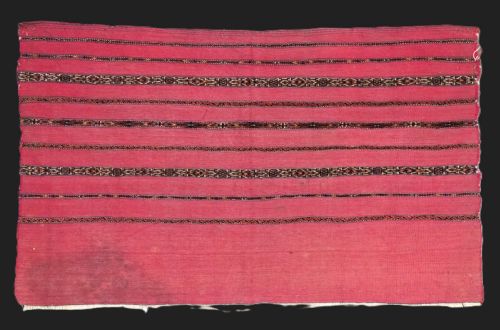
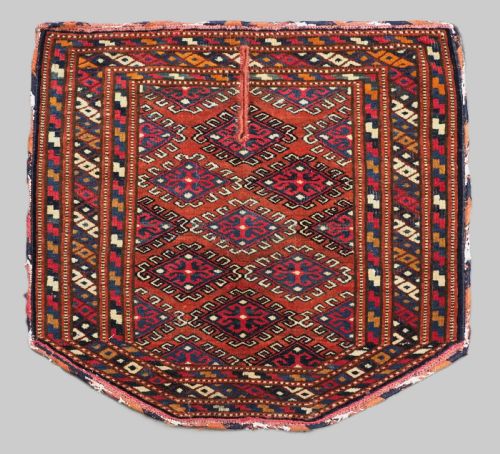
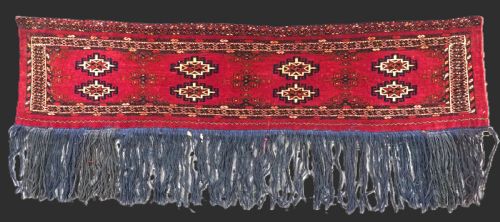
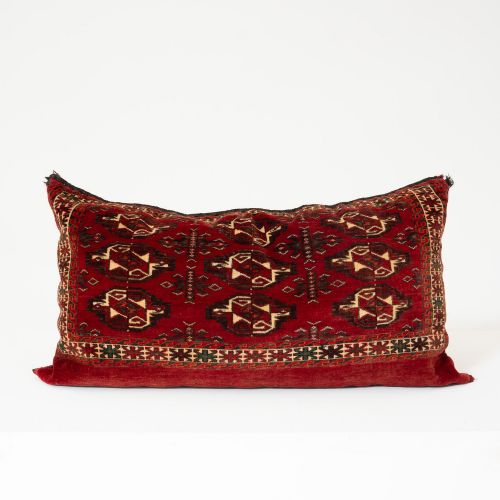
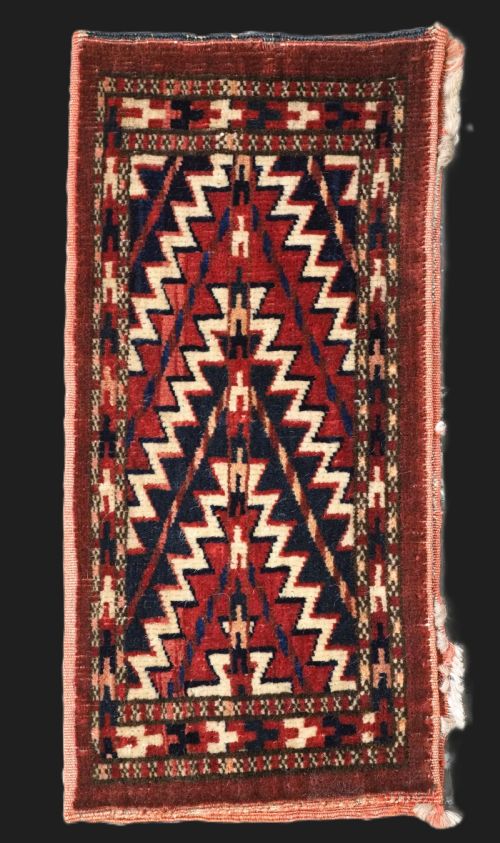
A handwoven turkman rug encompasses a wide range of nomadic and tribal textiles originating from Central Asia, including Turkmenistan and surrounding regions. Buyers searching this phrase encounter floor carpets alongside functional household items such as storage bags, tent door hangings, and animal trappings.
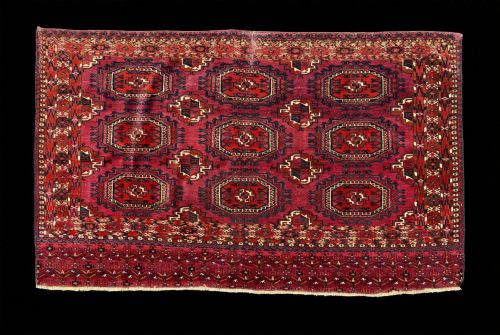
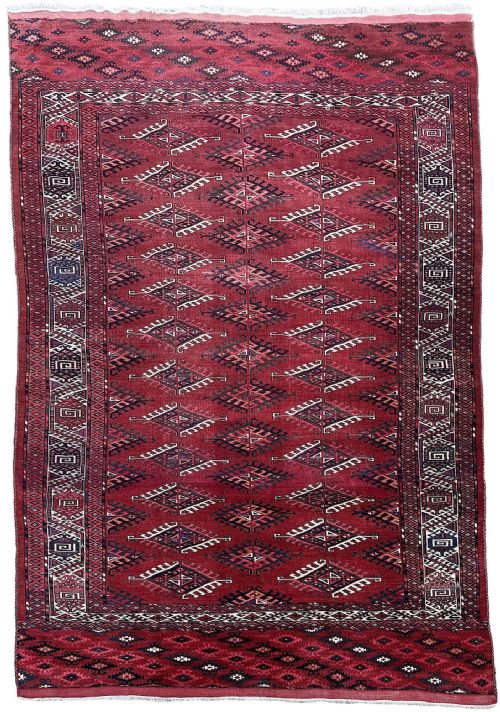
Most examples present traditional repeat guls, banded flatweave patterns, and characteristic red colour palettes derived from natural dyes. Forms range from utilitarian tent bands and saddle covers to complete wall hangings and prayer rugs.
Assessing quality in tribal weaving
The density and fineness of the weave dictate the structural integrity and visual clarity of the geometric guls. Pieces exhibiting exceptional knot counts per square inch display sharper pattern definition and a more supple handle.
The purity and depth of the natural dyes contribute significantly to the visual merit of an example, alongside the completeness of original plain-weave backs and side selvages. The presence of scarce ceremonial forms or unusual tribal designs elevates the standing of an individual piece within its category.
Handwoven Turkman Rug Retail Price Guide 2026
Typical asking prices for handwoven turkman rug among the pieces listed under this phrase on Sellingantiques today, from the lower quarter to the upper quarter. They describe what is for sale here now, not the wider market.
Listings span from eighteen-fifty to nineteen-thirty, uniting Yomut, Tekke, Saryk, and Ersari tribal traditions through wool, cotton, and natural dyes.
The Handwoven Turkman Rug Glossary
- Gul
- A primary octagonal or medallion motif repeated across tribal carpets and trappings. Each tribal group utilises distinct variations to identify lineage and origin.
- Chuval
- A large tent storage bag produced by nomadic weavers for domestic organisation. These pieces frequently survive as isolated faces trimmed with original flatweave backs.
- Torba
- A smaller wall-hanging storage bag utilised within the yurt for personal possessions. They display meticulous knotting and tribal design arrangements akin to larger carpets.
- Asmalyk
- A ceremonial camel trapping shaped as a pentagon or polygon, created for wedding processions. These decorative pieces represent some of the most intricate nomadic weaving.
- Kapunuk
- A tent doorway hanging positioned above the entrance lattice of a yurt. These architectural textiles feature specialised arch designs and extended side flaps.
Handwoven Turkman Rug: Frequently Asked Questions
What is a turkman rug?
A turkman rug is a hand-knotted textile created by nomadic and tribal groups across Central Asia. These pieces are characterised by repetitive geometric motifs known as guls and rich red wool foundations.
Historically produced for domestic utility, dowries, and ceremonial use within the yurt, these textiles function today as decorative floor coverings and wall hangings.
How do I identify tribal groups?
Tribal attribution relies on examining the specific structural guls, secondary ornaments, and colour palettes unique to groups such as the Tekke, Yomut, Saryk, and Ersari. Each tribe utilised distinct geometric arrangements and wool preparation methods.
Comparing edge finishes and knot direction helps clarify whether a piece originates from the Trans-Caspian steppes or the Amu Darya region.
Were these rugs used on floors?
While larger formats served as floor carpets inside permanent dwellings, many smaller items were constructed specifically as utilitarian storage bags, animal trappings, and tent decorations. Items like torbas and chuvals hung inside the felt tent to hold clothing and household goods.
Ceremonial pieces such as asmalyks and saddle covers were reserved for weddings and livestock adornment rather than daily foot traffic.
How should I clean my rug?
Maintenance requires gentle vacuuming without rotating brush heads to protect the wool pile and historical foundations. Professional textile conservation cleaning is recommended for antique examples to preserve natural dyes.
Avoid excessive moisture and direct sunlight to maintain the integrity of the hand-spun wool and vegetable colourants over time.