





Handwoven Textile Art
Handwoven textile art brings together centuries of tribal weaving, European tapestries and Central Asian panels created by skilled makers.
Handwoven Textile Art
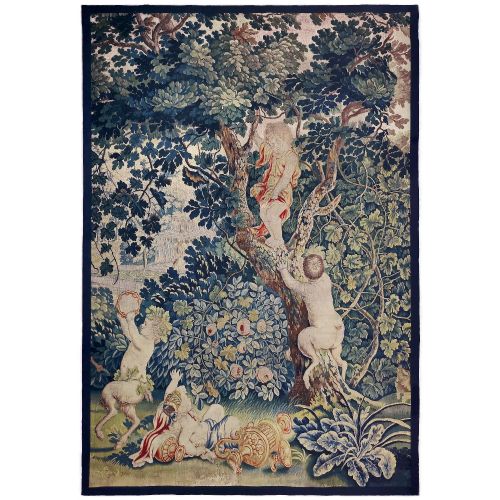
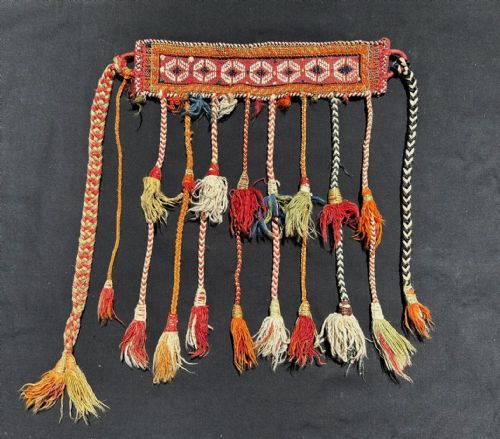
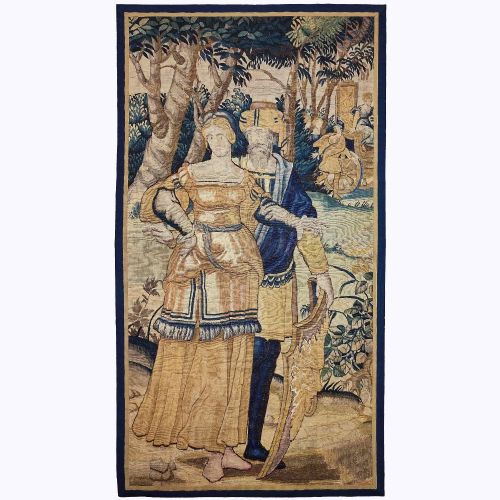
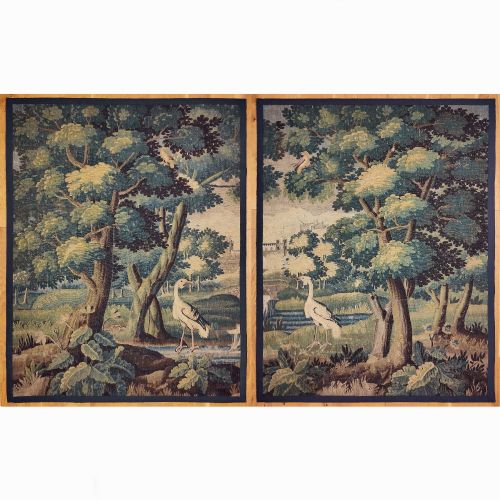
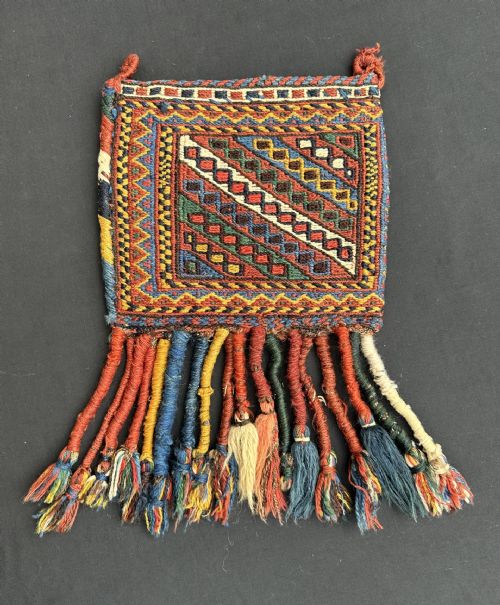
When you search for handwoven textile art, you encounter a diverse range of historical pieces including wall hangings, tapestries, tribal storage pouches and fabric panels. These works span centuries, reaching back to sixteenth-century Flemish panels and seventeenth-century French verdure tapestries alongside nineteenth and early twentieth-century tribal weaving.
The selection reflects both European court workshops and village or nomadic production methods. Each piece represents a distinct regional textile tradition, whether through Persian tribal designs, Turkmen asmalyks, or Uzbek ikat panels.
How they were made
The materials recorded in these pieces rely heavily on wool, hand-spun wool, cotton, silk, semi-silk adras, goat hair, linen and natural dyes. Artisans utilised these fibres to build durable structures, whether weaving thick pile carpets, flatweaves or intricate silk ikat fabrics.
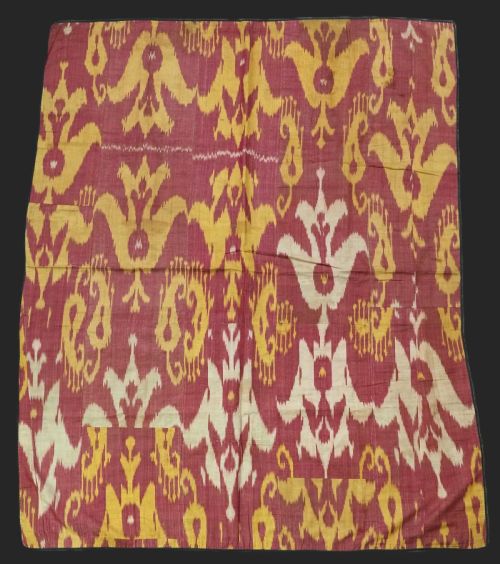
Techniques range from the complex loomed structures of European tapestries to traditional nomadic flatweaving, pile knotting and resist-dyed ikat weaving. Silk and cotton panels from Central Asia display precise dyeing methods before being woven into garments or decorative hangings.
Handwoven Textile Art Retail Price Guide 2026
Typical asking prices for handwoven textile art among the pieces listed under this phrase on Sellingantiques today, from the lower quarter to the upper quarter. They describe what is for sale here now, not the wider market.
Listings include items from the sixteenth century through the early twentieth century, spanning wool, silk, cotton, and natural dyes.
What varies in quality
Quality in these textiles depends upon the finesse of the weave, the integrity of the natural dyes and the complexity of the design layout. Finer wool preparation, tighter knotting or weaving density, and precise alignment of patterns distinguish exceptional pieces from simpler utilitarian items.
The survival of original structural elements, such as plain weave backs on spindle bags or complete paired bag faces, influences the integrity of the piece. The depth and stability of natural dyes over time also separate standard examples from masterworks.
The Handwoven Textile Art Glossary
- Ikat
- A dyeing and weaving technique where threads are tie-dyed before being woven into patterns. This creates characteristic blurred edges along the motifs.
- Tapestry
- A form of textile art woven by hand on a loom, traditionally used for wall hangings and pictorial scenes. European examples often depict verdure or floral designs.
- Torba
- A small storage bag produced by Turkmen and other nomadic groups. These were traditionally used inside tents for personal possessions.
- Suzani
- A type of embroidered tribal textile originating from Central Asia. They typically feature bold floral designs worked on a ground fabric.
- Kilim
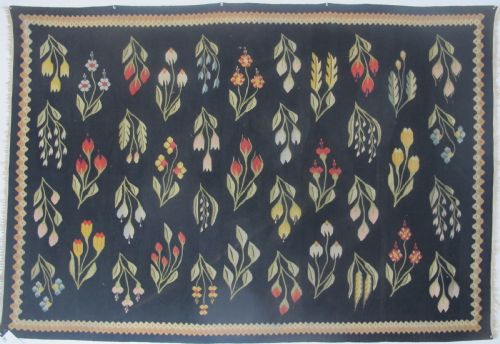
- A flatweave textile produced without a pile. These pieces rely entirely on the warp and weft threads to form geometric patterns.
Handwoven Textile Art: Frequently Asked Questions
What is handwoven textile art?
Handwoven textile art encompasses historical wall hangings, tapestries, rugs and fabric panels made using traditional manual techniques. These items originate from diverse cultures and time periods, ranging from European workshops to nomadic tribal camps.
Collectors prize these textiles for their authentic materials, regional designs and the skilled labour involved in their construction. Each piece serves as both a functional object and a decorative visual work.
How were tribal bags used?
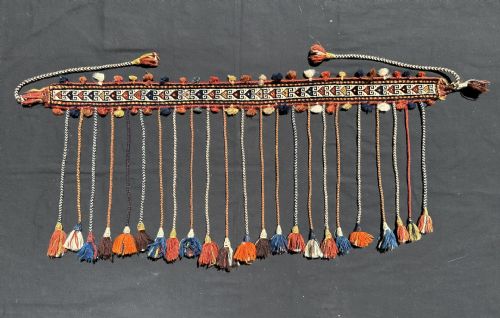
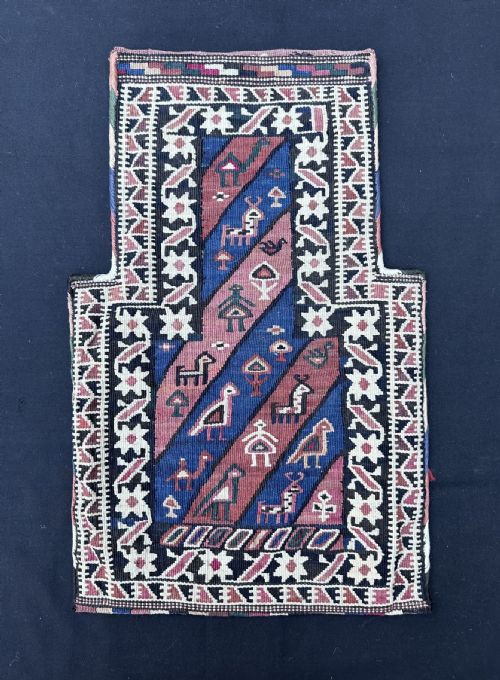
Nomadic groups utilised bags such as salt-bags, saddle-bags and spindle bags for daily storage and transport during migration. Items like the asmalyk served specific ceremonial or decorative functions within tribal traditions.
Over time, these durable pouches transitioned into decorative wall displays as collectors recognised their artistic merit and structural craftsmanship.
How do I care for antique textiles?
Protect antique textiles by keeping them out of direct sunlight to prevent natural dye fading. Gentle vacuuming through a mesh screen helps remove dust without damaging fragile fibres.
Mounting wall hangings correctly distributes weight evenly across the textile. Avoid using clips or pins that pull on individual threads.
How do I identify different periods?
Distinguishing periods relies on recognising stylistic shifts in regional motifs, material choices and weave structures. Sixteenth and seventeenth-century European works show distinct pictorial or verdure styles, while nineteenth-century pieces often reflect specific tribal identities.
Comparing structural details and dye types helps narrow down the approximate decade or century of origin.