



Handwoven Prayer Rug
A handwoven prayer rug brings centuries of tribal artistry into a room through distinct niche designs and rich wool textures.
Handwoven Prayer Rug
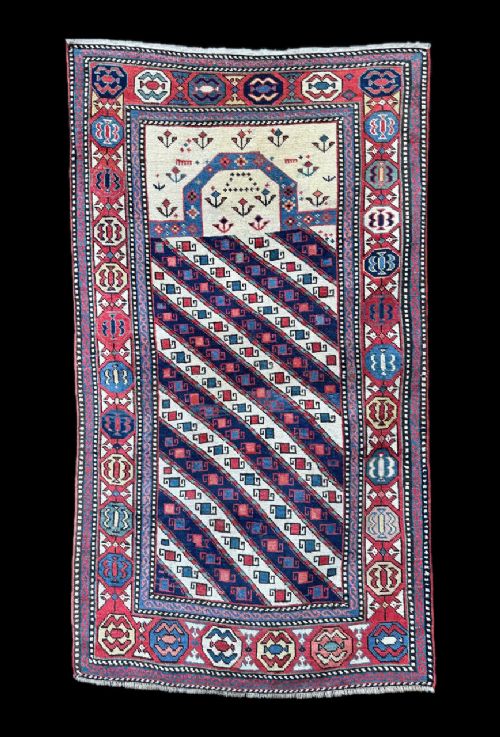
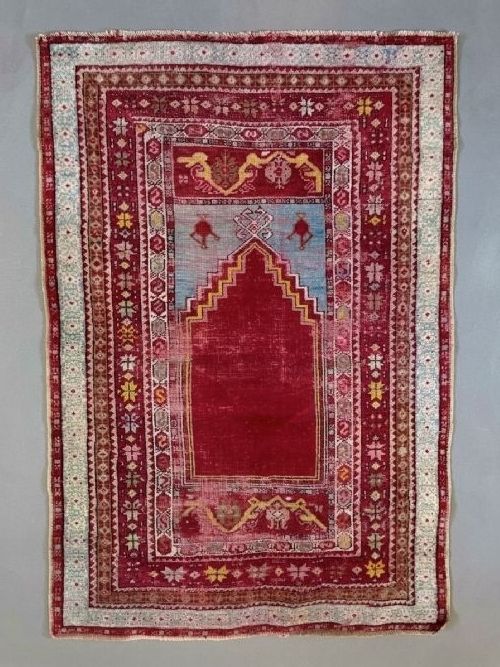
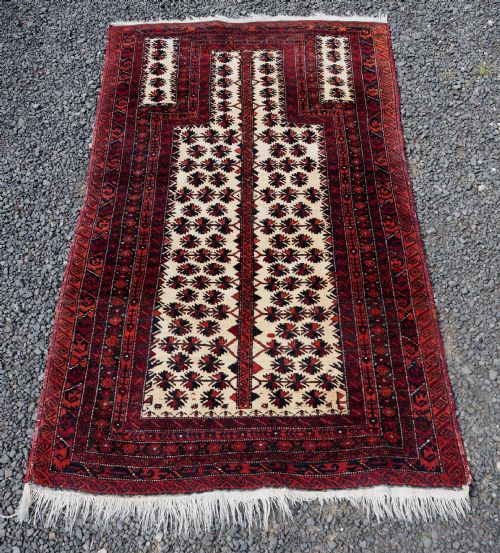
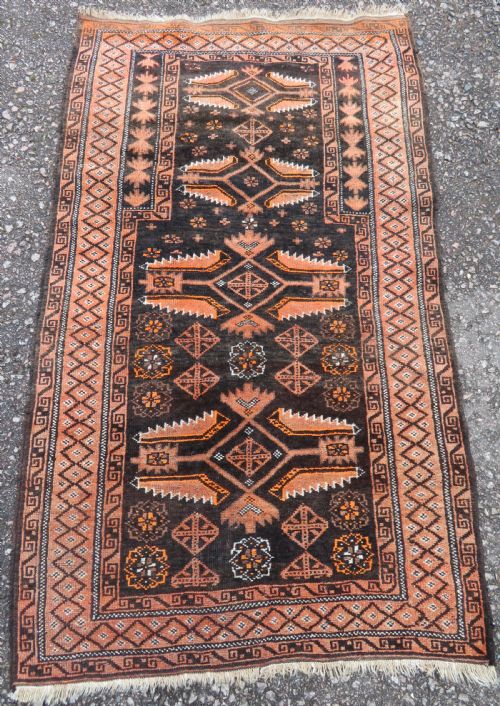
A handwoven prayer rug is a portable textile designed for devotional use, characterised by a distinctive architectural niche or arch motif known as a mihrab. When exploring this selection, buyers frequently encounter pieces originating from Anatolian, Afghan, Persian, Caucasian, and Turkmen traditions. These textiles span periods from the mid-nineteenth century through the early twentieth century, reflecting diverse regional weaving practices.
The inventory on this page ranges from village and tribal workshops to nomadic outputs, encompassing formats such as standard area rugs and long kilim ends. Common stylistic variants include specific regional types like Melas, Gendje, Baluch, and Konya pieces. Each rug serves as a historical document of the tribal group that produced it, often displaying traditional symbols embedded within the field.
Materials and construction
The foundation of these textiles relies predominantly on hand-spun wool and cotton, with select pieces incorporating camel wool or camel hair for natural warmth and varied texture. Weavers utilised natural dyes to achieve deep, lasting tones across the pile and foundation. Mixed techniques sometimes appear, combining knotted pile work with flatwoven kilim ends for structural durability.
Tribal weavers constructed these pieces on traditional horizontal or vertical looms using knotting techniques specific to their region, such as symmetric or asymmetric knots. The choice of materials directly impacts the handle and weight of the textile, from dense village carpets to lighter nomadic prayer mats. Natural dye variations create subtle tonal shifts across the surface of the wool over time.
Handwoven Prayer Rug Retail Price Guide 2026
Typical asking prices for handwoven prayer rug among the pieces listed under this phrase on Sellingantiques today, from the lower quarter to the upper quarter. They describe what is for sale here now, not the wider market.
Current listings feature pieces spanning the 1850s to the 1930s, showcasing wool, cotton, and camel hair materials.
Distinctions in quality
Quality in these textiles rests upon the precision of the knotting, the complexity of the tribal design, and the vibrancy achieved through natural dyes. Tightly woven foundations and well-balanced proportions separate finer workshop or village outputs from simpler utility pieces. The clarity of the mihrab design and the crispness of the surrounding motifs indicate the weaver's skill.
The integrity of the wool and the preservation of the pile significantly influence the standing of an individual rug. Pieces retaining their original kilim ends and untouched selvedges demonstrate superior historical survival. Furthermore, uncommon design elements, such as figurative details or scarce ground colours, elevate the regional significance of the textile.
The Handwoven Prayer Rug Glossary
- Mihrab
- The arched niche in a prayer rug that points toward Mecca during worship. This architectural motif forms the focal point of the design.
- Kilim
- A flatwoven textile or end section produced without a pile. These woven segments often feature geometric patterns and protect the rug ends.
- Baluch
- A designation for rugs woven by nomadic and semi-nomadic tribes originating from the borderlands of Iran, Afghanistan, and Pakistan. They often feature deep camel wool tones and rich dark hues.
- Melas
- A specific style of Turkish rug originating from the Milas region. These pieces frequently utilise warm saffron and terracotta colour palettes.
- Seh Mihrab
- A triple-arched design featuring three distinct prayer niches grouped across the field. This layout is particularly prevalent in certain Afghan and Turkmen traditions.
Handwoven Prayer Rug: Frequently Asked Questions
What is a mihrab?
A mihrab is the arched niche depicted on the field of a prayer rug, representing the direction of prayer. It guides the eye toward the upper portion of the textile.
In daily use, the weaver positioned this arch to orient the user correctly. Its exact shape often helps identify the specific region or tribe that produced the piece.
How do I care for antique wool rugs?
Antique wool textiles require gentle maintenance, including regular low-suction vacuuming without a rotating brush bar. Keeping them out of direct sunlight prevents the natural dyes from fading.
Professional cleaning tailored for antique carpets ensures the wool and cotton foundations remain stable. Rotating the rug periodically promotes even wear across the surface.
What distinguishes Caucasian rugs?
Caucasian rugs are known for their bold geometric patterns, striking primary colours, and structured tribal layouts. Weavers in this mountainous region utilised precise rectilinear motifs rather than curving florals.
These pieces often display ivory or saturated blue grounds paired with stark contrasting borders. Their robust wool construction reflects the demanding climate of their origin.
Are these rugs suitable for high-traffic areas?
Many of these sturdy wool and camel hair rugs were built for practical daily floor use and handle moderate foot traffic well. However, very fragile nineteenth-century pieces or those with low pile are better suited for low-traffic placement or display.
Using an appropriate underlay prevents slipping and cushions the weave against hard flooring. This simple addition extends the working life of the textile.