

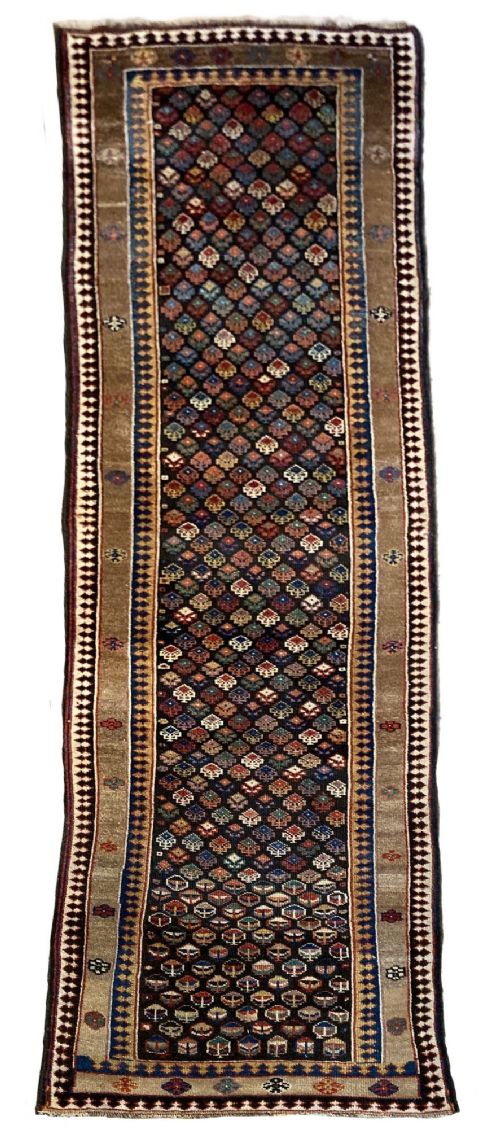

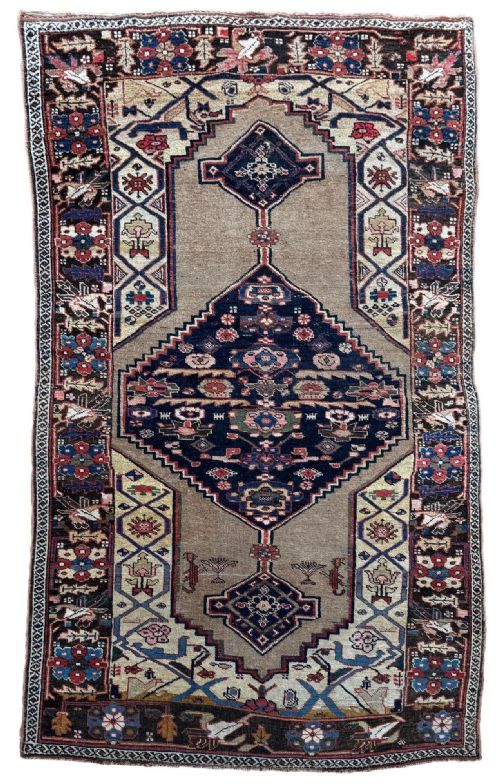


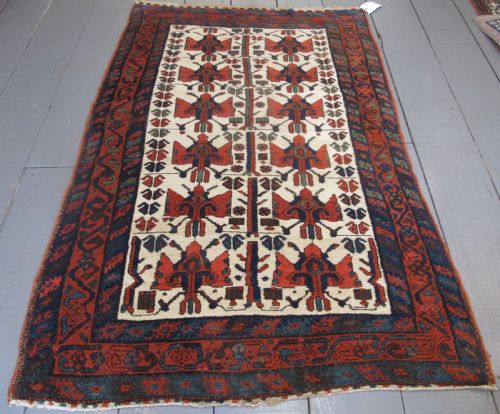


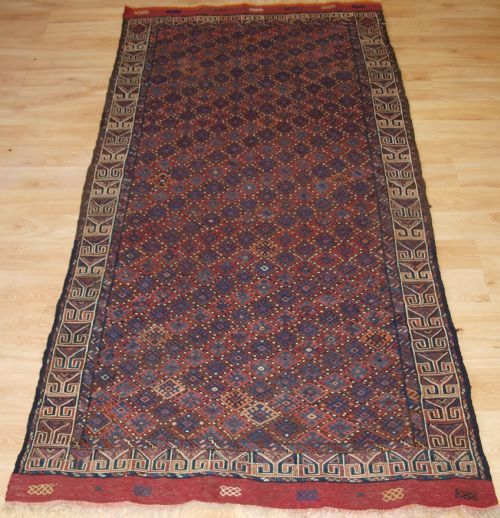


Handwoven Kurdish Rug
A handwoven kurdish rug brings genuine tribal character and robust village craftsmanship into a room.
Handwoven Kurdish Rug
A handwoven kurdish rug represents the rich weaving traditions of nomadic and village communities originating primarily from West Persia, Anatolia, and the Caucasus. When searching for a handwoven kurdish rug, a buyer encounters pieces created across several decades spanning the late nineteenth century and the early twentieth century.
The selections on this page appear in various practical formats including standard area rugs, long runner rugs, kilims, soumaks, and smaller cushions or bag faces. These items showcase distinct tribal motifs, geometric patterns, and classic village designs such as the boteh or kelleh format.
Buyers are most likely to meet pieces attributed to specific regional groupings and production centres like Bidjar, Senneh, Kolyai, and Hamadan. Each piece reflects the particular aesthetic vocabulary and practical utility developed by Kurdish weavers across different geographic areas.
How They Were Made
The physical construction of these textiles relies fundamentally on wool for the pile and surface decoration, combined with cotton for foundations in specific regional examples. Weavers utilised traditional hand-knotting and flatweaving techniques, including kilim and soumak structures, to build durable surfaces designed for daily floor use.
Natural dyeing traditions provided the rich colour palettes seen across the pieces, yielding deep blues, reds, and earthy tones that age gracefully. The density of the weave and the quality of the wool preparation directly determined the weight and flexibility of each finished runner or rug.
Handwoven Kurdish Rug Retail Price Guide 2026
Typical asking prices for handwoven kurdish rug among the pieces listed under this phrase on Sellingantiques today, from the lower quarter to the upper quarter. They describe what is for sale here now, not the wider market.
Listings span the nineteenth century through the 1930s, constructed in wool and cotton across Persian, Anatolian, and Caucasian tribal traditions.
What Varies in Quality
The standard of a piece depends heavily on the tightness of the knotting and the precision executed in rendering tribal geometry and motifs. Finer village and town pieces exhibit greater structural density and more intricate drawing compared to coarser nomadic examples.
Preservation of the original wool pile, the crispness of the colour saturation, and the integrity of the outer borders or selvedges distinguish superior specimens. The overall handle of the textile, balancing suppleness with substantive weight, marks the distinction between ordinary production and finer weaving.
The Handwoven Kurdish Rug Glossary
- Boteh
- A stylised almond or pear-shaped motif representing a leaf, bush, or flame, frequently repeated across field designs.
- Kilim
- A flatwoven textile produced without a pile, created by tightly interlocking the warp and weft threads together.
- Soumak
- A flatweaving technique involving wrapped weft threads that produce a durable surface resembling braids on the face.
- Kelleh
- A large format runner or long carpet traditionally proportioned for specific architectural spaces within traditional homes.
- Selvedge
- The finished side edges of a rug, bound tightly to prevent the horizontal weft threads from unravelling.
Handwoven Kurdish Rug: Frequently Asked Questions
Where were these rugs made?
These textiles were produced by Kurdish weavers residing across West Persia, Eastern Anatolia, and the South Caucasus.
Production took place both in settled villages and through nomadic tribal encampments across those regions.
How do I care for a tribal rug?
Regular gentle vacuuming without a rotating power brush helps remove grit and dust from the wool pile.
Professional cleaning tailored for antique wool textiles ensures the longevity of the natural dyes and fibres.
Can I use a runner in a hallway?
Long runner formats function well in hallways, corridors, and narrow passageways subjected to regular foot traffic.
A quality underlay provides added grip and cushions the foundation against hard flooring surfaces.
What is the difference between pile and flatweave?
Pile rugs feature knotted wool yarn standing upright from a foundation to create a soft, dense surface texture.
Flatweaves like kilims and soumaks contain no raised pile, offering a thinner, lighter structure with pattern visible on both sides.