







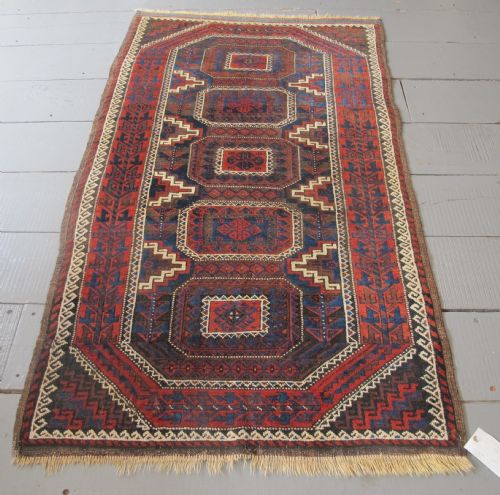
Handmade Runner Rug
A handmade runner rug brings grounded character and enduring textile art to a hallway, landing or narrow space through authentic tribal and village weaving traditions.
Handmade Runner Rug
The selection here draws primarily from regional traditions including Persian tribal, Baluch, Turkmen, Anatolian and Central Asian workshops. Pieces range from room-scale carpets to hearth-sized rugs, village rugs and nomadic kilims produced from the mid-nineteenth century up to the 1920s.
While traditional broad carpets suit principal reception rooms, these elongated formats naturally anchor corridors and transitional spaces. Each surviving specimen reflects the distinct visual vocabulary of the specific tribe or village that wove it.
How they were made
The construction of these floor coverings relies fundamentally on wool and cotton foundations combined with hand-spun wool for the pile. Weavers utilised natural dyes derived from local plants and minerals to achieve deep, stable tones that mellow gracefully over decades of use.
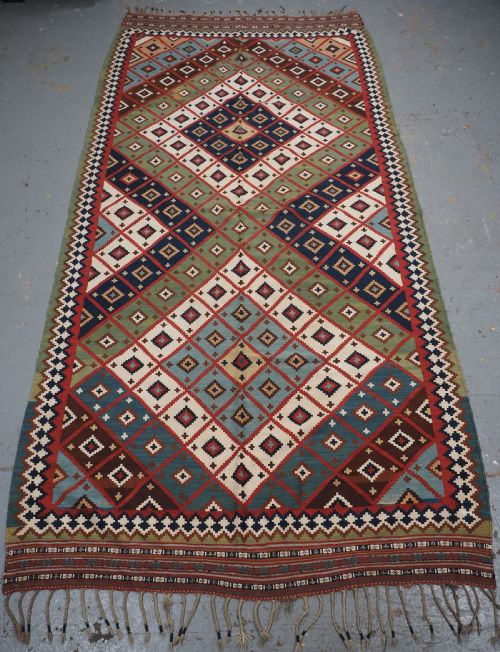
Different regional groups employed specific structural techniques, such as the four-strip construction seen in yurt rugs or the flatweave methods characteristic of traditional kilims. These methods dictated the weight, flexibility and eventual drape of the finished textile.
Handmade Runner Rug Retail Price Guide 2026
Typical asking prices for handmade runner rug among the pieces listed under this phrase on Sellingantiques today, from the lower quarter to the upper quarter. They describe what is for sale here now, not the wider market.
Some yurt rugs were woven in separate narrow strips and stitched together by nomad families to achieve the required width for their dwellings.
What varies in quality
Quality in these textiles rests upon the precision of the weave and the handling of the wool. Finer knot densities and tightly beaten foundations allow complex geometric and floral motifs to hold their clarity.
The vibrancy and depth of the natural dyework elevate certain examples above others. A successful piece demonstrates harmonious colour saturation and balanced proportion across its length.
The Handmade Runner Rug Glossary
- Kilim
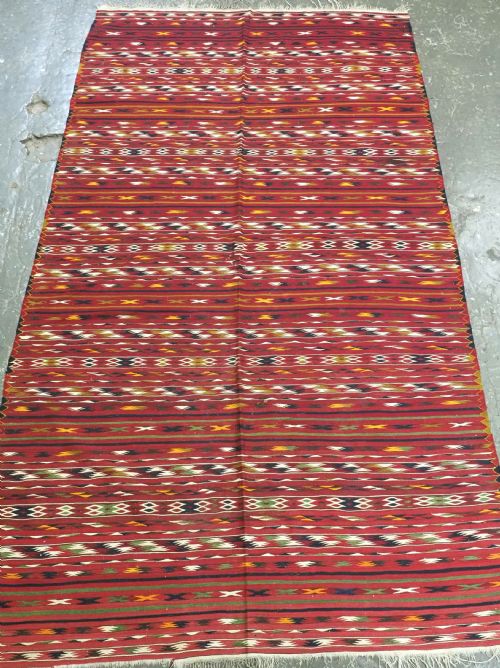
- A flatwoven textile produced without a pile. These pieces rely on interlocking weft techniques to create crisp geometric patterns.
- Sofreh
- A dining or spreading cloth used in nomadic households for food preparation and communal meals. They share the same structural weaving integrity as floor rugs.
- Prayer rug
- A specific format featuring a mihrab or niche design intended for devotional use. Turkish Milas examples are particularly noted for this tradition.
- Mina khani
- A repeating floral lattice pattern frequently encountered in Persian village and tribal weaving. It organises geometric blossoms across the field.
- Hand-spun wool
- Yarn prepared manually using a spindle rather than industrial machinery. This imparts natural irregularity and rich texture to the pile.
Handmade Runner Rug: Frequently Asked Questions
Where should I place a long woven rug?
These narrow formats work exceptionally well in hallways, corridors, kitchens and beside beds where floor space is restricted.
Their elongated proportions help to soften high-traffic timber or stone surfaces while adding traditional warmth to otherwise plain transitional zones.
How can I tell tribal styles apart?
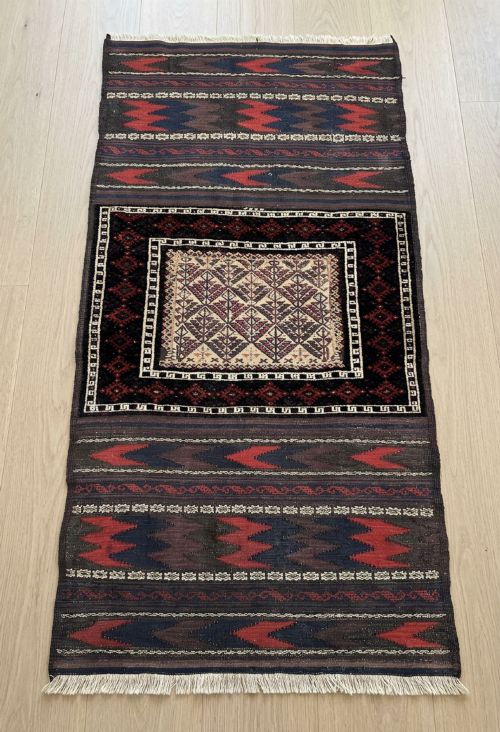
Tribal styles reveal their origins through specific structural quirks, colour palettes and recurring motifs. Baluch and Turkmen pieces often employ deep madder reds and dark blues with geometric guls.
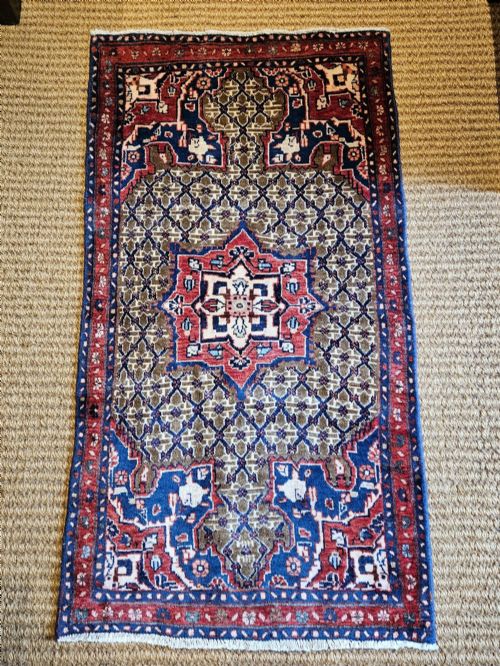
Persian village pieces like Hamadan or Karadja tend to feature bolder medallion layouts and distinct border arrangements rooted in regional heritage.
What makes nineteenth century pieces different?
Textiles from the nineteenth and early twentieth centuries pre-date the widespread adoption of commercial synthetic dyes. This era relied entirely on traditional organic dyeing processes.
The resulting palette possesses a characteristic softness and complexity that matures uniquely over generations.