

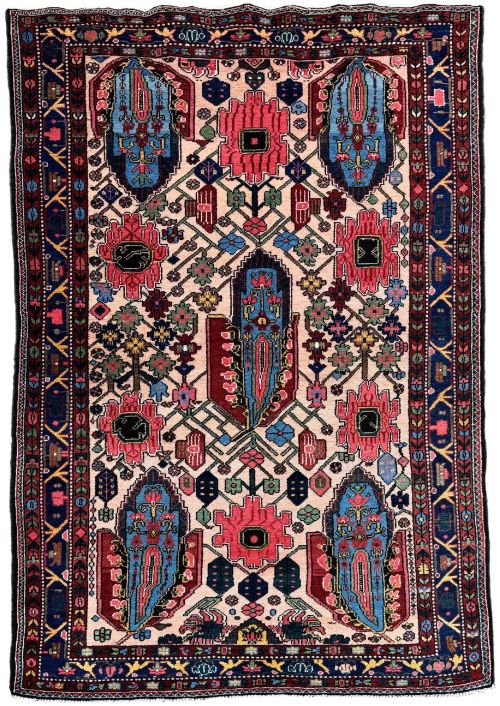
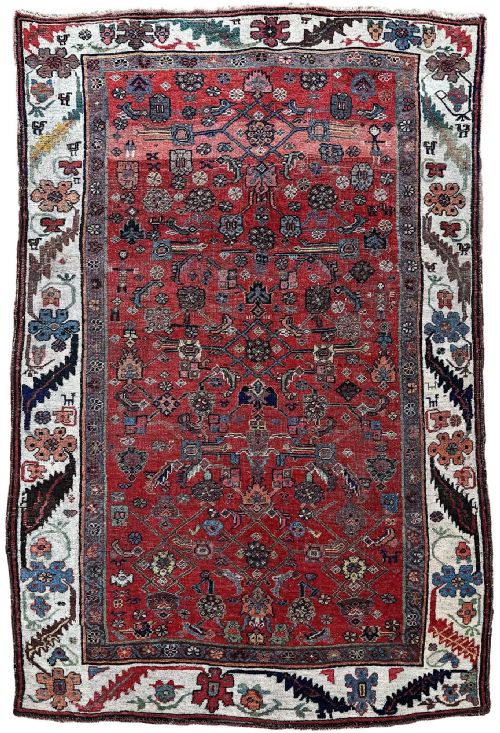
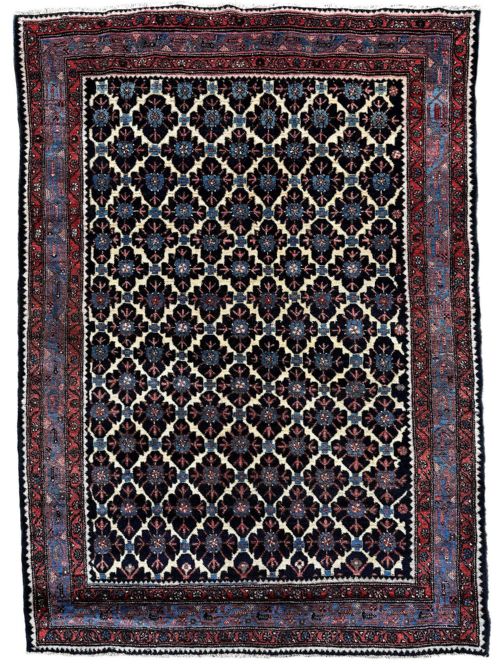
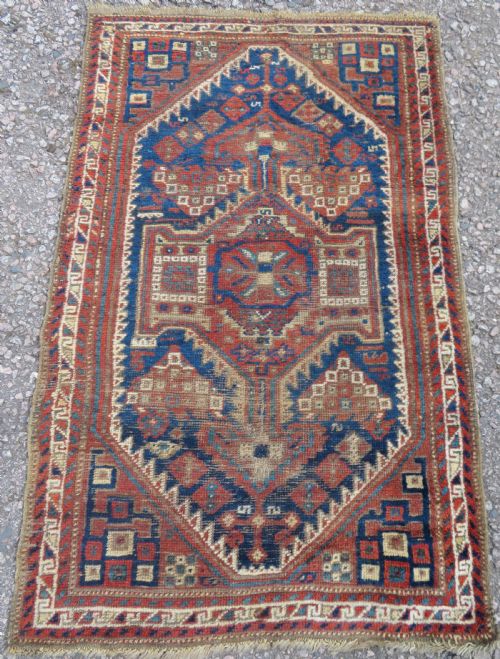






Handcrafted Persian Wool Carpet
A handcrafted persian wool carpet brings centuries of textile tradition into a room, offering genuine warmth and intricate pattern underfoot.
Handcrafted Persian Wool Carpet
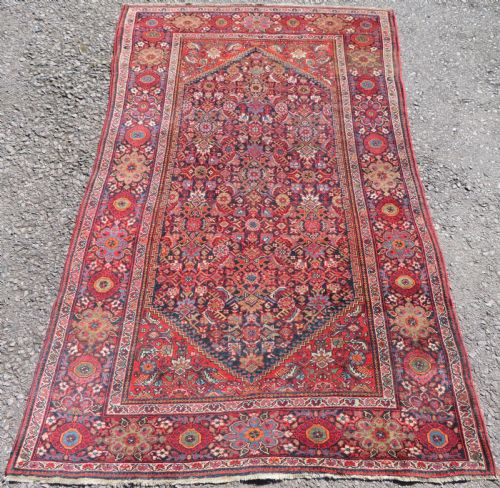
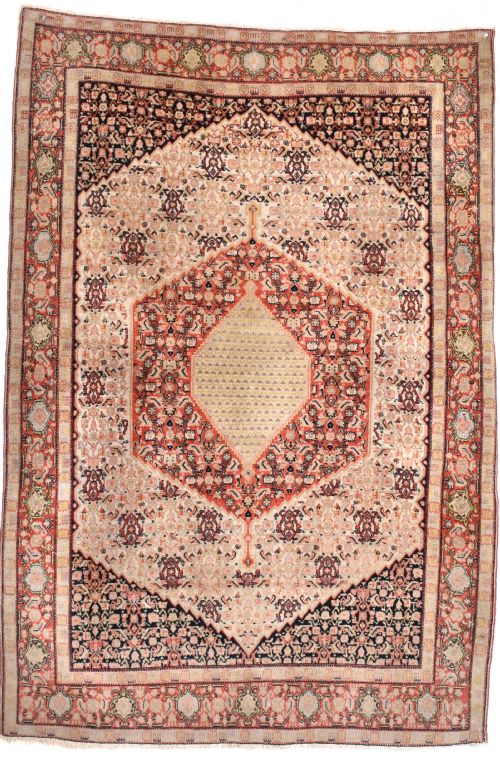
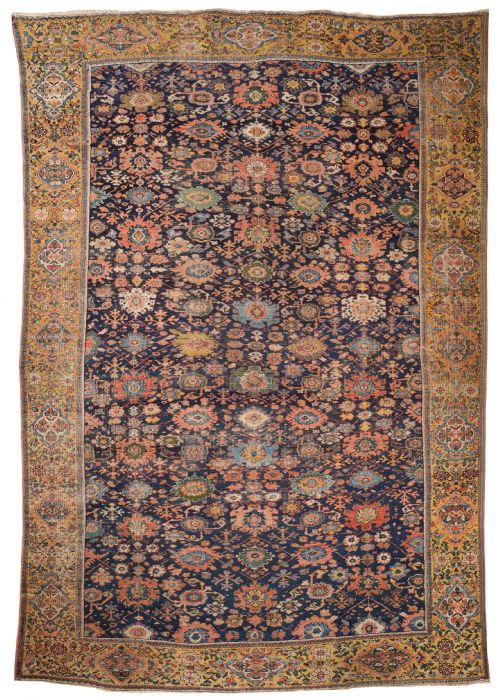
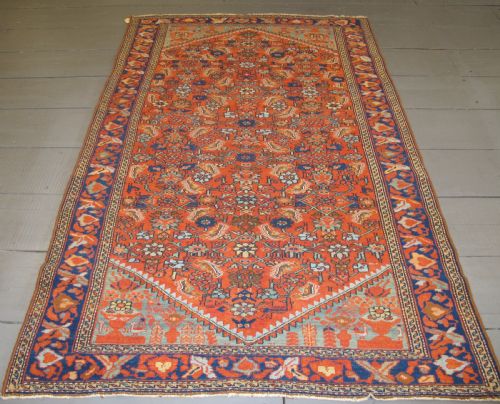
A handcrafted persian wool carpet encompasses regional styles ranging from village work to city pieces, often categorized by specific origins like Bidjar, Malayer, or Tabriz. These textiles appear in formats including rugs, area rugs, runner rugs, and larger carpets dating from the late nineteenth century into the early twentieth century.
Village and tribal examples such as Khamseh, Qashqai, Bakhtiar, and Heriz show distinct local motifs and robust constructions. City productions like Kashan, Farahan, and Qum offer finer detail and formal medallion or all-over designs.
The selection on this page focuses on traditional Persian weaving traditions utilising wool pile and cotton foundations. Pieces span various dimensions, from narrow runners to room-sized carpets.
What varies in quality
The distinction between ordinary and superior examples lies in the precision of the knotting and the complexity of the design execution. Tighter knots allow for sharper definition in traditional patterns such as the Herati design.
Condition and originality play a major role, distinguishing pieces with well-preserved pile and original borders from those with extensive restoration or heavy wear. The harmony of the dye palette and the integrity of the foundation determine the overall standard.
Handcrafted Persian Wool Carpet Retail Price Guide 2026
Typical asking prices for handcrafted persian wool carpet among the pieces listed under this phrase on Sellingantiques today, from the lower quarter to the upper quarter. They describe what is for sale here now, not the wider market.
Foundations rely primarily on cotton, supporting hand-knotted wool piles created across the nineteenth and early twentieth centuries.
The Handcrafted Persian Wool Carpet Glossary
- Herati design
- A repeating traditional pattern featuring a central rosette enclosed by leaf-like motifs, frequently seen in Persian weaving. This layout provides balanced symmetry across the field of the carpet.
- Warp
- The vertical threads stretched across the loom that form the structural skeleton of the carpet. Cotton is the standard material used for this foundation.
- Pile
- The upright woolen surface of the carpet formed by the cut ends of knots. Pile length varies depending on whether the piece originated from a nomadic tribe or an urban workshop.
- Runner
- A long, narrow carpet format designed specifically for hallways, corridors, or alongside beds. These pieces require specific proportions to fit linear spaces properly.
- Medallion
- A prominent central ornamental motif placed in the middle of the carpet field. Many traditional Persian designs build their symmetry around this focal point.
Handcrafted Persian Wool Carpet: Frequently Asked Questions
How do I clean a antique carpet?
Regular gentle vacuuming without a beater bar removes surface dust and protects the wool pile. Professional specialist cleaning is recommended for deeper maintenance to preserve the natural dyes.
Avoid harsh chemical treatments or excessive water immersion, which can damage the cotton foundation and compromise the wool fibres.
Where should I place a runner?
Narrow runners suit hallways, landings, and corridors where foot traffic benefits from added cushioning and warmth. They also function well alongside large furniture pieces in living rooms or bedrooms.
Ensure an appropriate underlay is used beneath the carpet to prevent slipping and reduce friction against hard flooring.
How do I identify a tribal rug?
Tribal and village rugs often display geometric motifs, stylized animal forms, and spontaneous colour variations reflecting the weaver's surroundings. Pieces attributed to groups like the Qashqai or Khamseh show distinct regional character.
These carpets generally feature slightly coarser knotting and heavier wool compared to formal city workshops like Kashan or Qum.
What is the Herati design?
The Herati design is a classic repeating motif composed of a floral head surrounded by curved leaves within a lattice framework. It appears frequently in traditional Persian carpets from various districts.
This intricate pattern creates an all-over texture that draws the eye across the entire field of the rug.