

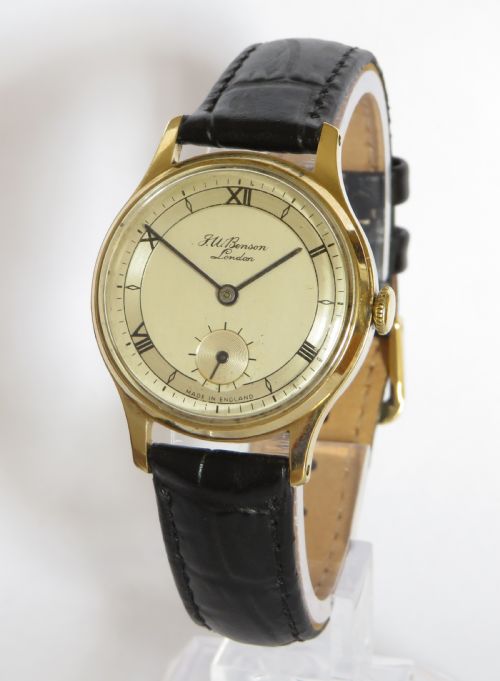
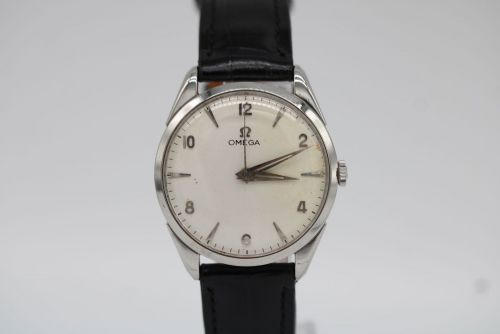


Hand Wind Watch
A hand wind watch demands daily engagement, offering tangible connection to mechanical timekeeping across the Edwardian, Art Deco, and Mid-Century Modern periods.
Hand Wind Watch
When you search for a hand wind watch, you enter a field spanning wristwatches and pocket watches from the early twentieth century through the nineteen-sixties. These pieces rely on manual winding rather than self-winding rotors or batteries, requiring the owner to interact directly with the mainspring.
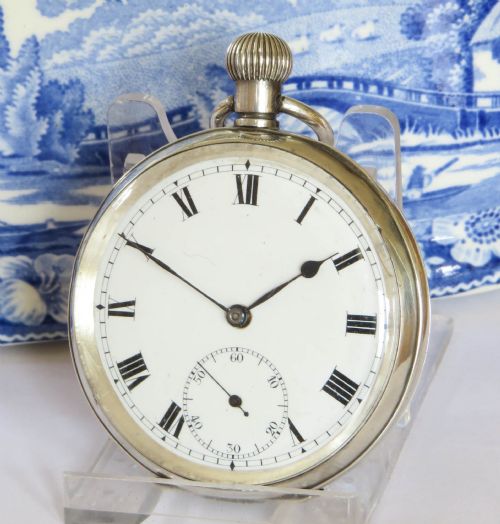
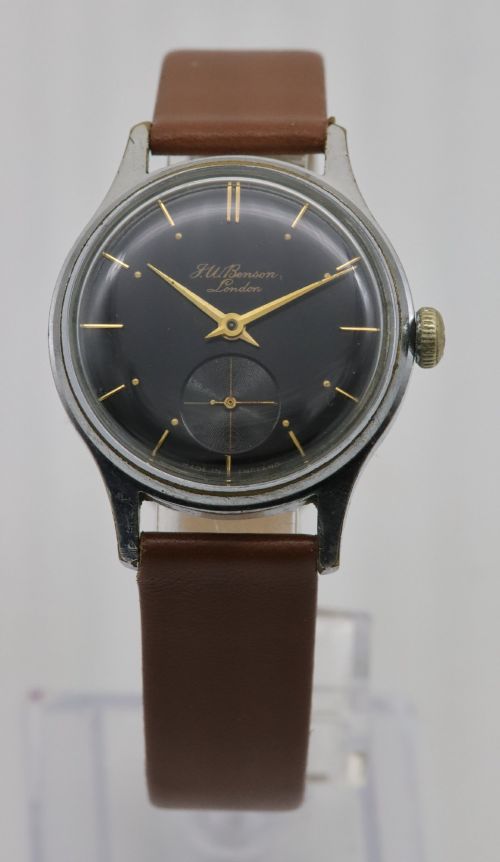
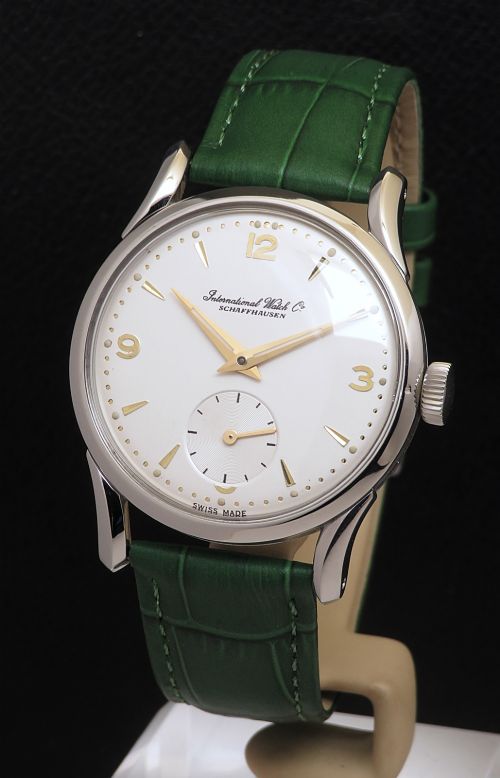
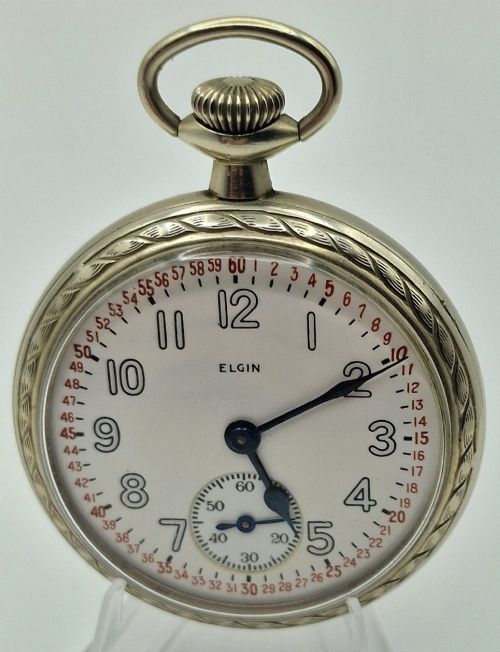
The versions most commonly met on this page include mid-century dress wristwatches in steel or solid gold, alongside earlier pocket watches issued for military or civilian use. Makers range from Swiss houses like Omega and International Watch Company to British retailers such as JW Benson and Smiths.
Forms cross several distinct design movements, including Edwardian pocket pieces, Art Deco French manual wristwatches, and robust military issues from the nineteen-forties. Each style reflects the mechanical priorities and aesthetic tastes of its specific decade.
How they were made
Movements depend on manual calibres fitted with jewelled bearings to reduce friction on pivot points. Straps utilise leather to secure the watch head to the wrist, completing an assembly built for manual daily operation.
Hand Wind Watch Retail Price Guide 2026
Typical asking prices for hand wind watch among the pieces listed under this phrase on Sellingantiques today, from the lower quarter to the upper quarter. They describe what is for sale here now, not the wider market.
Listings feature hand wind watch examples spanning four distinct decades, from nineteen-ten pocket watches to nineteen-sixties wristwatches.
What varies in quality
The distinction between tiers rests upon the execution and finishing of the movement inside, where higher grades feature specialised calibre numbers and superior adjustment for accuracy. Well-preserved original dials and unpolished case metals further separate standard production models from superior examples.
Signatures on the dial and movement bridges indicate the tier of the manufacturer, ranging from volume producers to esteemed houses like Omega and International Watch Company. Complete originality of components and documented service histories determine the standing of an individual piece.
JW Benson·Elgin·International Watch Company·Omega·Tudor·Rotary·Smiths
The Hand Wind Watch Glossary
- Calibre
- The specific manufacturer's designation for a particular watch movement design. This number allows collectors to identify the exact mechanical lineage of the piece.
- Manual Wind
- A movement wound by hand via the crown to tension the mainspring. This term is synonymous with the hand wind watch.
- Acrylic
- A lightweight transparent plastic material utilised for watch crystals before the widespread adoption of synthetic sapphire. It offers warmth to the touch and can be polished if scratched.
- Mainspring
- The coiled spring housed within the barrel that stores mechanical energy. Manual winding tightens this spring to power the gear train.
- Pocket Watch
- A timepiece designed to be carried in a pocket rather than worn on the wrist. These often feature hinged case backs and dedicated bow rings for attachment chains.
Hand Wind Watch: Frequently Asked Questions
How often should I wind my watch?
A hand wind watch typically requires winding once every twenty-four to forty-eight hours, depending on its specific mainspring capacity.
Turn the crown gently clockwise until you feel firm resistance, stopping immediately to avoid damaging the internal spring.
Are these watches waterproof?
Vintage manual timepieces lack modern rubber gasket seals and screw-down crowns, making them vulnerable to moisture.
Keep these watches away from water, heavy rain, and high humidity to protect the delicate steel movement components from rust.
How do I tell an Edwardian piece from a mid-century piece?
Edwardian items frequently manifest as silver pocket watches with ornate casework and enamel dials, dating around nineteen-ten. Mid-century examples lean towards steel or gold wristwatches featuring minimalist dials aligned with nineteen-fifties and sixties aesthetics.
Examining the case proportions, typography, and movement architecture clarifies the specific era of manufacture.
Can I wear a vintage watch daily?
Daily wear is entirely suitable provided the movement has been recently serviced and regulated by a professional watchmaker. Care must be taken to avoid shocks, magnetic fields, and moisture during everyday use.
Rotating your watches allows the mechanical components to experience balanced wear over time.