



Hand Painted Wood Box
A hand painted wood box brings immediate character to a room, offering both decorative folk art charm and practical enclosed storage.
Hand Painted Wood Box
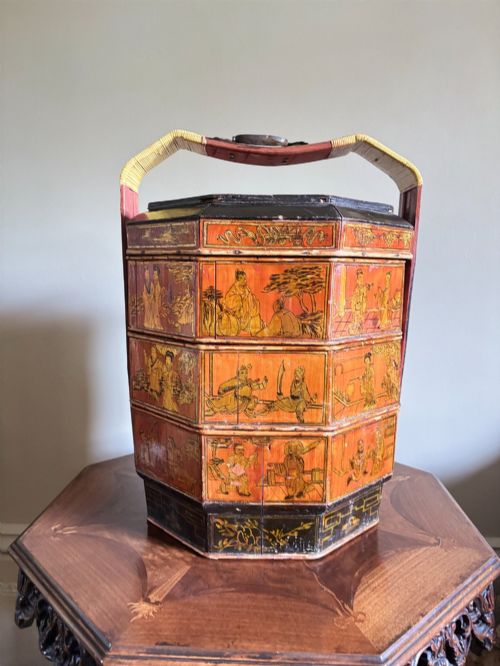
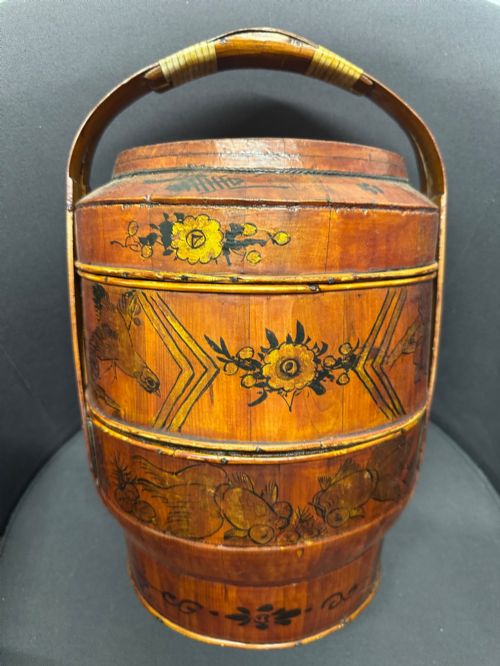
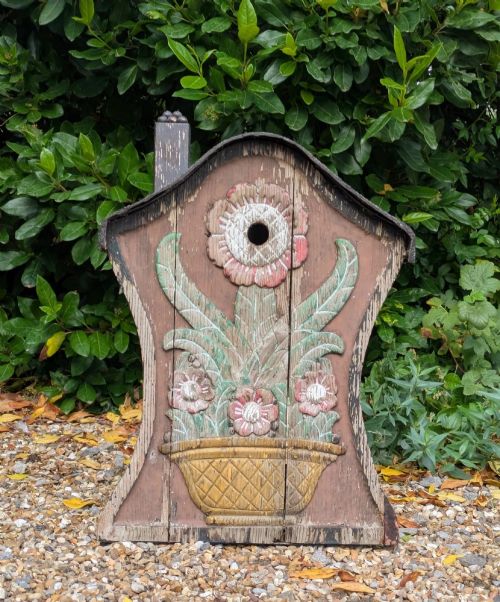
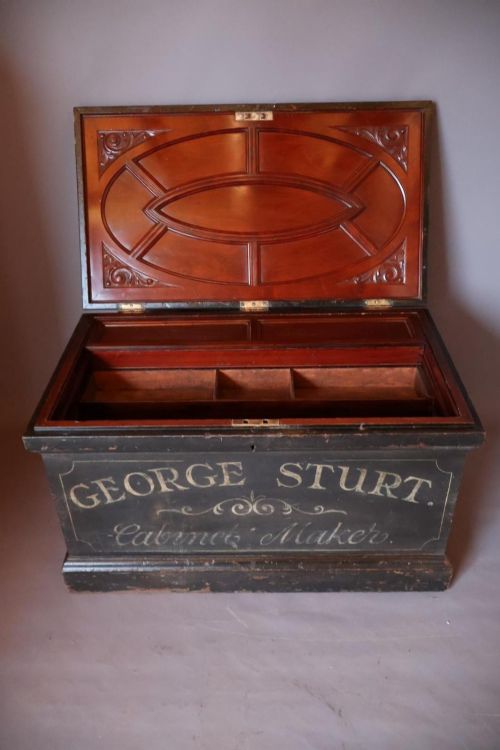
A hand painted wood box encompasses diverse utilitarian vessels ranging from eighteenth-century Swedish marriage chests and nineteenth-century document boxes to Chinese lacquer trunks and wall-mounted tramp art containers. Buyers hunting for a hand painted wood box typically encounter regional folk art pieces, Scandinavian country storage, and Victorian table boxes adorned with pigment, lacquer, or oil decoration.
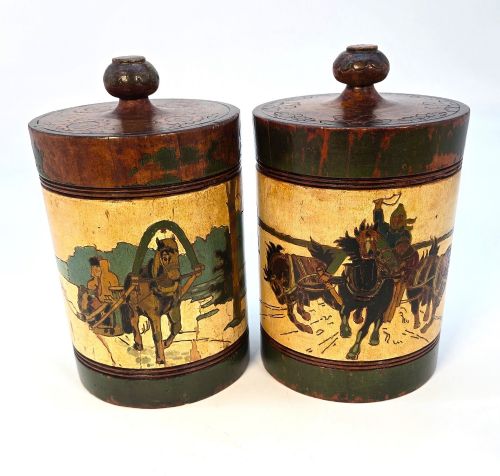
Forms span small apothecary containers, tobacco jars, and sewing tables alongside larger storage chests, strong boxes, and rice carriers. The makers behind these items span European folk traditions and Asian workshops, utilising local timbers decorated to celebrate marriages, store documents, or secure valuables.
Materials and construction
Carpenters constructed these pieces using native and exotic timbers including pine, mahogany, satinwood, bamboo, and camphor, often joining panels with dovetails or pegged joints. Iron and brass hardware such as hinges, handles, and locks provided structural security and functional reinforcement.
Surfaces received decorative treatments involving oil paint, lacquer, and inlaid details applied directly to the timber base. Folk artists and cabinet makers layered pigments by hand, sometimes sealing the decoration with protective varnishes that survive across the centuries.
Hand Painted Wood Box Retail Price Guide 2026
Typical asking prices for hand painted wood box among the pieces listed under this phrase on Sellingantiques today, from the lower quarter to the upper quarter. They describe what is for sale here now, not the wider market.
Current listings feature wood boxes spanning the eighteenth, nineteenth, and early twentieth centuries, incorporating pine, mahogany, camphor, and bamboo.
Judging quality and character
Quality rests in the preservation of the original paintwork and the structural integrity of the wooden carcass. Pieces retaining their uncleaned, untouched surface decoration command greater attention than those with later repainting or heavy structural repairs.
The sophistication of the painting, whether intricate Qajar lacquer work or robust Scandinavian folk motifs, distinguishes simpler utilitarian items from finer decorative works. Original hardware, functional locks, and well-fitted internal compartments further elevate the standing of an individual piece.
The Hand Painted Wood Box Glossary
- Cassone
- A large Italian chest or marriage chest used historically for storing household linens and valuables. These pieces often feature elaborate painted decoration or carved wooden panels.
- Tramp art
- A style of woodwork created by self-taught makers who whittled small pieces of scrap wood, often from cigar boxes, and layered them into geometric patterns. Boxes in this style display distinctive notched relief carving.
- Lacquer
- A durable finish applied in thin coats to wood objects, originating primarily from Asian decorative traditions. This technique creates a smooth, glossy surface capable of holding intricate painted scenes.
- Treen
- Small handmade wooden household objects and utility items. This category covers turned and carved containers, including tobacco jars and small boxes.
- Satinwood
- A durable hardwood featuring a lustrous, golden sheen, frequently utilised in nineteenth-century cabinet making. It provides a pale, fine-grained canvas for inlaid or painted decoration.
Hand Painted Wood Box: Frequently Asked Questions
How do I clean a painted wooden box?
Dust the surface gently with a soft, dry cloth to remove loose particles without disturbing the pigment. Avoid liquid cleaners, modern polishes, or harsh solvents that might lift original historic paint.
Consult a professional conservator if the surface lacquer or paint shows signs of flaking or instability. Preserving the dry, authentic patina remains paramount for older folk art items.
Were these boxes used for documents?
Many surviving nineteenth-century containers served specifically as deed, document, or apothecary boxes to protect important family papers and medicines. Their sturdy timber construction kept contents safe from dampness and pests in domestic environments.
Smaller examples often sat on desks or tables for daily administrative use, whilst larger marriage chests secured dowry items and textiles. The presence of internal divisions usually indicates a purpose tailored to small valuables or stationery.
How can I tell Swedish folk art boxes apart?
Swedish country pieces from the eighteenth and nineteenth centuries typically feature robust pine construction decorated with saturated floral motifs, symbolic motifs, or detailed inscriptions relating to weddings. The background paint often utilises dark or muted tones that make the brighter painted details stand out.
Comparing the brushwork technique and regional palette helps distinguish Scandinavian items from Italian cassone or Chinese lacquer trunks. Original date inscriptions and maker initials frequently appear on marriage boxes from this tradition.
Where should I place a decorative box at home?
These containers suit placement on side tables, bookshelves, or console tables where their painted surfaces provide a focal point. Larger trunks and chests function effectively as coffee tables or blanket storage at the foot of a bed.
Keep wooden boxes away from direct sunlight and heat sources to prevent the timber from warping and the paint from fading or cracking. Stable indoor humidity levels help protect both the wood and the historic decorative finishes.