


Hand Painted Punch Bowl
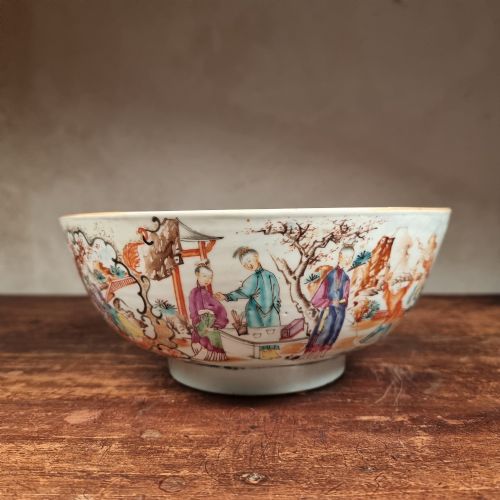
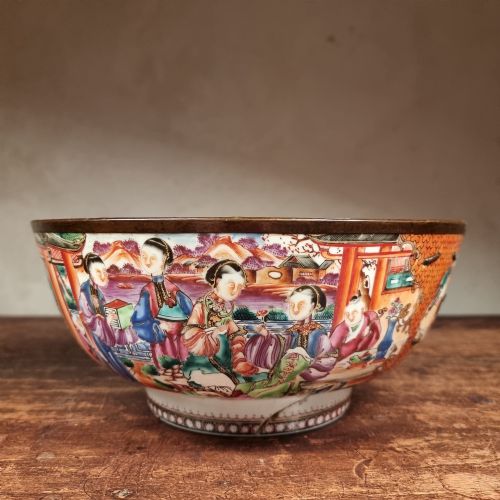
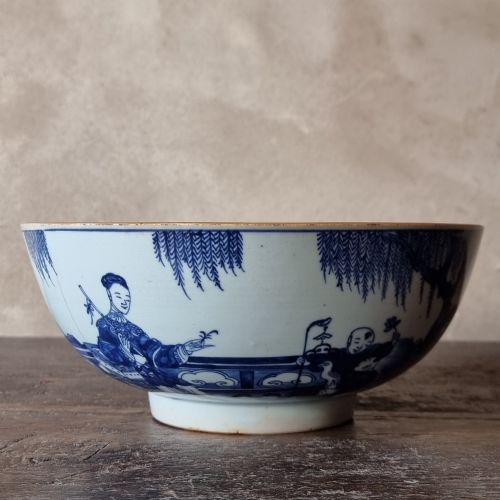
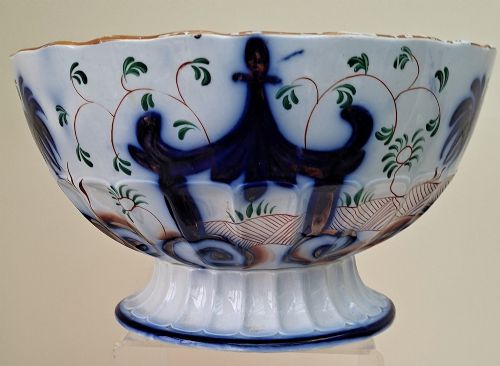
These hand painted punch bowl examples bring centuries of pigment and porcelain to the table, offering a striking centrepiece for a collection or room.
Hand Painted Punch Bowl
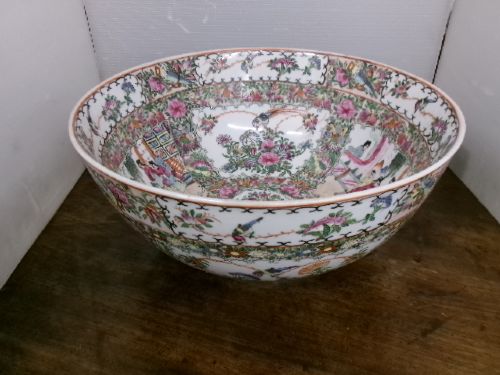
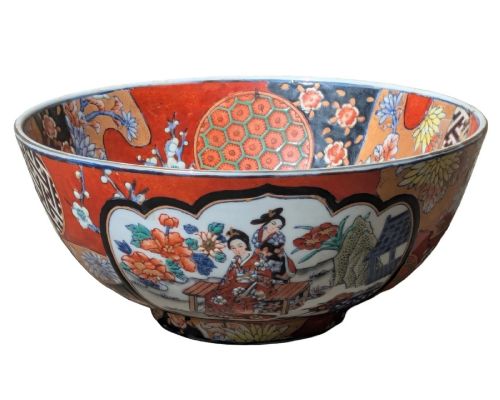
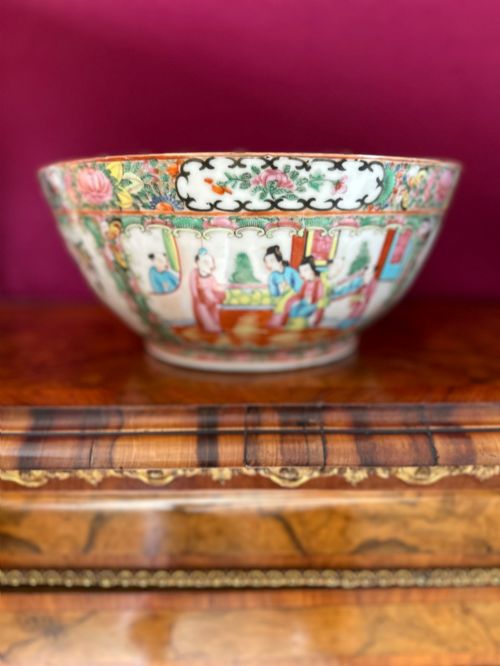
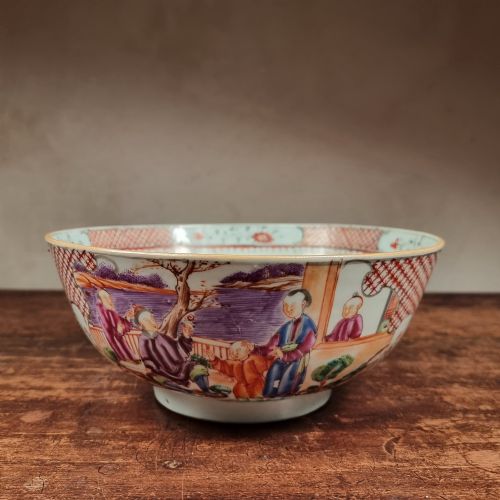
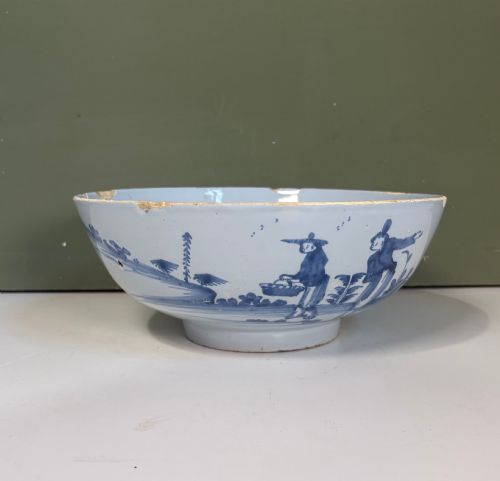
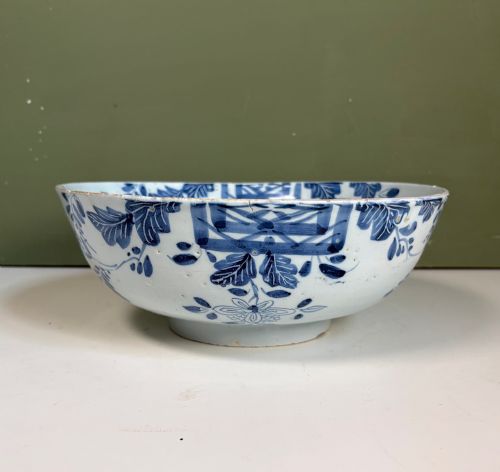
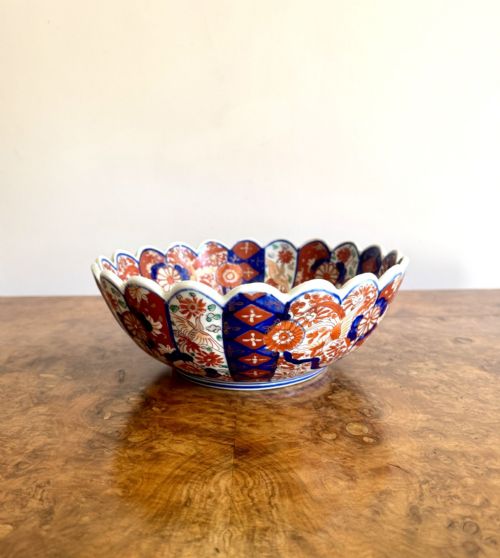
A hand painted punch bowl stands as a deep, wide vessel originally designed for mixing and serving communal drinks, though many survive primarily as decorative bowls. When searching for a hand painted punch bowl, buyers encounter varied traditions from Chinese export wares to Japanese Imari and European Delft.
The pieces on this page span several centuries, reaching back to the eighteenth century and moving through the Victorian era into the early twentieth century. Footed bowls, punch sets, and large decorative bowls frequently appear alongside traditional punch bowls in porcelain and earthenware.
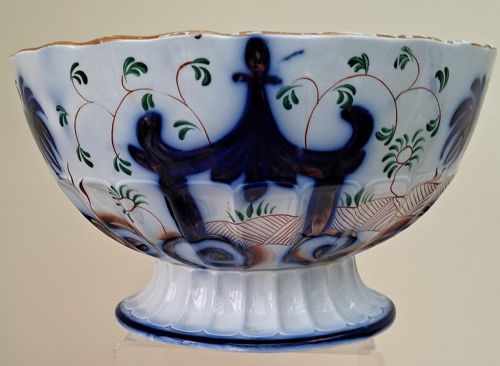
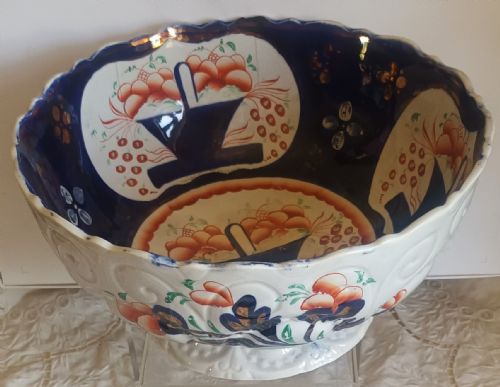
Origin points range widely across the evidence, highlighting Chinese Canton and Famille Rose pieces alongside Japanese Imari wares from the Meiji and Showa periods. European contributions include English Gaudy Welsh patterns, Delft earthenware, and continental porcelain.
Materials and Techniques
Potters relied principally on porcelain and earthenware to form the body of each bowl, shaping clay before firing at high temperatures. Cobalt glaze, enamel, and gold leaf were then applied by hand to build intricate surface patterns.
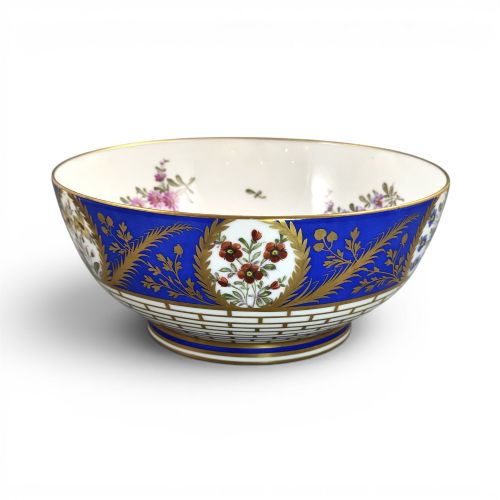
Makers utilised underglaze blue and polychrome enamels, often incorporating gilt highlights to accentuate floral motifs, figures, and architectural pagoda designs.
Chinese export styles and Japanese Imari dominate the decorative traditions found across these antique bowls.
Assessing Quality and Execution
The refinement of the brushwork largely defines the upper tier of these vessels, where precise lines and purposeful pigment application reveal the hand of a skilled decorator. Cobalt blue motifs and polychrome details display greater depth and clarity on superior examples.
The handling of the glaze and the crispness of the porcelain body also separate standard production wares from exceptional pieces. Preservation of original gilding and enamel colouration remains crucial in determining the integrity of the surface.
Ryuzan·James Giles·Chamberlain Worcester·Samson Paris
The Hand Painted Punch Bowl Glossary
- Famille Rose
- A palette of opaque rose-pink enamel introduced in Chinese ceramics during the Qing dynasty. This colouring technique allowed artists to render soft floral and figural scenes.
- Imari
- A style of Japanese export porcelain characterised by underglaze blue, iron red, and gold overglaze. The patterns typically feature rich floral and brocade designs.
- Delft
- Tin-glazed earthenware produced in the Netherlands and England, imitating imported blue and white Chinese porcelain. The opaque white glaze provides a smooth ground for painted decoration.
- Gilt
- A thin layer of gold applied to the surface of porcelain or ceramic bowls. It highlights rims, handles, and specific design elements.
- Canton
- Chinese porcelain decorated in colourful enamel palettes, often featuring panels of figures and birds surrounded by floral borders. These items formed a major part of nineteenth century export trade.
Hand Painted Punch Bowl: Frequently Asked Questions
What were hand painted punch bowls used for?
These vessels served as communal bowls for mixing and serving punch during large gatherings and social events in past centuries.
Today, they function predominantly as decorative centrepieces or display items on tables and sideboards.
How do I care for antique porcelain bowls?
Wash them gently by hand using lukewarm water and mild soap when cleaning is necessary, avoiding abrasive sponges or harsh chemicals.
Keep them away from direct sunlight and extreme temperature changes to protect the delicate enamel and gold leaf decorations.
How do I tell Japanese Imari from Chinese export?
Japanese Imari typically combines deep cobalt blue and iron red with heavy gold highlights on a dense porcelain body. Chinese export wares often utilise distinct enamel palettes like Famille Rose with different stylistic motifs.
Examining the foot ring, glaze texture, and brushwork style helps clarify the origin of each piece.