



Hand Painted Porcelain Flower
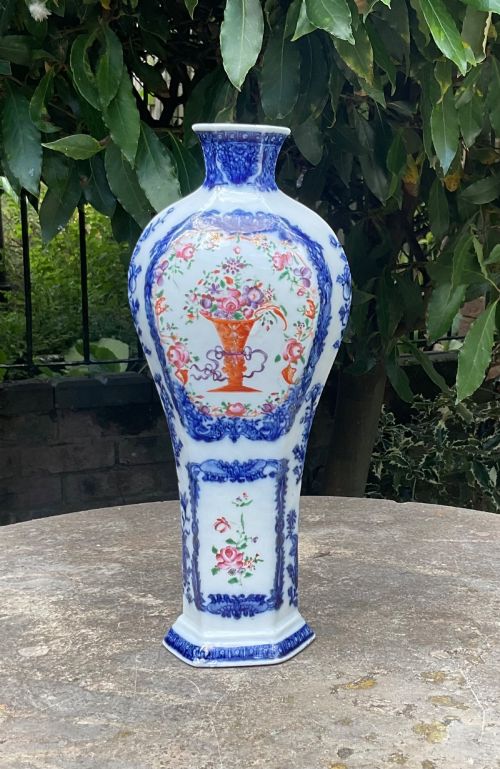
A hand painted porcelain flower brings botanical decoration to vases, jardinières and dessert plates from eighteenth to twentieth century factories.
Hand Painted Porcelain Flower
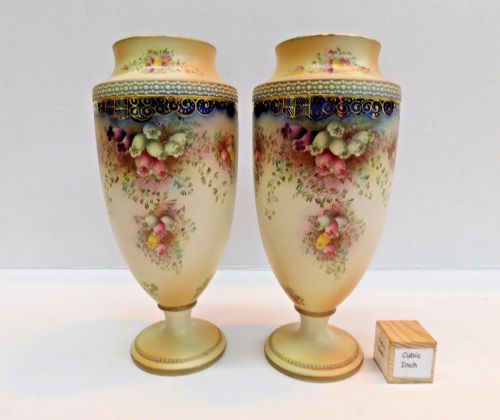
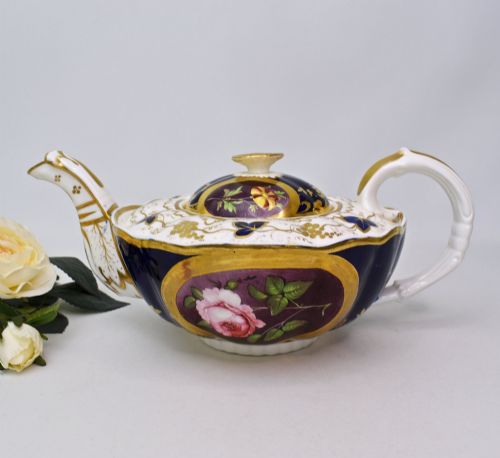
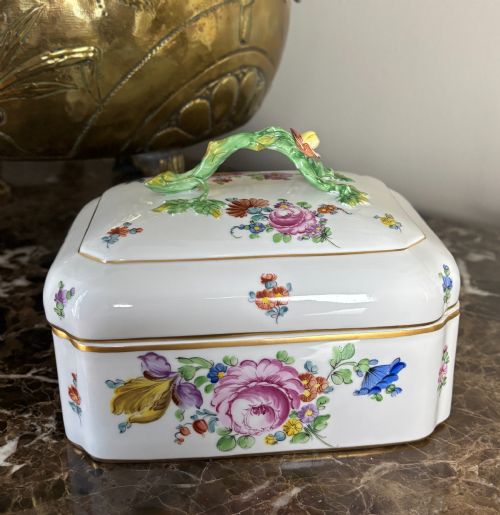
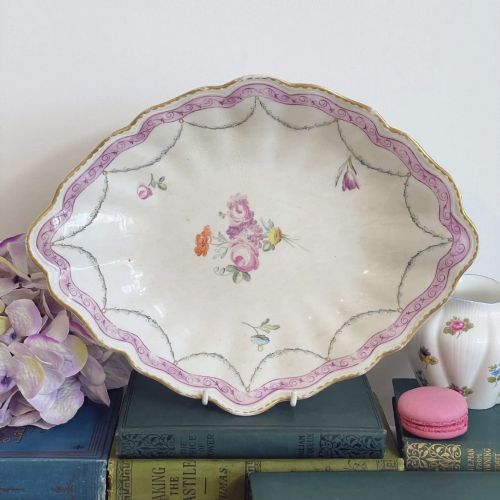
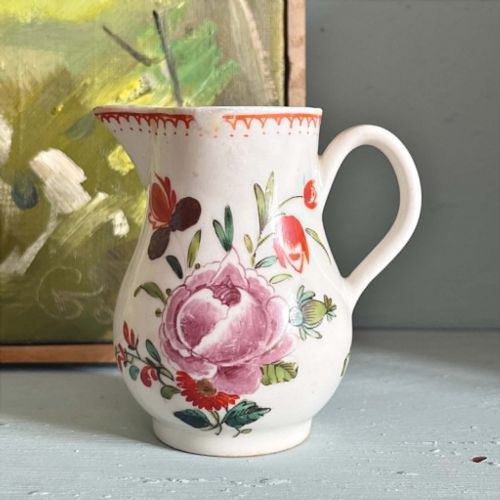
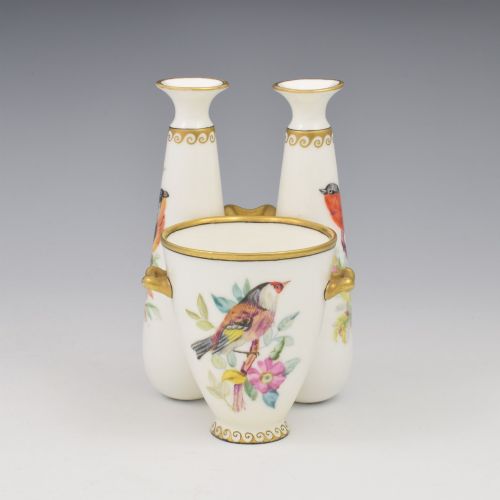
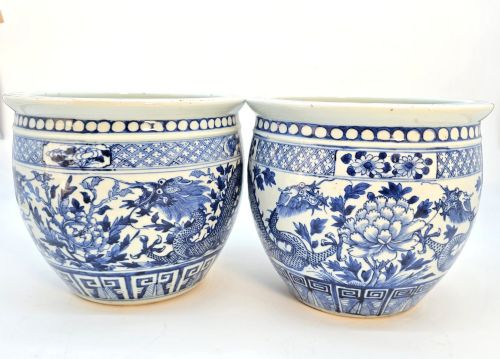
A hand painted porcelain flower appears across a wide variety of domestic vessels, from eighteenth century English creamers and serving dishes to nineteenth century spill vases and large jardinières. Buyers searching this phrase will find an assortment of utilitarian and decorative objects painted with botanical motifs.
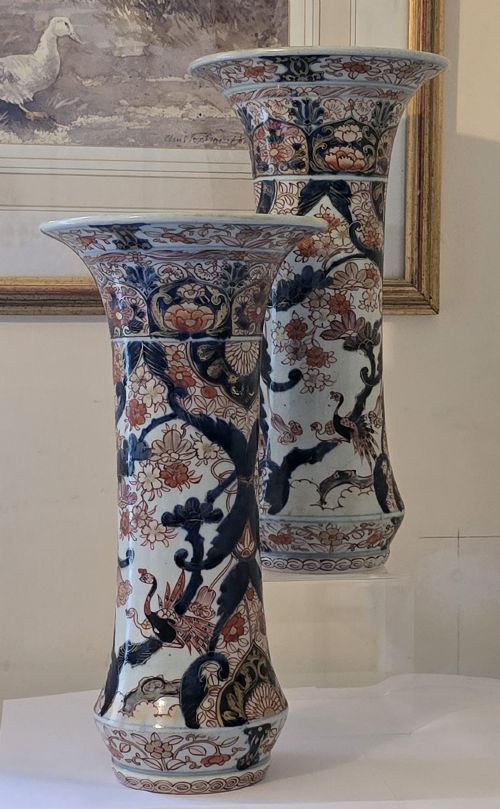
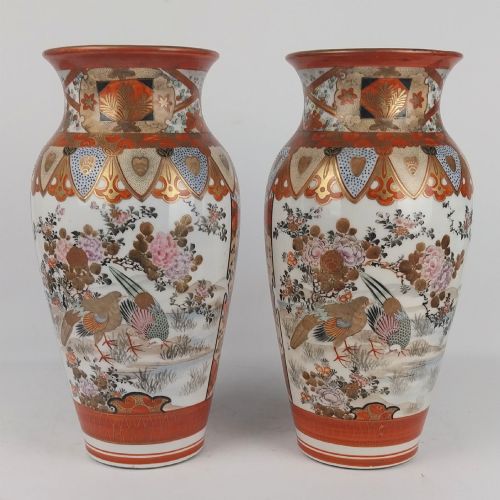
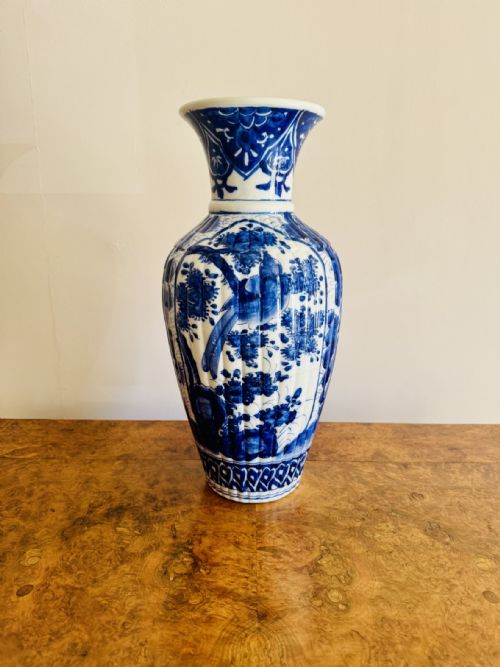
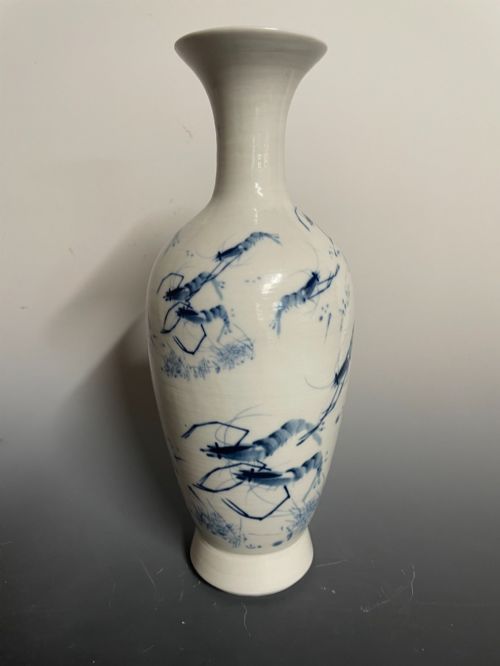
The objects span multiple global traditions, including Chinese export wares, Japanese Imari dishes, and European pieces from factories such as Derby, Worcester, and Royal Worcester. Vases, planters, and plates dominate the selection, each carrying polychrome or blue and white floral imagery.
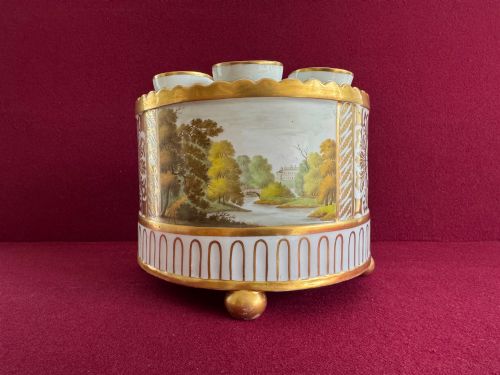
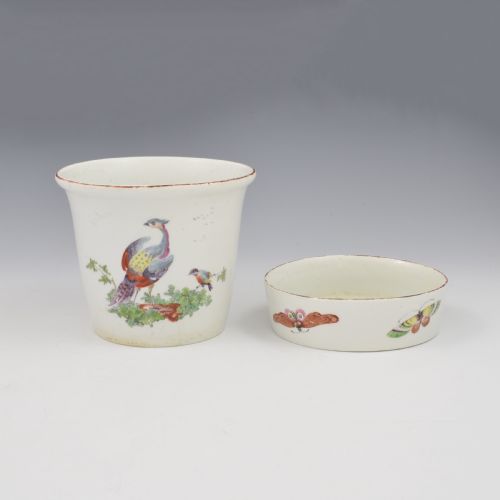
Pieces range from early soft paste porcelain items of the seventeen sixties up to later Victorian and twentieth century productions. Forms vary from simple baluster vases and dessert services to hexagonal planters with drip trays.
How they were made
Potters shaped these objects using hard paste and soft paste porcelain, earthenware, and Dutch Delft bodies, frequently finishing surfaces with transparent or cobalt glazes. Artisans applied polychrome enamels and gold leaf by hand to render floral patterns and botanical details.
Firing techniques fixed the underglaze cobalt blue or overglaze enamel colours into the ceramic body. Many items received additional gilding highlights and raised white enamel work to create texture on the painted botanical subjects.
Hand Painted Porcelain Flower Retail Price Guide 2026
Typical asking prices for hand painted porcelain flower among the pieces listed under this phrase on Sellingantiques today, from the lower quarter to the upper quarter. They describe what is for sale here now, not the wider market.
Highland cattle occasionally wander onto nineteenth century Royal Worcester porcelain, grazing peacefully beside hand painted botanical blooms.
What varies in quality
The precision and detail of the hand painting set individual pieces apart, separating standard decorative wares from master painted botanical studies. Finer items exhibit careful brushwork on petals and leaves, often attributed to named painters or established factory standards.
The quality of the porcelain body, the richness of the gilding, and the preservation of the enamel colours dictate the standing of a piece. Early soft paste bodies and well potted Chinese export or English porcelain forms command greater attention from collectors.
Grainger Lee And Co·Royal Worcester·John Bevington·Flight Barr And Barr·Doulton Burslem·Royal Doulton
The Hand Painted Porcelain Flower Glossary
- Soft-paste porcelain
- A ceramic material composed of clay and glass frit, fired at lower temperatures than hard paste porcelain. This body type is common in eighteenth century English wares.
- Jardinière
- A large decorative pot or planter designed to hold living plants or floral arrangements. These vessels often sit on matching drip trays.
- Famille rose
- A Chinese porcelain palette introduced in the eighteenth century, distinguished by an opaque pink enamel derived from colloidal gold. The style frequently incorporates birds and flowers.
- Spill vase
- A tall, narrow tubular vessel used to hold wooden spills for lighting candles and fires. They are frequently decorated with hand painted floral motifs.
- Imari
- A style of Japanese export porcelain characterised by underglaze blue, iron red, and gold. Designs often feature floral and panelled arrangements.
Hand Painted Porcelain Flower: Frequently Asked Questions
How do I identify eighteenth century porcelain?
Eighteenth century porcelain is identified by body characteristics such as soft paste translucency, underglaze blue marks, and period-specific potting techniques used by early factories like Derby and Bow.
Examination of the glaze pooling and the style of hand painted enamel decoration also helps determine the manufacturing era.
What is the difference between an Imari dish and a famille rose plate?
Imari dishes utilise a palette of underglaze blue, iron red, and gold, typically showing Japanese aesthetic influences and geometric floral panels.
Famille rose plates rely on an opaque pink enamel alongside other pastel shades to depict naturalistic flowers, birds, and botanical scenes.
How were jardinières used historically?
Jardinières served as large ornamental containers designed to house potted plants or cut flowers within principal rooms of a residence. They frequently included matching drip trays to protect furniture from water damage.
These pieces functioned as prominent interior displays in nineteenth century homes.
What distinguishes spill vases from standard vases?
Spill vases are specifically narrower and smaller in diameter, made to hold thin wooden spills used for transferring flames from a hearth to candles or pipes.
Standard vases are proportioned for displaying floral arrangements rather than holding lighting tapers.