




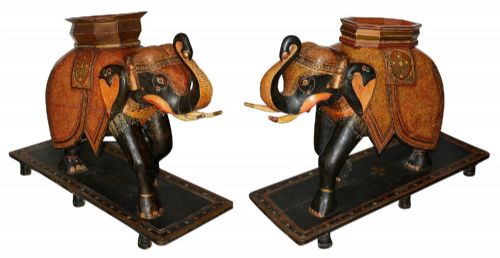


Hand Painted Plant Stand
A hand painted plant stand elevates greenery with colour and decoration, ranging from Victorian satinwood tables to Chinese porcelain garden seats.
Hand Painted Plant Stand
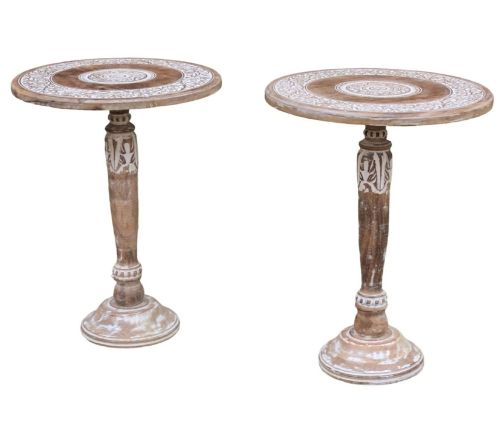
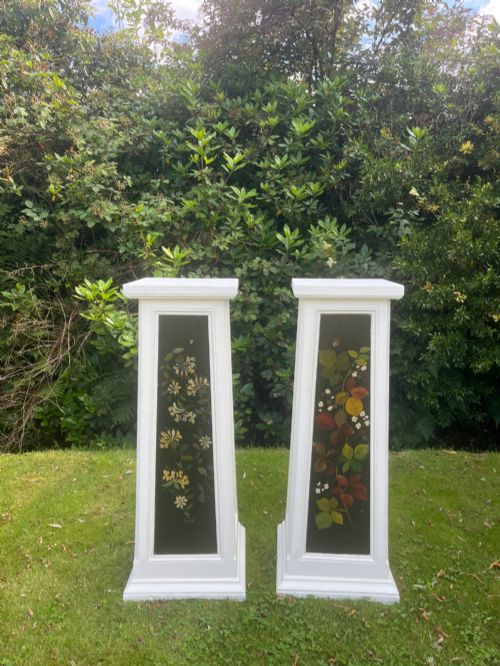
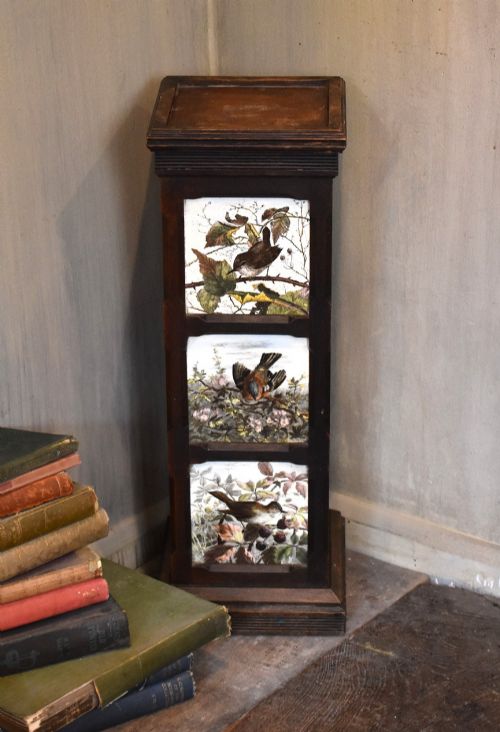
A hand painted plant stand is a decorative support for greenery, taking forms such as pedestals, plinths, side tables, etageres, and garden seats. These pieces range from nineteenth-century Victorian satinwood and bamboo items to eighteenth-century Derby porcelain and Chinese export ceramics.
The version most frequently met on this page is the pedestal table or garden seat finished with lacquer, paint, or enamel. They span multiple traditions including Chinoiserie, Aesthetic Movement, and Anglo-Indian styles.
Buyers utilise these surfaces to display planters, cachepots, and sculptures within domestic interiors or conservatories. Their origins stretch across Asian and European workshops from the eighteenth century through the 1930s.
How they were made
Makers built these stands using timber foundations such as satinwood, bamboo, and carved wood, alongside ceramic, porcelain, and marble. Artisans then applied layers of red or black lacquer, enamel, and oil paint to create decorated surfaces.
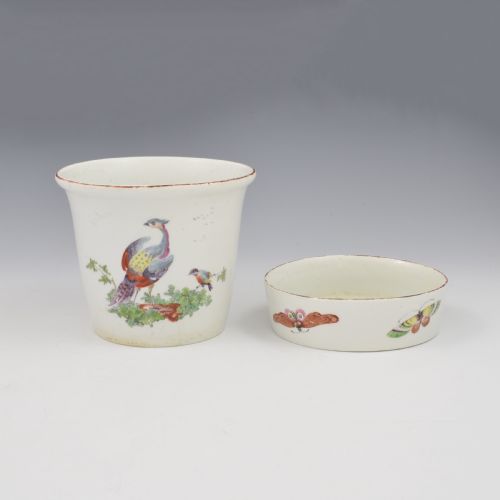
Decoration involved hand painting, gilding with gold leaf, and intricate carving, particularly evident in Kashmiri wood elements and Chinese rose medallion porcelain. Ceramic pieces like barrel garden seats utilised fired clay finished with blue and white or polychrome glazes.
Hand Painted Plant Stand Retail Price Guide 2026
Typical asking prices for hand painted plant stand among the pieces listed under this phrase on Sellingantiques today, from the lower quarter to the upper quarter. They describe what is for sale here now, not the wider market.
Styles include Chinoiserie, Aesthetic Movement, Anglo-Indian, and Asian Folk Art.
What varies in quality
Quality rests in the execution of the hand-painted ornament and the integrity of the underlying structure, whether satinwood cabinetry or heavy porcelain. Finer examples display precise brushwork, deliberate use of gold leaf, and intact lacquer layers.
The stability of pedestals, the matching quality within pairs, and the depth of decorative detail distinguish standard utility items from more ambitious artistic expressions of the Aesthetic Movement or Chinoiserie.
The Hand Painted Plant Stand Glossary
- Etagere
- A piece of furniture consisting of a set of open shelves for displaying small objects. They provide vertical tiers for plants and decorative items.
- Chinoiserie
- European decorative style in the Chinese taste, popular across furniture and porcelain. It involves whimsical interpretations of Asian motifs and landscapes.
- Cachepot
- An ornamental pot used to hold a flowerpot and catch drainage water. They sit atop tables, pedestals, and stands.
- Satinwood
- A durable hardwood with a natural golden sheen, favoured by cabinetmakers for fine painted furniture. It accepts delicate brushwork exceptionally well.
- Pedestal
- An upright architectural support or stand for a bust, vase, or plant. They elevate displays to eye level within a room.
Hand Painted Plant Stand: Frequently Asked Questions
What is a hand painted plant stand?
A hand painted plant stand is a decorative piece of furniture or ceramic designed to hold greenery, flowers, or ornaments above floor level.
They appear as pedestals, side tables, etageres, and garden seats decorated with paint, lacquer, or tile work.
How were these stands used originally?
These pieces served practical and decorative roles in Victorian and earlier interiors, supporting potted plants, lamps, and decorative figures.
In conservatories and parlours, they brought greenery indoors while adding colour through painted finishes and porcelain glazes.
How do I identify the period?
Dating relies on materials, decorative styles, and construction methods characteristic of specific eras like the Victorian period or the Aesthetic Movement.
For example, satinwood painting points to the nineteenth century, whilst specific porcelain marks or lacquer techniques indicate Asian export eras.
Can these stands support heavy plants?
Most solid wood pedestals and ceramic garden seats are robust enough to hold substantial planters and heavy cachepots securely.
Lighter bamboo etageres and delicate lamp tables suit smaller pots and lighter decorative arrangements.