



Hand Painted Mugs
Hand painted mugs bring vibrant artistry to everyday drinking vessels, offering collectors colourful ceramic pieces with historical charm.
Hand Painted Mugs
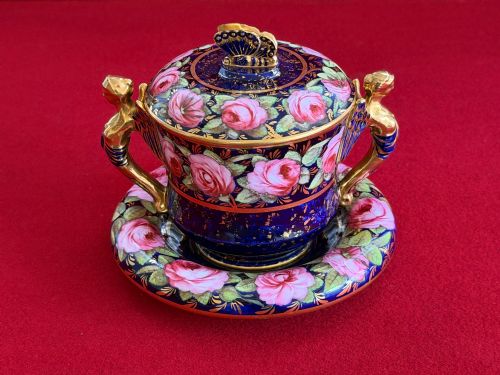
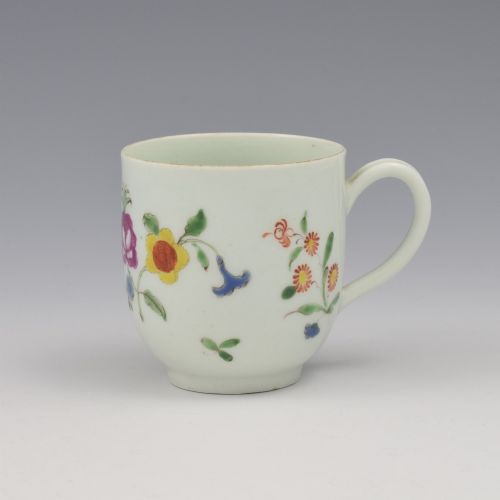
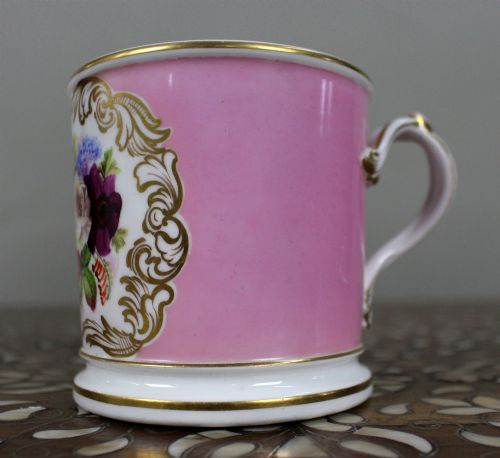
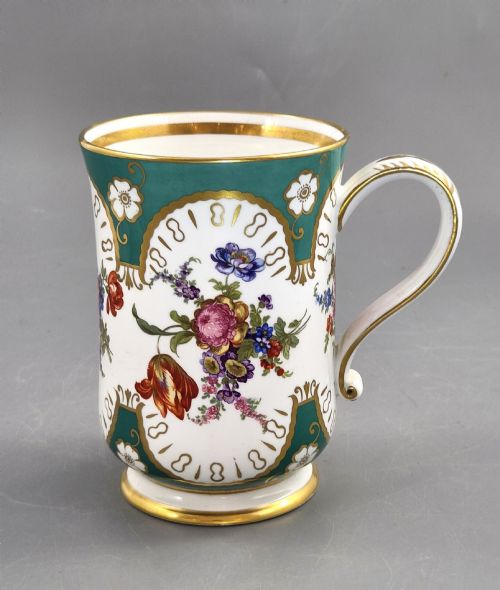
When you search for hand painted mugs, you encounter a diverse range of drinking vessels spanning the eighteenth, nineteenth, and early twentieth centuries. These pieces encompass utilitarian drinking vessels as well as decorative cabinet pieces.
You are likely to meet nineteenth-century earthenware and Victorian pieces alongside earlier soft-paste porcelain tankards. Many examples display distinct regional styles, including Gaudy Welsh pottery and Scottish commemorative wares.
Materials and construction
Potters shaped these vessels using traditional ceramic bodies including soft-paste porcelain, earthenware, pearlware, and creamware. Artisans applied liquid glazes before firing the clay in kilns to achieve a durable surface.
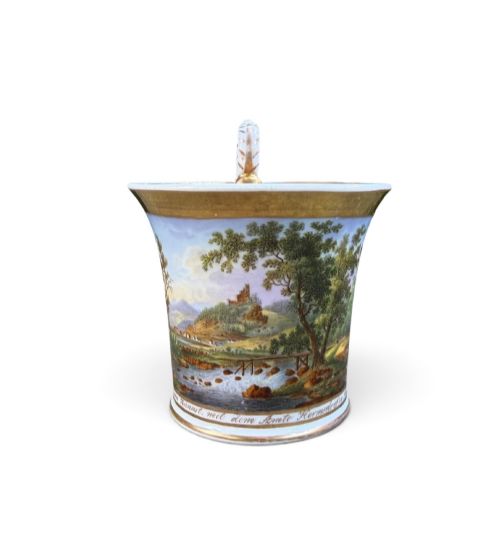
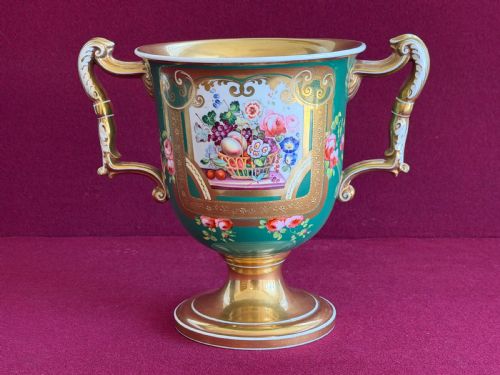
Decoration relied on hand-applied enamel pigments, often accented with gilding or gold leaf. Specific colour grounds, such as rose pompadour and wet blue, provided rich backdrops for detailed painted scenes.
Listings feature porcelain, earthenware, and creamware across the Georgian, Victorian, and Edwardian periods.
Factors of quality
The finesse of the brushwork separates standard production items from exceptional cabinet pieces. Precision in topographical or figural painting indicates superior skill by the decorator.
The clarity of the glaze and the complexity of the ceramic body also determine worth. Porcelains from established factories with intricate gilding represent a higher tier than simple utilitarian earthenware.
Richard Chaffers·Grainger Worcester·H and R Daniel·Royal Worcester·Stevenson and Hancock
The Hand Painted Mugs Glossary
- Loving cup
- A large drinking vessel with two or three handles designed for sharing among guests at celebrations. These often feature personalised inscriptions and dates.
- Tankard
- A tall, cylindrical drinking vessel with a single handle, traditionally used for beer or ale. Examples appear in porcelain, creamware, and glass.
- Soft-paste porcelain
- An artificial porcelain composition fired at lower temperatures than hard-paste porcelain. It produces a warm, slightly creamy glaze popular in eighteenth-century English factories.
- Pearlware
- A refined earthenware developed by Josiah Wedgwood featuring a faint bluish glaze that pooled in recesses. It served as a popular canvas for painted folk motifs.
- Tyg
- A earthenware drinking vessel with multiple vertical handles arranged around the body. They frequently appear in miniature or commemorative forms.
Hand Painted Mugs: Frequently Asked Questions
How do I date an antique mug?
Dating relies on identifying factory marks, stylistic periods, and material composition such as creamware or soft-paste porcelain.
Comparing potting techniques and glaze characteristics against documented examples helps narrow the decade of manufacture.
What is a frog mug?
A frog mug is a drinking vessel featuring a small ceramic frog moulded inside near the rim. The creature appears unexpectedly as the drinker finishes the beverage.
These novelty items were popular in nineteenth-century taverns for drinking games.
Can I use these mugs daily?
Most antique hand painted mugs require careful handling rather than daily service. Historic glazes and hand-applied enamels are vulnerable to modern dishwashers and sudden temperature changes.
Cabinet display or gentle occasional use preserves the painted surfaces.
What is a cabinet cup?
Cabinet cups were decorative items designed for display in drawing room glass cabinets rather than for drinking. They frequently depict detailed topographical scenes or allegorical figures.
Factories produced these luxury items to showcase their finest painting talent.