






Hand Painted Kutani
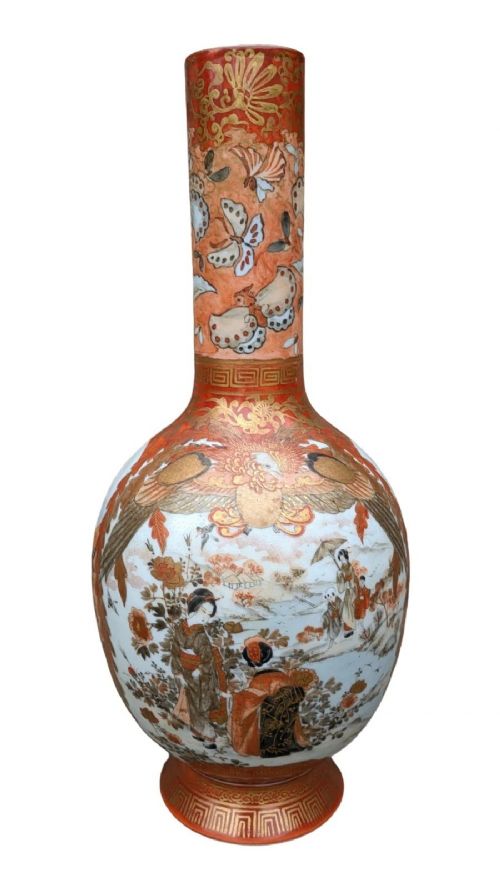
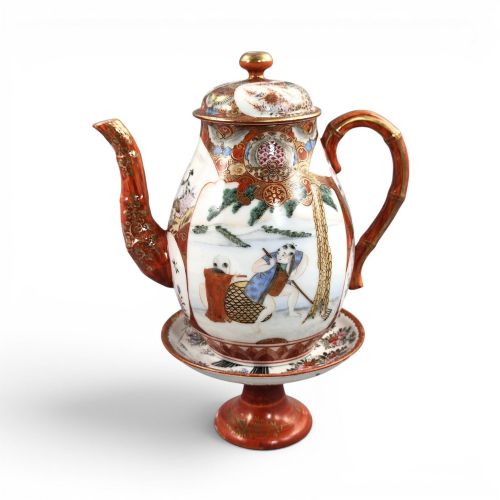
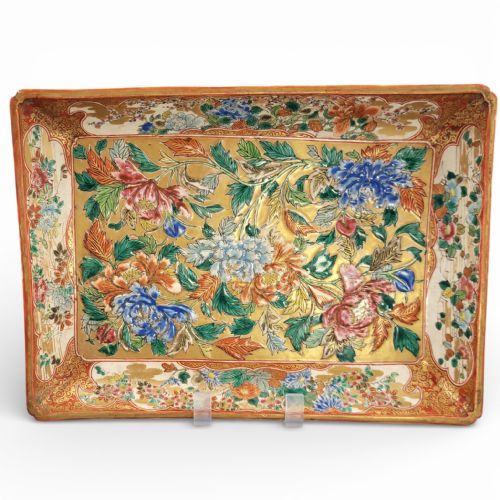
These hand painted kutani pieces bring vibrant porcelain craftsmanship into your rooms, offering traditional Japanese art from the Meiji and Taisho periods.
Hand Painted Kutani
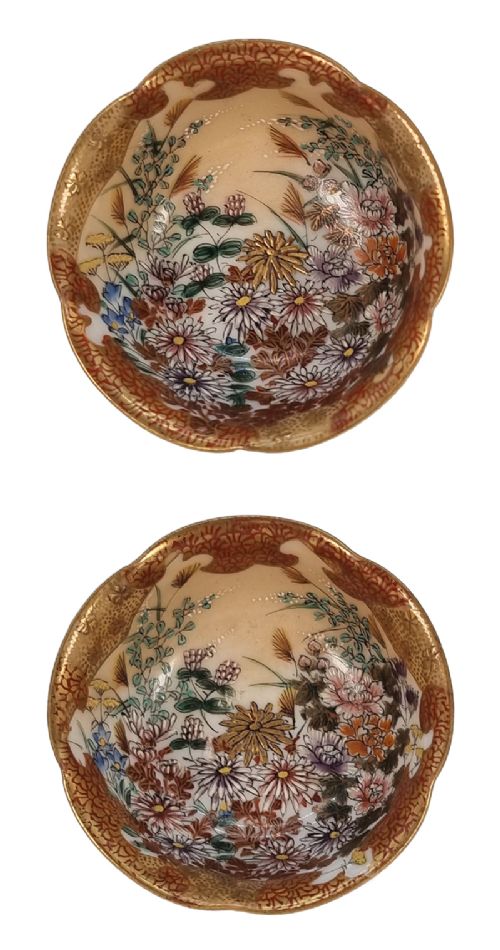
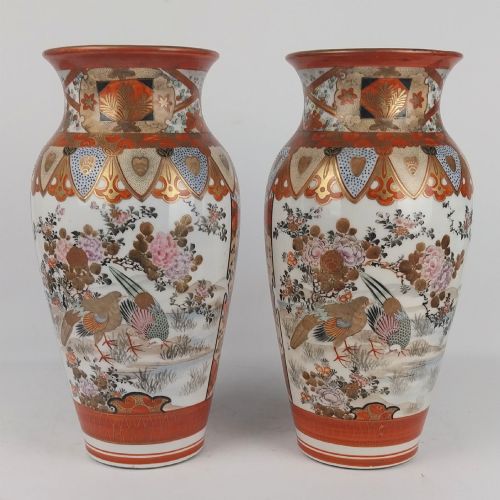
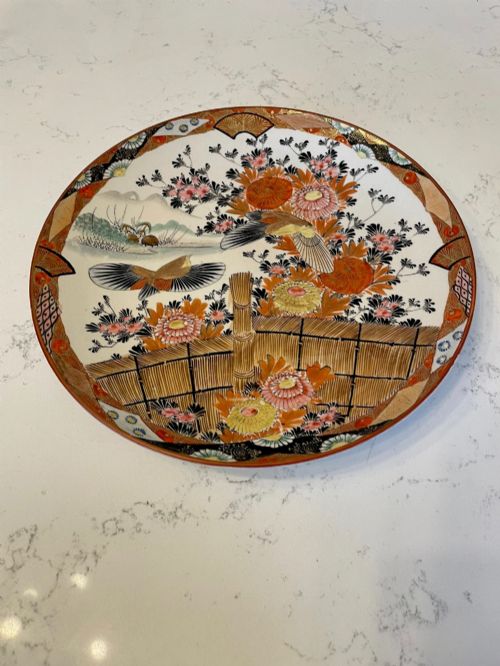
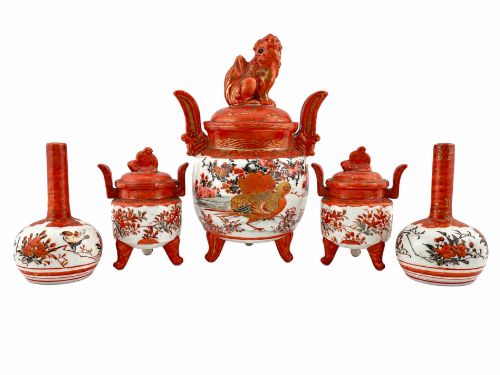
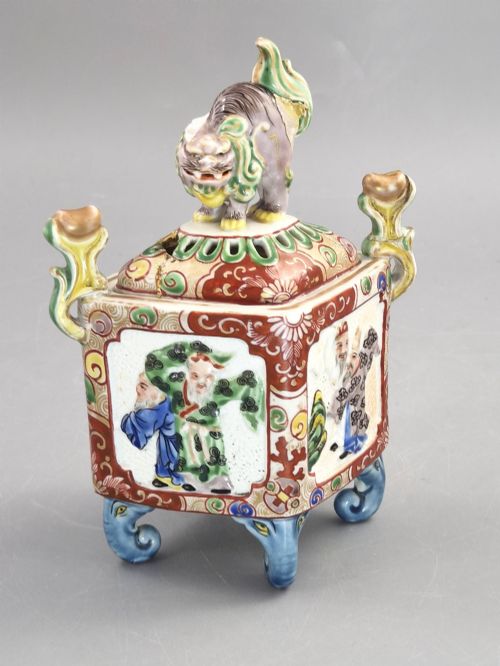
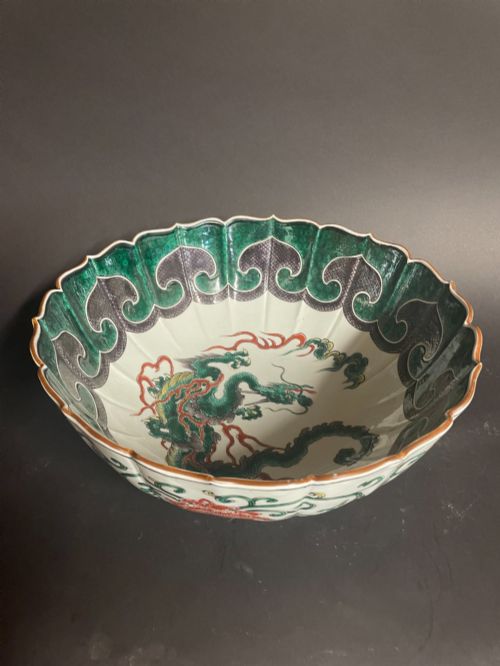
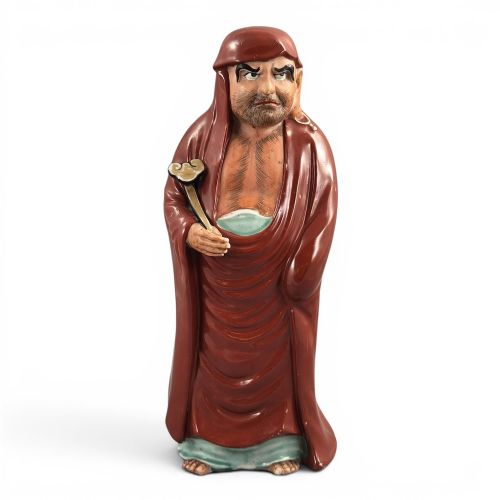
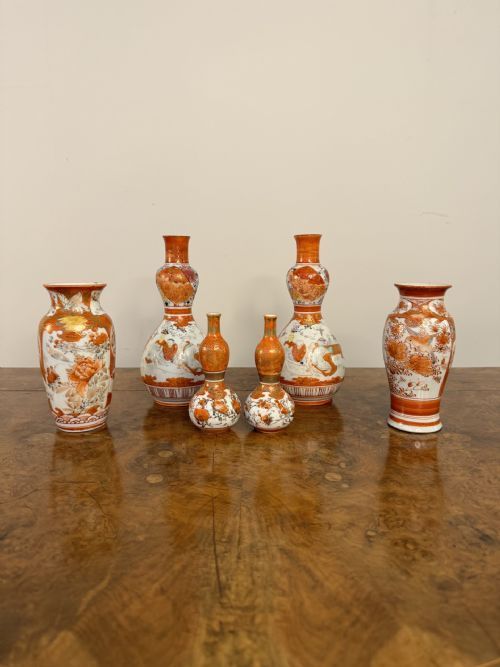
Hand painted kutani encompasses a rich variety of nineteenth and early twentieth century Japanese ceramics, spanning the Meiji and Taisho periods. When exploring hand painted kutani on this page, buyers frequently encounter vases, decorative bowls, porcelain garnitures, and incense burners alongside figurative sculptures.
The selections range from large pairs of cylindrical vases and shallow bowls to intricate figures of deities like Kannon and Jurojin. Many examples date from the nineteenth century, including specific decades such as eighteen eighty and nineteen hundred, reflecting traditional export production as well as domestic pieces.
How they were made
Artisans constructed these items primarily from porcelain, applying detailed overglaze enamel decoration by hand. Many surfaces incorporate gold leaf and gilt work to accent the intricate patterns and painted figures.
Makers occasionally combined the ceramic bodies with metal components like brass, while secondary elements utilise wood or fabric. The technique relies on precise brushwork to depict birds, flora, and traditional motifs across the porcelain surface.
Hand Painted Kutani Retail Price Guide 2026
Typical asking prices for hand painted kutani among the pieces listed under this phrase on Sellingantiques today, from the lower quarter to the upper quarter. They describe what is for sale here now, not the wider market.
Materials recorded across the inventory include porcelain, overglaze enamel, gold leaf, gilt, brass, fabric, and wood.
What varies in quality
The refinement of the hand painted details distinguishes finer pieces, particularly where artists employed delicate overglaze enamels and extensive gold leaf. Skilled execution in figurative subjects, such as deities or bijin figures, elevates the overall standard.
Scale and proportion also influence the standing of each item, with large garnitures, chargers, and well-balanced pairs representing significant examples of the tradition. Signed works or distinct stylistic influences like Shozo demonstrate higher levels of individual artistry.
Shozo
The Hand Painted Kutani Glossary
- Kutani
- A style of Japanese porcelain traditionally characterised by colourful overglaze enamel painting. These wares often feature detailed depictions of birds, flowers, and traditional figures.
- Meiji Period
- The era in Japanese history spanning from eighteen sixty-eight to nineteen twelve. Many items from this period reflect increased international trade and skilled export craftsmanship.
- Okimono
- A Japanese decorative display figure intended for placement in a home interior. Common subjects include deities, historical figures, and traditional characters.
- Garniture
- A set of matching ceramic vessels designed for ornamental display on a mantelpiece or cabinet. These collections typically comprise vases and covered containers in coordinated styles.
Hand Painted Kutani: Frequently Asked Questions
What is hand painted kutani?
Hand painted kutani refers to traditional Japanese porcelain decorated with detailed overglaze enamels and often accented with gold leaf. These ceramics originated in Japan and gained significant popularity during the nineteenth century.
Collectors encounter various forms, including vases, chargers, incense burners, and figures of deities or traditional subjects.
How do I identify Meiji period pieces?
Meiji period pieces date between eighteen sixty-eight and nineteen twelve, aligning with an era of skilled export production. Listings from this time often exhibit intricate hand painted enamel work and signature decorative styles.
Examining the overall weight, form, and painting style helps distinguish these nineteenth century works from later Taisho period items.
Were these items used for display?
Most of these ceramics served decorative purposes within traditional Japanese interiors and later international homes. Garnitures and large vases were designed as ornamental sets for mantelpieces or display cabinets.
Smaller items like incense burners and miniature bowls combined functional utility with intricate artistic presentation.
How should I care for porcelain?
Clean these delicate surfaces gently with a soft, dry cloth to remove dust without disturbing the overglaze enamels or gold leaf. Avoid harsh cleaning agents or submerging pieces in water.
Display the ceramics away from direct sunlight and areas subject to sudden temperature changes to protect the finish.