


Hand Painted Jug
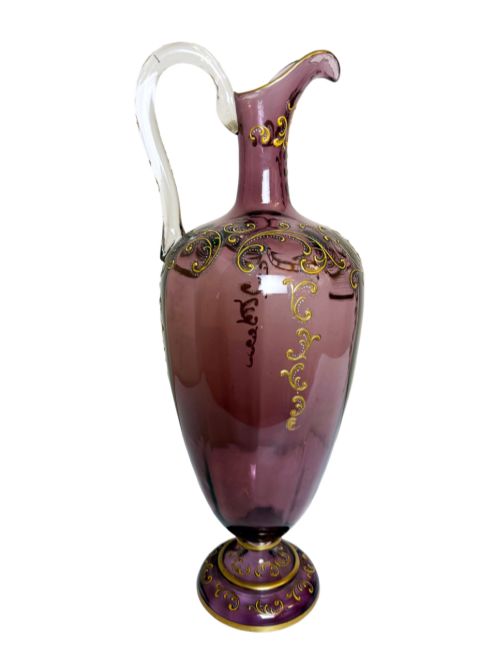
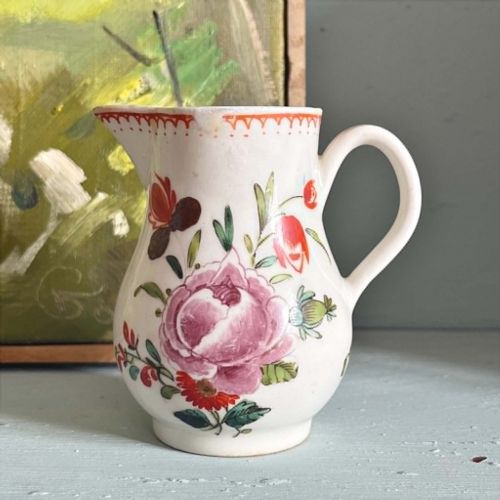
When searching for a hand painted jug, collectors encounter vessels spanning earthenware, porcelain, and tin glaze decorated with pigments and metallic highlights.
Hand Painted Jug
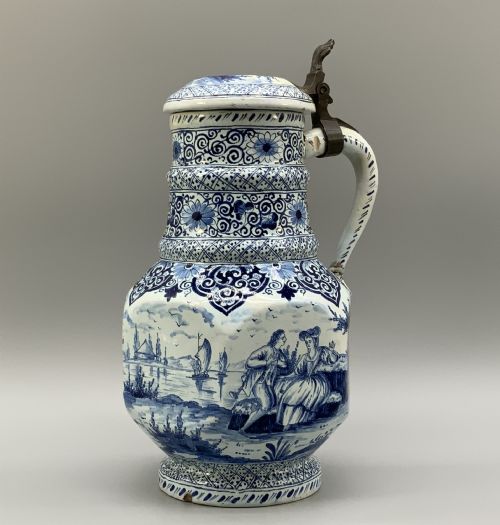
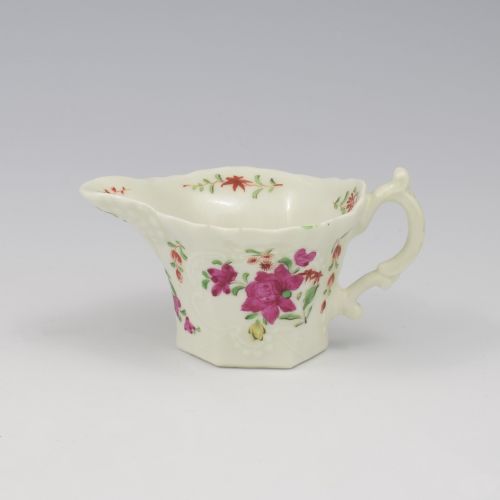
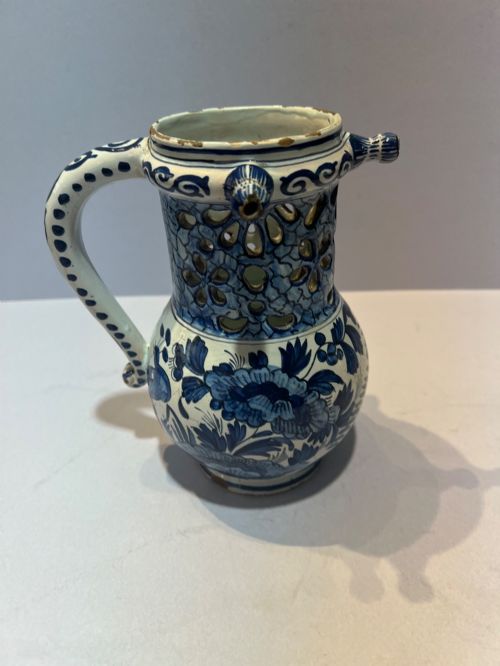
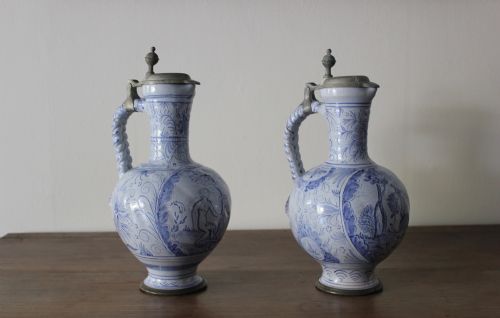
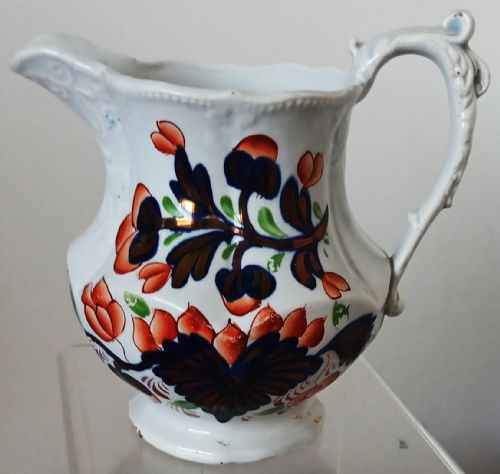
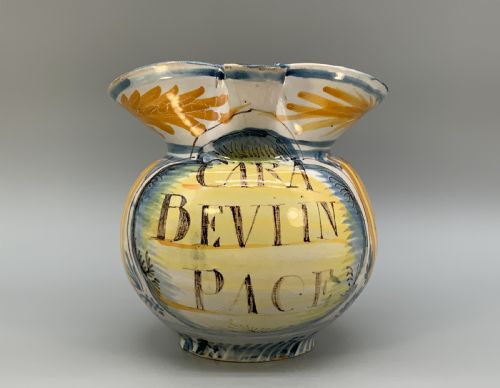
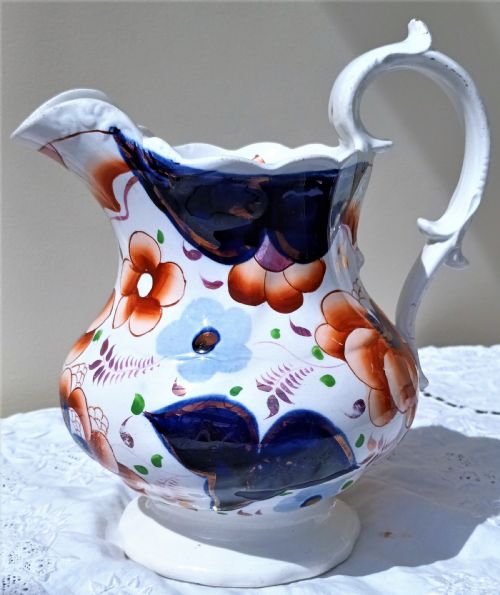
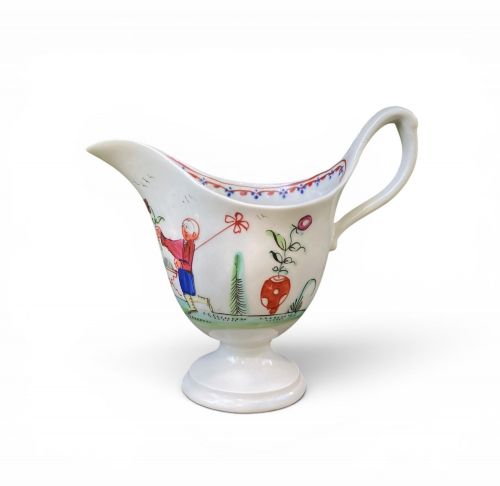
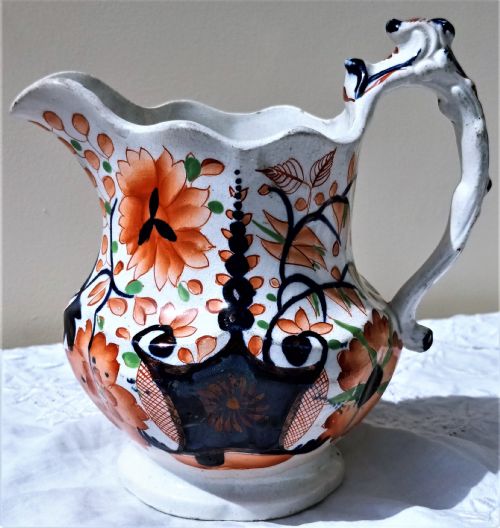
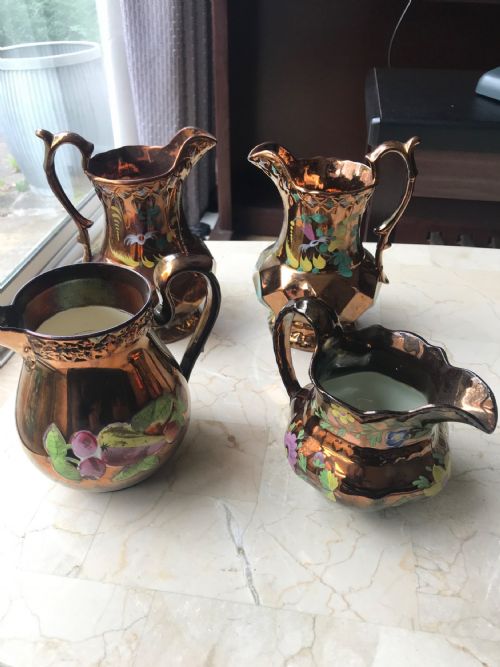
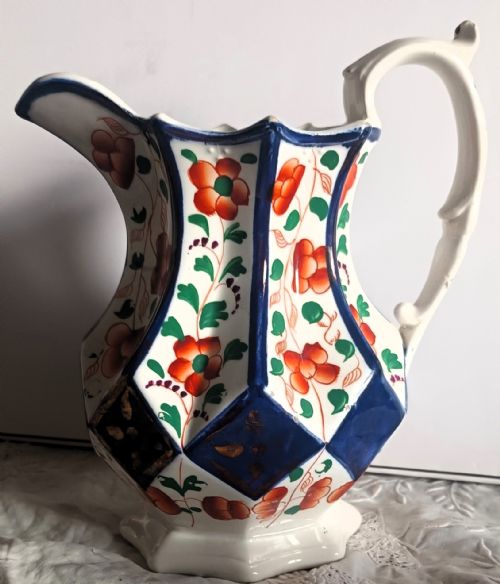
A hand painted jug brings together centuries of ceramic and glass production, ranging from small creamers to large water pitchers and wash set ewers. The selection on this page draws heavily on 18th-century porcelain and 19th-century earthenware, encompassing Staffordshire pottery, Gaudy Welsh patterns, and Dutch Delftware.
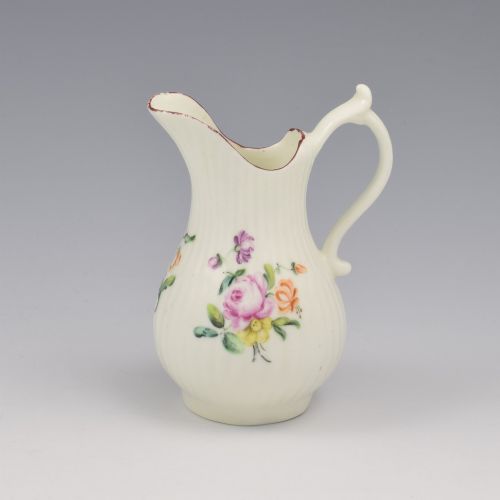
Forms vary from utilitarian vessels designed for milk and water to decorative display pieces and puzzle jugs. Pieces originate from English, continental, and oriental workshops, reflecting diverse regional styles from Georgian elegance to Victorian exuberance.
How they were made
Makers utilised body materials such as soft-paste porcelain, ironstone, earthenware, and blown glass, often shaping them through moulding or throwing on a wheel. Surface decoration relied on brushwork applied directly to the biscuit or over the glaze, frequently incorporating tin-glaze methods, enamel colours, and gold leaf applications.
Firing techniques determined the vitrification of the ceramic body, while subsequent kiln runs fixed hand-painted polychrome pigments and metallic lustre details. Specialist elements like pewter lids on Dutch Delft vessels or moulded handles required separate assembly before final glazing.
Some historical vessels required drinkers to solve secret fluid mechanics just to take a sip of ale.
What varies in quality
The standard of painting sets individual vessels apart, distinguishing hurried workshop output from meticulous botanical or armorial artistry executed by skilled decorators. Crispness in moulded details, such as cabbage leaf reliefs or gadrooned borders, indicates the sharpness of the original ceramic moulds.
The choice of body material and the success of the glaze maturation dictate longevity and tactile refinement. Finer porcelains and well-controlled tin glazes present smoother surfaces and more vibrant pigment adhesion than coarser utilitarian earthenwares.
Royal Worcester·New Hall·Masons·Walker and Hall·Myott Son And Co·Crown Devon·Crown Ducal·Wade Heath
The Hand Painted Jug Glossary
- Tin glaze
- An opaque white glaze containing tin oxide, used extensively on Delftware and majolica to provide a smooth ground for painted decoration.
- Gaudy Welsh
- A style of colourful, hand-painted pottery featuring cobalt blue, iron-red, and copper lustre accents, popular during the 19th century.
- Blush ivory
- A matte cream-coloured porcelain ground developed by Royal Worcester, typically decorated with soft floral hand painting and gilt highlights.
- Sparrowbeak
- A small ceramic cream jug with a distinctively pinched spout resembling a bird's beak, common in 18th-century porcelain.
- Polychrome
- Decoration employing multiple distinct colours, applied by hand to ceramic surfaces before or after the glaze firing.
Hand Painted Jug: Frequently Asked Questions
How do I date an antique jug?
Dating relies on combining stylistic evidence with material characteristics, such as body composition, glaze texture, and factory marks.
Examining the handle attachment, foot ring, and hand-painted palette often reveals the manufacturing period when official stamps are absent.
Are these jugs safe for daily use?
While many historical jugs were made for practical dairy or table service, older pieces often feature fragile glazes and minor degradation.
Delicate porcelain creamers and tin-glazed earthenware are best reserved for display rather than modern food service.
How do I distinguish porcelain from earthenware?
Porcelain exhibits a dense, vitrified body that often appears translucent when held to a strong light, accompanied by a clean ring when tapped.
Earthenware is more porous, opaque, and fired at lower temperatures, resulting in a heavier and softer ceramic structure.