




Hand Painted Glazed Basin
These hand painted glazed basin examples bring colourful international pottery traditions and domestic earthenware into daily display.
Hand Painted Glazed Basin
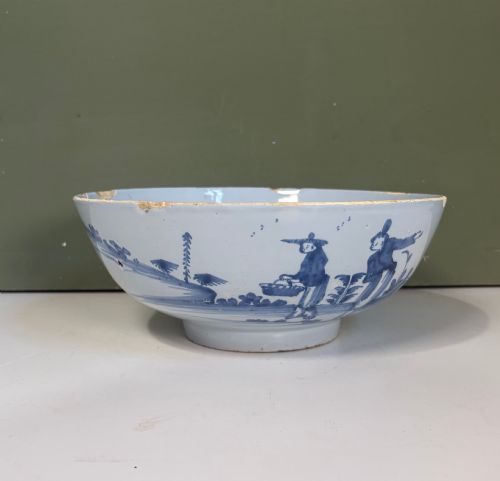
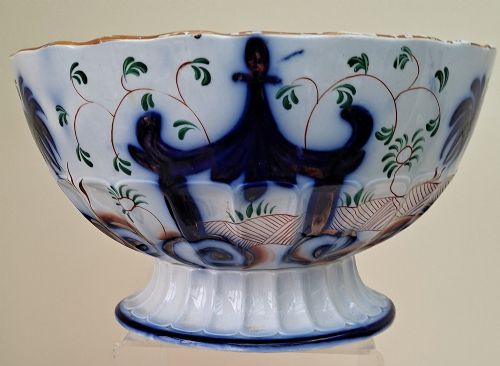
A hand painted glazed basin search reveals a diverse mix of decorative bowls, footed bowls and large punch bowls spanning the eighteenth and nineteenth centuries. Buyers encounter European tin glaze wares alongside Asian porcelain and earthenware pieces.
The nineteenth century provides the majority of domestic earthenware and spongeware vessels, while eighteenth century examples lean towards Dutch and English delft pottery traditions. Oriental styles include Cantonese Famille Rose and Japanese Satsuma and Imari wares.
Forms range from simple pottery bowls to footed bowls and deep punch vessels intended for service or display. Each object displays hand painted surface decoration beneath or over a vitreous glaze.
Materials and construction methods
Potters shaped these vessels from earthenware and porcelain bodies before applying tin glaze, cobalt glaze or standard clear glaze surfaces. Artisans then executed the hand painted motifs using mineral pigments across various international workshops.
Certain pieces incorporate additional decorative details such as gold leaf applied over the glazed and fired surface. Firing techniques varied from regional European kilns to advanced East Asian porcelain furnaces.
Hand Painted Glazed Basin Retail Price Guide 2026
Typical asking prices for hand painted glazed basin among the pieces listed under this phrase on Sellingantiques today, from the lower quarter to the upper quarter. They describe what is for sale here now, not the wider market.
Nineteenth-century kitchen shelves once relied on spongeware bowls where pigment was boldly applied using a humble household sponge.
Judging quality and execution
The distinction between ordinary utility pottery and finer collector pieces lies in the precision and complexity of the hand painted brushwork. Superior examples display confident, detailed pigment application that remains crisp beneath the glaze.
The purity and consistency of the glaze layer also dictate the visual merit of the piece, with smooth, even coverage showing greater technical accomplishment. Body weight, potting symmetry and the sophistication of the pattern all contribute to overall standing.
Mann & Co·Ryuzan
The Hand Painted Glazed Basin Glossary
- Tin glaze
- An opaque white glaze made by adding tin oxide to lead glaze, providing a smooth surface for painted decoration. It is characteristic of delftware and faience.
- Spongeware
- Pottery decorated by dabbing pigment onto the clay body using a sponge or similar porous material to create mottled patterns. This technique was popular in nineteenth-century country potteries.
- Imari
- A style of Japanese export porcelain featuring a distinct palette of underglaze blue, iron red and gold. Production centred on the town of Arita.
- Famille Rose
- A major palette of Chinese ceramic enamels introduced during the Qing dynasty, dominated by opaque pink or rose colours. The style adorned export wares shipped globally.
Hand Painted Glazed Basin: Frequently Asked Questions
What periods do these bowls come from?
The available pieces originate primarily from the eighteenth and nineteenth centuries, including items dated around nineteen hundred.
Production spans European provincial potteries and East Asian imperial and export kilns.
How do I care for antique glazed bowls?
These decorative vessels require gentle handling and dry dusting to protect fragile surface glazes and hand painted pigments.
Avoid placing them in dishwashers or exposing them to harsh chemical cleaning agents.
What is the difference between delft and faience?
Delft generally refers to tin-glazed earthenware produced in the Netherlands and England, particularly during the seventeenth and eighteenth centuries.
Faience is the broader continental European term for tin-glazed pottery, encompassing French and other regional workshops.
Are these bowls intended for food use?
Most antique bowls featuring delicate hand painting and historic glazes function best as decorative display pieces rather than active tableware.
Historic glazes may contain materials unsuitable for modern culinary use.