





Hand Painted Frame Mirror
These hand painted frame mirror pieces bring vibrant character to any room, offering traditional artistry and reflective function.
Hand Painted Frame Mirror
A hand painted frame mirror combines decorative surface painting with functional glass, appearing across various historical periods from the nineteenth century into the twentieth century. These objects serve primarily as wall mirrors, overmantel mirrors, or form part of larger bedroom suites.
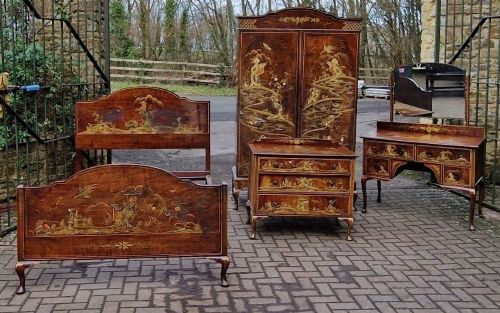
The most common examples on this page reflect distinct stylistic traditions such as Chinoiserie, Italian Rococo, and the Aesthetic Movement. Walnut, wood, and lacquer serve as primary frames for delicate pigment and painted silk details.
Originating from diverse traditions including Kashmiri, Chinese, and European workshops, each piece displays unique regional motifs. Buyers encounter oval wall mirrors, pier glass, and rectangular overmantel formats among the current selections.
How they were made
Craftsmen built structural frames using timber such as walnut and general wood, applying foundational layers of black lacquer or gilding. Surface decoration often involved direct pigment application, reverse painting, or etched glass techniques.
Specialised examples incorporate inset hand-painted foliage panels or delicate painted silk secured within the wooden structure. Mirror glass was then fitted to complete the reflective surface, combining woodwork with fine decorative arts.
Hand Painted Frame Mirror Retail Price Guide 2026
Typical asking prices for hand painted frame mirror among the pieces listed under this phrase on Sellingantiques today, from the lower quarter to the upper quarter. They describe what is for sale here now, not the wider market.
Current listings feature walnut, lacquer, paint, and silk materials across Chinoiserie, Italian Rococo, and Aesthetic Movement styles.
What varies in quality
The sophistication of the painted surface work separates standard examples from exceptional ones. Finer pieces demonstrate intricate brushwork, detailed floral or figurative motifs, and well-preserved lacquer or gilding.
Structural integrity of the wooden or walnut frame also dictates worth, alongside the clarity and preservation of the original mirror glass and reverse painted elements. Cohesive stylistic execution across Chinoiserie or Italian Rococo designs indicates superior workshop production.
The Hand Painted Frame Mirror Glossary
- Pier glass
- A tall mirror designed to hang on the pier, the section of wall between two windows. These tall glasses often feature ornate painted frames.
- Chinoiserie
- European theatrical interpretation of Chinese and East Asian artistic traditions. This style frequently employs black lacquer backgrounds and gilded motifs.
- Overmantel mirror
- A wide looking-glass specifically proportioned to hang above a fireplace mantelpiece. They often anchor the decorative scheme of a room.
- Reverse painted
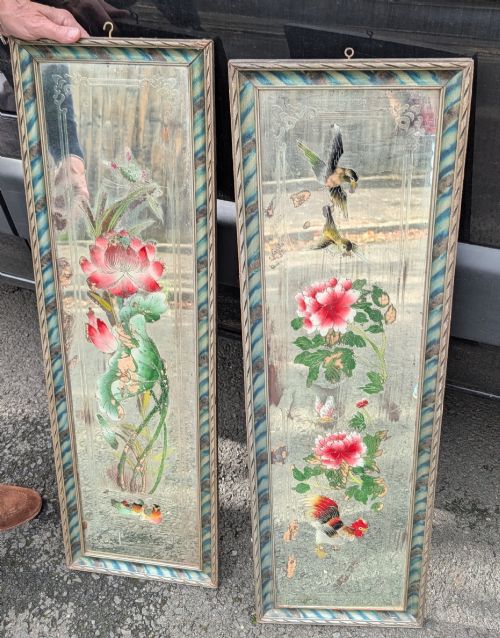
- A technique where artists apply pigment directly to the back of the glass panel so the image is viewed through the transparent front. This method protects the paint from dust and damage.
- Aesthetic Movement
- A late nineteenth-century design ethos prioritising visual beauty over narrative meaning. Pieces from this movement emphasise artistic decoration.
Hand Painted Frame Mirror: Frequently Asked Questions
Where should I hang a hand painted frame mirror?
These mirrors suit placement above mantelpieces, in hallways, or as central focal points in bedrooms. Their decorative frames require wall space that allows the painted details to be fully appreciated.
Ensure the hanging fixings match the weight of the wooden or lacquered frame. Positioning them opposite windows also helps maximise natural light within smaller spaces.
How do I identify a Victorian mirror?
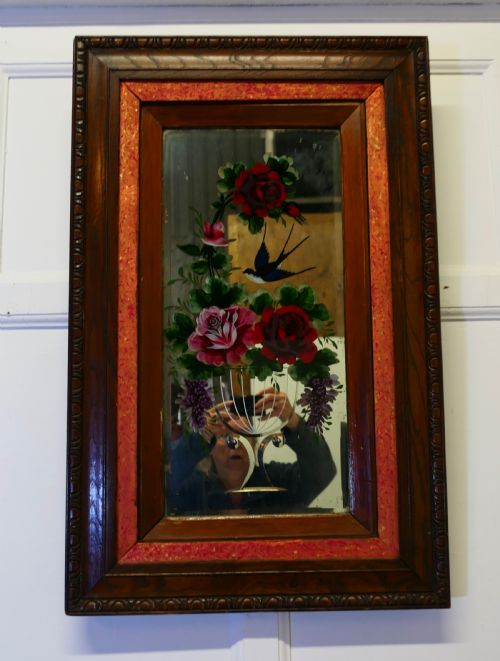
Victorian pieces often incorporate specific stylistic markers such as etched glass, rose motifs, or heavy walnut construction. Examining the backboards and framing techniques helps confirm nineteenth-century origin.
Comparison with documented pieces from the period further clarifies dating, as Victorian makers frequently utilised distinct floral and classical revival motifs.
What is Kashmiri lacquerwork?
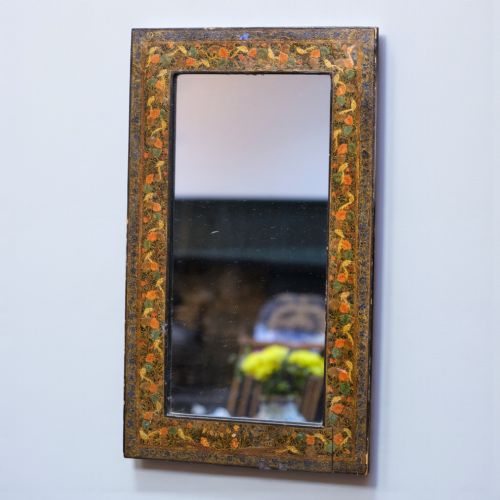
Kashmiri decorative items utilise traditional woodworking and surface painting techniques originating from the Kashmir region. These pieces often feature intricate floral patterns applied to wooden frames.
The distinct regional palette and detailed pigment work separate these items from European styles like Italian Rococo or English Chinoiserie.
How do I clean a painted mirror frame?
Maintenance requires gentle dusting with a soft, dry cloth to protect fragile pigments and lacquer surfaces. Avoid chemical sprays or abrasive cleaners that could damage the antique paintwork.
Glass cleaner should be applied sparingly to the mirror plate itself, taking care not to let moisture seep beneath the painted frame edges.